Guide
Guide to List Crowlers: Fresh Craft Beer Packaging Solutions


Introduction
The craft beverage industry has undergone a massive transformation in how products are delivered from the tap to the consumer’s home. Among the most significant innovations in recent years is the rise of the large-format, seamed aluminum can. For many enthusiasts and business owners, the need to list crowlers as a primary option for takeout has become a standard practice. Unlike traditional glass containers, these 32-ounce vessels offer a lightweight, shatterproof, and light-blocking alternative that preserves the integrity of delicate hop profiles and carbonation levels.
As we navigate the current landscape of 2026, the demand for portable, high-quality draft beverages continues to grow. These cans provide a bridge between the brewery experience and the comfort of home, allowing fans to enjoy limited-release stouts or seasonal IPAs without the risk of oxidation often associated with older methods. This guide explores the technical aspects of these containers, the machinery required to seal them, and the strategic advantages they offer to retailers and consumers alike. By understanding the nuances of this packaging, stakeholders can ensure that every pour remains as fresh as the moment it left the keg.
The Mechanics of Modern Can Sealing
The process of preparing a 32-ounce aluminum can for transport involves a specialized piece of equipment known as a tabletop seamer. This machine is designed to create a hermetic seal by mechanically folding the lid onto the body of the can. This double-seam technology is the same used in large-scale industrial canning lines but scaled down for use behind a bar or in a small taproom. The precision of this seal is paramount; if the seam is too loose, the beverage will lose carbonation, and if it is too tight, the structural integrity of the can might be compromised.
To ensure a perfect seal, operators must regularly calibrate their equipment using micrometers to measure the thickness and height of the seam. This attention to detail ensures that the product remains shelf-stable for a short period, typically up to a few weeks. The simplicity of the tabletop unit allows staff to fill and seal a container in under a minute, making it an ideal solution for high-volume periods. As the technology has matured, these machines have become more affordable and durable, allowing even the smallest local establishments to offer professional-grade packaging to their patrons.
Preserving Flavor and Carbonation Levels
One of the primary enemies of craft beer is oxygen. When a beverage is exposed to air, the organic compounds begin to break down, resulting in “off” flavors that can range from cardboard-like tastes to a loss of aromatic intensity. The beauty of the aluminum format is its ability to be purged with carbon dioxide before filling. By displacing the oxygen in the can with an inert gas, the shelf life of the liquid is significantly extended. This process is essential for maintaining the “bright” notes found in modern pale ales and lagers.
Furthermore, aluminum is naturally opaque, providing a 100% barrier against ultraviolet light. Light exposure is the cause of “skunking,” a chemical reaction that occurs in clear or green glass bottles when hops are exposed to specific wavelengths. Because these large cans are completely light-tight, the beverage inside remains protected even if it is stored in a brightly lit refrigerator or taken outdoors. This combination of oxygen displacement and light protection makes the aluminum can a superior vessel for preserving the brewer’s original intent.
Sustainability and Environmental Impact
In the modern era, the environmental footprint of packaging is a major concern for both businesses and consumers. Aluminum is one of the most sustainable materials used in the beverage industry because it is infinitely recyclable. Unlike glass, which can degrade in quality over multiple recycling cycles, aluminum retains its properties forever. Additionally, the lightweight nature of these cans reduces the carbon emissions associated with transportation. Shipping empty aluminum containers requires significantly less fuel than shipping heavy glass bottles.
For the consumer, the ease of recycling is a major selling point. Most municipal recycling programs prioritize aluminum because of its high scrap value. Furthermore, the lack of a “deposit” system in many regions for specialized glass growlers makes the one-time-use aluminum can a more convenient option. By choosing this format, breweries can align themselves with the values of eco-conscious drinkers while also reducing their own logistical overhead. The shift away from heavy, breakable glass is a win for the entire supply chain.
Portability for the Active Lifestyle
The lifestyle of the modern craft drinker often involves outdoor activities such as hiking, camping, or visiting the beach. Glass containers are frequently banned in these environments due to the safety hazards of breakage. The 32-ounce aluminum can is the perfect solution for these scenarios. Its rugged construction allows it to be tossed into a cooler or backpack without fear of shattering. This portability has opened up new consumption occasions for breweries, as their products can now go where glass cannot.
The size of the container, effectively two full pints is also ideal for sharing. It provides just enough volume for two people to enjoy a fresh pour without the commitment of a full 64-ounce growler, which might go flat if not finished quickly. The ergonomic design of the can also makes it easy to stack in a refrigerator, maximizing space in a way that bulky glass jugs cannot. As the “to-go” culture continues to thrive, the convenience and durability of the large-can format remain its most compelling features.
Enhancing Branding and Visual Appeal
Packaging is not just about protection; it is also a vital marketing tool. The surface area of a 32-ounce can provides an expansive canvas for branding and artwork. Many breweries use large, wrap-around pressure-sensitive labels to showcase unique designs for each specific beer. This allows for a level of customization that is difficult to achieve with silk-screened glass. A well-designed label can catch a customer’s eye from across the room, turning a simple takeout order into a souvenir.
Moreover, the uniformity of the can size allows for standardized labeling systems. Small-batch producers can print small runs of labels for limited releases, ensuring that even the most experimental brews look professional. The tactile feel of a cold aluminum can, combined with vibrant, high-quality graphics, creates a premium perception of the product. In a crowded market, the ability to present a polished and visually striking package is a key differentiator that helps a brand stand out in a sea of competition.
Cost Effectiveness for Small Businesses
For a small brewery or a specialized bottle shop, the initial investment in a canning line can be prohibitive. However, the adoption of tabletop seaming technology provides a much lower barrier to entry. While a full-scale canning line might cost hundreds of thousands of dollars, a high-quality tabletop unit is a fraction of that price. This allows small businesses to offer a professional “packaged” product without the massive capital expenditure. The per-unit cost of the aluminum cans is also relatively low when purchased in bulk.
Additionally, using these cans eliminates the need for a growler exchange program. Managing glass deposits, cleaning returned bottles, and tracking inventory can be a logistical nightmare for small staff. With the one-time-use aluminum format, the transaction is clean and simple. The customer gets a fresh, sanitized vessel every time, and the business doesn’t have to worry about the hygiene of a customer’s poorly cleaned glass jug. This simplicity translates to lower labor costs and a more streamlined service model.
Consumer Education and Best Practices
To get the most out of this packaging format, it is important to educate the consumer on proper handling. While the seal is strong, these containers are not designed for long-term aging like some bottled Belgian quads or imperial stouts. They are best enjoyed fresh, ideally within seven to fourteen days of being filled. Consumers should be encouraged to keep the cans refrigerated at all times to maintain carbonation and prevent the flavor from drifting.
Educating the staff is equally important. When they list crowlers on the menu, they should be able to explain the benefits to the customer, such as the CO2 purge and the light-blocking properties. Staff should also be trained on the proper fill level; leaving too much “headspace” can lead to premature oxidation, while overfilling can cause the can to spray when opened. By fostering a culture of quality control and consumer education, a brewery can ensure that their reputation for excellence extends far beyond the four walls of the taproom.
Technical Specifications Table
| Feature | 32oz Aluminum Can | Standard Glass Growler |
| Volume | 32 oz (approx. 946ml) | 64 oz (approx. 1.89L) |
| Weight (Empty) | ~1 oz | ~1.5 lbs |
| Light Protection | 100% UV Block | Partial (Amber) / None (Clear) |
| Recyclability | Infinite | Limited / Energy Intensive |
| Durability | High (Shatterproof) | Low (Fragile) |
| Seal Integrity | Hermetic Double Seam | Screw Cap / Swing Top |
FAQs
How long does the beverage stay fresh once sealed?
For most craft beers, the optimal window is 7 to 14 days. While the seal is airtight, the lack of pasteurization in a taproom setting means the beer is still “live” and will taste best when consumed quickly.
Can these containers be reused by the customer?
No, these are designed as single-use containers. Once the lid is “cracked” or opened, the seam is broken and cannot be resealed to hold pressure safely. They should be rinsed and placed in the recycling bin.
Is it safe to put these cans in the freezer?
It is not recommended. As the liquid freezes, it expands, which can cause the aluminum to deform or the seam to fail, leading to a messy cleanup once it thaws.
Why do some breweries charge more for this format?
The cost includes the aluminum can, the specialized lid, the labeling, the CO2 used for purging, and the labor required to fill and seam each unit individually at the time of order.
Conclusion
The shift toward large-format aluminum packaging has proven to be more than just a passing trend in the beverage world. It represents a fundamental improvement in how we maintain the quality of draft products outside the brewery. When businesses choose to list crowlers as their primary takeaway vessel, they are investing in the longevity of their flavors and the satisfaction of their customers. The combination of portability, sustainability, and superior protection against the elements makes this format the gold standard for modern craft beer distribution.
As technology continues to advance, we can expect to see even more efficient seaming methods and even more creative branding opportunities on these aluminum canvases. For the consumer, it means the ability to bring the high-quality experience of a local taproom to any location, from a backyard barbecue to a remote mountaintop. For the producer, it offers a cost-effective and professional way to reach a wider audience. In the end, the success of this format lies in its simplicity and its effectiveness. It is a modern solution to the age-old problem of how to take a great drink home without losing the magic that made it great in the first place.
Mastering the Art of Coastal Angling
The vast expanse of the ocean offers a bounty that has sustained coastal communities for millennia. Among the most prized catches for both culinary enthusiasts and sport fishers are cephalopods. Achieving success in this specialized form of fishing requires a blend of patience, precise timing, and the right equipment. To the uninitiated, the process might seem like a simple matter of luck, but experienced anglers know that understanding the behavior of these elusive creatures is the true key to a full bucket. By mastering the nuances of water temperature, light conditions, and specialized lures, any enthusiast can transform a quiet evening on the pier into a rewarding harvest.
Choosing the right location is the first hurdle in this aquatic pursuit. Often, the best spots are found where structures meet the deep, such as rocky outcrops, harbor walls, or kelp forests. These areas provide the necessary cover and hunting grounds for your target. As the sun dips below the horizon, the activity beneath the waves intensifies, calling for a dedicated calamariere to prepare their gear. The shift from daylight to dusk triggers a migration toward shallower waters, making it the prime window for those seeking to test their skills against the clever and camouflaged inhabitants of the reef.
The Essential Gear for Nighttime Success
Success on the water begins long before the first cast is made. Selecting the appropriate rod and reel combination is vital for detecting the subtle, tentative tugs of a curious cephalopod. A light, sensitive rod with a fast action allows the angler to feel the slightest change in tension, which is often the only indication of a strike. Pairing this with a high-quality braided line ensures that there is minimal stretch, providing a direct connection between the fisherman’s hand and the lure dancing through the water column.
Beyond the rod, the choice of lures is perhaps the most critical decision an angler faces. These specialized jigs are designed to mimic the swimming motion of small prawns or baitfish. They come in a dazzling array of colors and finishes, ranging from natural transparent hues to vibrant, glow-in-the-dark patterns. In murky or deep water, a lure with a strong phosphorescent glow can be the difference between a frustrating night and a successful one. Carrying a variety of weights and sizes allows for adaptation to changing current speeds and depths, ensuring the presentation remains enticing regardless of the environmental conditions.
Understanding Seasonal Migration Patterns
The ocean is never static, and the movements of its inhabitants are dictated by the rhythm of the seasons. Temperature fluctuations play a massive role in where schools of prey and their predators congregate. Generally, the cooler months see a surge in activity closer to the shore, as many species move into shallower bays to spawn or find food. For the dedicated angler, this seasonal shift represents the peak of the fishing year, requiring a keen eye on local weather reports and water temperature charts to pinpoint the exact moment the schools arrive.
During the warmer months, the hunt often moves to deeper, cooler waters. Adapting to these changes means modifying your approach and perhaps seeking out locations with faster-moving currents or greater depths. Understanding these biological cycles allows for a more strategic approach, reducing the time spent searching and increasing the time spent catching. By observing the natural environment and noting when certain baitfish appear, an angler can predict the presence of their target with surprising accuracy, making every trip to the coastline more productive and enjoyable.
Optimal Times and Tidal Conditions
Timing is everything in the world of coastal fishing. While some success can be found during the day, the magic hours are undoubtedly those surrounding dawn and dusk. This period, known as the “change of light,” is when many marine creatures are most active, moving through the water column to feed. During these transitions, the low light provides a sense of security, encouraging them to strike at lures with less hesitation. Aligning your fishing schedule with these natural windows is perhaps the most effective way to improve your catch rate significantly.
Tides also play a pivotal role in the success of your outing. A moving tide, whether incoming or outgoing, creates a flow of nutrients and baitfish that triggers predatory instincts. Many anglers find that the two hours on either side of a high tide are the most fruitful. The increased water depth allows larger specimens to move closer to the shore or pier, providing easier access for those fishing from land. Monitoring tide tables becomes a ritual for the serious fisherman, as it dictates not just when to fish, but which specific spots will be accessible and productive.
Specialized Lure Retrieval Techniques
Casting the line is only half the battle; how you bring the lure back through the water is what truly seals the deal. A robotic, steady retrieve rarely elicits a response from a wary predator. Instead, a series of sharp jerks followed by a slow, controlled sink mimics the frantic movement of a wounded shrimp. This “hop and drop” method creates a visual trigger that is almost impossible for a nearby cephalopod to ignore. The strike most often occurs during the sink phase, so maintaining a semi-taut line is essential for feeling that telltale weight.
Experimenting with different speeds and depths is also important. Some days, the fish may be hanging near the bottom, requiring a heavier jig that stays deep. On other days, they might be patrolling the upper layers of the water, necessitating a lighter touch. Varying the rhythm of your retrieve sometimes fast and aggressive, other times slow and rhythmic helps you determine what the fish are responding to in that specific moment. This active style of fishing keeps the angler engaged and constantly learning from the subtle cues provided by the environment.
Safety and Ethics on the Waterline
Engaging with the marine environment comes with a responsibility to both yourself and the ecosystem. Fishing from rocks or slippery piers at night can be inherently dangerous, so proper footwear and a reliable light source are non-negotiable. Always inform someone of your location and expected return time. Beyond personal safety, respecting local bag limits and size restrictions ensures that the fishery remains sustainable for future generations. Releasing undersized specimens or those not intended for consumption is a hallmark of a true sportsman.
Environmental stewardship also extends to the gear we leave behind. Snagged lines and lost lures can pose a threat to marine life, so every effort should be made to retrieve tangled gear whenever it is safe to do so. Additionally, keeping the fishing site clean of debris and bait packaging helps preserve the beauty of our coastlines. By practicing “catch and cook” responsibly and maintaining a clean footprint, anglers contribute to a healthy marine culture that values the resource as much as the sport itself.
Processing and Preparing the Catch
The reward of a successful night on the water is the opportunity to enjoy fresh, high-quality seafood. Proper handling starts the moment the catch is landed. Placing the specimens in a bucket of fresh seawater or on ice immediately preserves the texture and flavor of the delicate meat. Once home, cleaning should be done carefully to remove the internal cartilage and ink sac. The versatility of this protein is remarkable, lending itself to a wide range of culinary styles, from simple flash-frying to slow-braised stews.
For those who enjoy the culinary side of the sport, experimenting with different preparations is half the fun. Whether it is a light salad with lemon and olive oil or a hearty pasta dish, the freshness of a self-caught meal is unparalleled. The mild, sweet flavor pairs perfectly with bold aromatics like garlic, chili, and fresh herbs. Sharing the fruits of your labor with friends and family not only provides a delicious meal but also serves as a great way to recount the stories of the night spent under the stars.
The Mental Benefits of the Sport
Beyond the tangible rewards of a full bucket and a fresh meal, there is a profound psychological benefit to spending time by the sea. The rhythmic sound of the waves and the focused nature of the activity provide a form of “blue mindfulness” that reduces stress and clears the mind. For many, the solitude of a quiet pier at midnight is a sanctuary from the frantic pace of modern life. It encourages a deep connection with the natural world, fostering a sense of patience and observation that is often lost in our digital age.
This pursuit is as much about the process as it is about the result. Even on nights when the catch is thin, the experience of watching the moon rise over the ocean or observing the bioluminescence in the wake is a reward in itself. The camaraderie found among fellow night-fishers on a pier creates a unique community of like-minded individuals who share tips, stories, and a mutual respect for the sea. Ultimately, it is this blend of skill, nature, and tranquility that keeps enthusiasts returning to the water’s edge time and time again.
Comparison of Popular Lure Types
| Lure Type | Best Visibility | Action Style | Target Depth |
| Glow-in-the-Dark | Low Light / Night | Aggressive | Mid to Deep |
| Natural / Clear | High Light / Day | Subtle | Surface to Mid |
| Cloth Wrapped | Any | Rhythmic | All Depths |
| Foil / Flash | Bright Sun | Erratic | Surface |
FAQs
What is the best moon phase for fishing?
Many anglers swear by the nights surrounding a full moon. The extra light can increase visibility for the fish, though it sometimes makes them more cautious. New moon phases often provide darker conditions where glowing lures perform exceptionally well.
Can I fish from a boat or is land-based better?
Both have advantages. Boat fishing allows you to reach deeper reefs and follow moving schools more effectively. Land-based fishing from piers or jetties is more accessible and can be just as productive during the high tide transition when fish move closer to shore.
How do I know if I have a bite?
Unlike a fish that hits hard, a cephalopod strike often feels like a sudden weight or a “spongy” sensation on the line. If the line feels heavier than usual during your retrieve, it is time to set the hooks with a firm, smooth lift of the rod.
Conclusion
The journey of a calamariere is one defined by constant learning and a deep appreciation for the coastal environment. It is a sport that rewards those who pay attention to the small details—the temperature of the breeze, the clarity of the water, and the subtle rhythms of the tide. While the equipment and techniques are specialized, the core of the experience remains a simple, ancient interaction between human and sea. Each trip to the water offers a new opportunity to refine your skills and perhaps discover a new favorite spot along the rugged shoreline.
As you grow in your practice, you will find that the challenges of the sport are what make the successes so sweet. There is a distinct thrill in feeling that first heavy pull on the line after an hour of patient casting. Whether you are in it for the culinary rewards, the tactical challenge, or the peaceful solitude of the night, this pursuit offers something for everyone. So, pack your gear, check the tide charts, and head out to the coast. The mysteries of the deep are waiting just beneath the surface, ready for those willing to cast a line.

The Essence of Integrated Balance
In the pursuit of holistic well-being and structural harmony, many cultures and specialized fields have sought a term that encapsulates the blend of strength and fluidity. The concept of sérya represents this delicate equilibrium, serving as a bridge between rigid discipline and creative expression. While it may appear in various linguistic and regional forms, its core remains a commitment to a life lived with intentionality and grace. In modern applications, this idea is often applied to design, personal philosophy, and environmental stewardship, suggesting that nothing exists in isolation.
To truly appreciate the depth of such a concept, one must look at how it influences the daily rituals of those who practice it. It is not merely a static goal but a dynamic process of adjustment. Just as a musician tunes an instrument to achieve a perfect pitch, an individual applies the principles of sérya to tune their internal and external environments. This introduction sets the stage for a deeper exploration into how this multifaceted idea manifests in architecture, wellness, and social structures, proving that ancient wisdom still holds a vital place in our fast-paced, digital world.
Architectural Harmony and Spatial Design
When we consider the environments in which we live and work, the arrangement of space plays a profound role in our psychological state. Designers who prioritize natural light, sustainable materials, and open flow are often tapping into a subconscious desire for a grounded existence. By creating structures that breathe with the landscape rather than fighting against it, architects can evoke a sense of timelessness. This approach rejects the “disposable” nature of modern construction in favor of something more enduring and resonant with the human spirit.
Incorporating these principles involves a meticulous selection of textures and colors that reflect the local geography. Stone, wood, and clay are used not just for their durability but for their ability to age gracefully. In a well-designed home, every corner serves a purpose, yet there is a perceived lightness that prevents the space from feeling cluttered or heavy. This balance between utility and beauty ensures that the inhabitants feel supported by their surroundings, allowing for both productive activity and deep rest within the same four walls.
Philosophical Foundations of Inner Strength
At its heart, the pursuit of a meaningful life requires a sturdy internal framework. This involves the cultivation of resilience and the ability to remain calm amidst the inevitable storms of existence. Philosophers throughout history have noted that true power does not come from the domination of others, but from the mastery of one’s own impulses and thoughts. By developing a core of stillness, an individual can navigate complex social and professional landscapes without losing their sense of self or their ethical compass.
This internal work often begins with the practice of mindfulness and the observation of one’s habits. It is through this self-reflection that we identify the areas where we are out of alignment. Replacing reactive behavior with considered action is a lifelong journey that pays dividends in the form of improved relationships and a clearer sense of purpose. When we are centered, we become a source of stability for those around us, creating a ripple effect of composure and clarity that extends far beyond our immediate personal circle.
Environmental Stewardship and Natural Cycles
Our relationship with the planet is perhaps the most significant reflection of our collective values. Recognizing the interconnectedness of all living things is a fundamental aspect of maintaining global health. This involves moving away from extractive models of industry and toward regenerative practices that honor the earth’s natural limits. Whether through permaculture, renewable energy, or the protection of biodiversity, the goal is to leave a world that is as vibrant and functional as the one we inherited.
Observing the seasons and the subtle shifts in the ecosystem provides a template for sustainable living. Just as the earth requires periods of dormancy to prepare for the growth of spring, human systems must also learn to value rest and recovery. By aligning our economic and social activities with these natural cycles, we reduce the friction and waste that characterize modern industrial life. This ecological wisdom teaches us that true abundance is found not in the accumulation of goods, but in the health of the air, water, and soil that sustain all life.
The Role of Artistic Expression in Society
Art serves as the mirror through which a society views its own triumphs and failures. It is a vital outlet for the complexities of the human experience that cannot be captured by data or logic alone. Through music, painting, and literature, we explore the nuances of emotion and the mysteries of the universe. A society that values the arts is one that understands the importance of empathy and the power of storytelling to bridge the gaps between disparate groups of people.
Creativity is not a luxury; it is a necessity for innovation and social cohesion. When individuals are encouraged to express their unique perspectives, the entire community benefits from a diversity of thought. This creative energy acts as a catalyst for change, challenging old paradigms and suggesting new ways of being. By fostering an environment where the imagination can flourish, we ensure that our culture remains vibrant, adaptable, and deeply connected to the core truths of what it means to be human in an ever-changing world.
Wellness and the Biology of Vitality
Physical health is the vessel through which we experience the world, and maintaining this vessel requires a multi-dimensional approach. Nutrition, movement, and sleep are the three pillars that support our biological vitality. However, true wellness also encompasses the health of our nervous system and our emotional resilience. In a world that often demands constant productivity, learning to listen to the body’s signals is a radical act of self-care that prevents burnout and chronic illness.
Integrating functional movement into daily life ensures that the body remains agile and strong as we age. This is not about aesthetic perfection but about the capability to engage with life fully. Similarly, a diet rich in whole, unprocessed foods provides the chemical building blocks for a clear mind and a steady mood. When we treat our bodies with the respect they deserve, we unlock a level of energy and focus that allows us to contribute more effectively to our families and our work.
Collaborative Dynamics in Modern Leadership
The traditional model of top-down leadership is increasingly being replaced by more collaborative and inclusive approaches. Modern leaders recognize that the best ideas often come from the collective intelligence of a diverse team. By creating a culture of trust and psychological safety, organizations can solve problems more creatively and respond to market shifts with greater agility. This shift requires a high degree of emotional intelligence and a willingness to listen more than one speaks.
Effective collaboration is built on the foundation of clear communication and shared goals. When every member of a team feels valued and heard, their commitment to the mission increases exponentially. This is not about avoiding conflict, but about navigating disagreements in a way that leads to better outcomes and stronger professional bonds. By prioritizing the health of the team over the ego of the individual, leaders can build resilient organizations that are capable of achieving extraordinary results in the face of uncertainty.
Cultural Heritage and the Preservation of Identity
In an increasingly globalized world, the preservation of local traditions and languages is essential for maintaining the richness of human culture. Our heritage provides us with a sense of belonging and a connection to those who came before us. It is the repository of our collective memory, containing the wisdom, stories, and craftsmanship that define a community. Protecting these traditions is not about living in the past, but about using the past to inform a more grounded and meaningful future.
This cultural continuity acts as a buffer against the homogenization of global society. By celebrating unique customs and rituals, we honor the diversity of the human experience. Whether through traditional festivals, the culinary arts, or the preservation of ancient texts, these practices provide a framework for understanding our place in the world. When we are secure in our own cultural identity, we are better equipped to engage with others with curiosity and respect, fostering a global community that is both unified and diverse.
Comparison of Foundational Principles
| Domain | Focus Area | Intended Outcome |
| Space | Ergonomic and aesthetic design | Enhanced psychological comfort |
| Mind | Emotional regulation and focus | Consistent internal stability |
| Ecology | Regenerative resource management | Long-term planetary health |
| Group | Inclusive communication | High-functioning social units |
| Body | Nutritional and physical balance | Sustainable high performance |
FAQs
How can I incorporate the principles of sérya into a busy schedule?
Start with small, intentional shifts. Dedicate five minutes each morning to stillness and ensure your workspace is organized in a way that reduces friction. Consistency in small habits is more effective than occasional large gestures.
Does this concept apply more to physical or mental disciplines?
It is inherently holistic. The core idea is that the physical and mental are inseparable; a cluttered desk often reflects a cluttered mind, and a tired body can lead to diminished emotional resilience. Both must be addressed in tandem.
Is this a religious practice?
No, it is a philosophical and practical framework that can be applied by anyone, regardless of their spiritual beliefs. It focuses on the universal laws of balance, effort, and intentionality.
Can these principles be used in a corporate environment?
Absolutely. Many modern companies use these ideas to improve employee retention and foster innovation. By creating a balanced work culture, businesses often see a significant increase in both productivity and creative output.
Conclusion:
The exploration of sérya reveals a profound truth about the nature of success and fulfillment. It is not found in the pursuit of extremes, but in the steady application of effort toward a well-defined and balanced goal. By integrating the physical, mental, and environmental aspects of our lives, we create a foundation that is both resilient and adaptable. This approach allows us to face the complexities of the modern world with a sense of calm and clarity that is otherwise difficult to maintain.
As we move forward into an era defined by rapid technological change and environmental challenges, the need for a grounded philosophy becomes even more urgent. The principles discussed here offer a roadmap for navigating these uncertainties with grace. By valuing precision in our work, kindness in our interactions, and stewardship in our relationship with the earth, we contribute to a world that is more harmonious for everyone. Let this understanding be a guide, encouraging you to seek balance in all things and to approach every task with a spirit of excellence and intentionality.
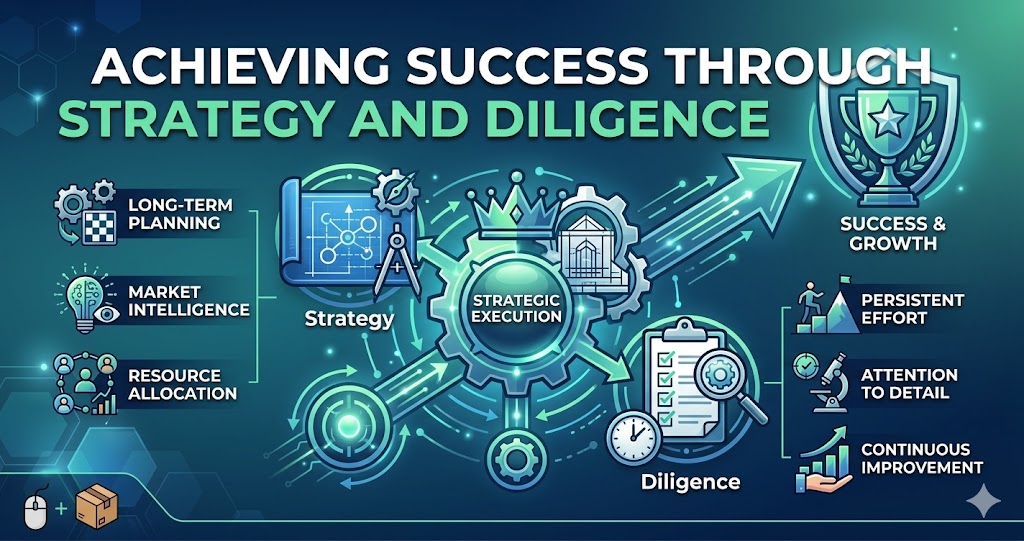
The Foundation of Meaningful Achievement
The path toward any significant goal is rarely a straight line. It is a complex terrain that requires a specific mindset to navigate successfully. At the heart of this journey lies the synergy between visionary thinking and the steady, unwavering application of effort. While talent might provide a head start, it is the consistent commitment to one’s craft that ultimately determines the height of one’s ceiling. Excellence is not an accident; it is the result of high intention, sincere effort, and intelligent execution.
Understanding the balance between mental preparation and physical execution is vital. Many individuals possess brilliant ideas but lack the staying power to see them through the difficult middle phases of a project. Conversely, some work tirelessly without a clear map, leading to burnout without progress. By integrating a thoughtful approach with a persistent work ethic, the impossible begins to feel attainable. This introduction explores how a disciplined spirit serves as the engine for long-term transformation, turning abstract dreams into concrete realities through a structured and tireless pursuit of quality.
Cultivating a Proactive Mindset
Success begins long before the first task is completed. It starts in the quiet moments of preparation where objectives are defined and obstacles are anticipated. A proactive mindset involves looking beyond the immediate horizon to understand the long-term implications of current actions. This mental framework allows individuals to stay composed when challenges arise, as they have already built the internal resilience necessary to pivot without losing momentum.
Developing this internal drive requires a rejection of passivity. Instead of waiting for opportunities to appear, the proactive individual creates them through constant refinement of their skills. This process involves a deep dive into the technical aspects of one’s field, ensuring that every action taken is backed by a solid understanding of the fundamentals. When we approach our daily responsibilities with a sense of ownership, the quality of our output naturally rises. It is about taking pride in the small details that others might overlook, knowing that the sum of these parts creates a masterpiece.
The Art of Sustained Focus
In an era defined by constant distraction, the ability to maintain deep concentration is a competitive advantage. Sustained focus is the bridge between a plan and its completion. It requires a conscious decision to prioritize the essential over the urgent. When we allow our attention to be fragmented by trivial interruptions, we lose the “flow state” necessary for high-level problem solving and creative breakthroughs.
To master this art, one must create an environment that supports deep work. This might mean setting strict boundaries around communication or dedicating specific blocks of time to the most demanding tasks. It is during these periods of intense application that the most significant progress is made. By narrowing our lens, we can apply our full cognitive resources to a single point, much like a magnifying glass focusing sunlight to create heat. This level of intensity, practiced day after day, builds a cumulative effect that eventually leads to a position of leadership and expertise in any chosen endeavor.
Building Resilience Through Repetition
True mastery is forged in the fires of repetition. While the initial excitement of a new project can carry us through the early stages, it is the grind of daily practice that builds lasting strength. There is a profound beauty in the mundane—the act of showing up even when motivation is low. This dedication to the process, regardless of the immediate emotional state, is what separates the professional from the amateur.
Each repetition is an opportunity to refine a technique or uncover a subtle nuance that was previously hidden. It is through this cyclical process of trial, error, and adjustment that we develop muscle memory and intuitive understanding. Resilience is not just about bouncing back from failure; it is about the quiet strength to continue moving forward when the path is unremarkable. Over time, these small, incremental gains compound into a formidable body of work. We must learn to love the plateau as much as the peak, recognizing that the steady work done during quiet periods is what prepares us for the next breakthrough.
Precision in Professional Standards
The difference between “good enough” and “exceptional” often comes down to a matter of inches. Precision is the hallmark of a professional who respects their craft. It involves a meticulous review of every component, ensuring that nothing is left to chance. This commitment to accuracy reflects a deep respect for the end user and a personal standard that refuses to settle for mediocrity.
In a professional setting, precision manifests as clear communication, rigorous testing, and a refusal to cut corners. It means verifying data, double-checking calculations, and refining prose until it is lean and impactful. This level of care sends a powerful message to colleagues and clients alike: that the work is reliable and the creator is trustworthy. By setting a high bar for ourselves, we encourage those around us to elevate their own standards. Precision is not about perfectionism, which can be paralyzing; rather, it is about the pursuit of excellence through attentive and thoughtful execution.
The Value of Incremental Progress
In a world that celebrates overnight success, the reality of slow, steady growth is often ignored. However, the most enduring structures are built brick by brick. Incremental progress is the secret to tackling massive challenges without becoming overwhelmed. By breaking down a grand vision into manageable daily actions, we make the daunting feel doable.
This approach requires patience and a long-term perspective. It is about valuing the 1% improvement made today, knowing that these tiny shifts will result in a massive transformation over a year or a decade. When we focus on the trajectory rather than the current position, we stay motivated through the slow periods. Celebrating small wins provides the psychological fuel needed to keep the engine running. This philosophy of marginal gains ensures that we are always moving in the right direction, creating a momentum that eventually becomes unstoppable. It turns the marathon of a career into a series of achievable sprints.
Strategic Adaptability in Changing Times
While consistency is vital, it must be paired with the ability to adapt. The landscape of any industry is subject to change, and those who remain too rigid in their methods risk becoming obsolete. Strategic adaptability is the capacity to remain committed to the ultimate goal while being flexible about the methods used to reach it. It involves a constant scanning of the environment for new tools, trends, and shifts in demand.
Adaptability requires a certain level of humility—the willingness to admit that a previously successful method may no longer be the best approach. It involves a commitment to lifelong learning and a curiosity that drives us to explore unfamiliar territory. By staying agile, we can navigate shifts in the market or technology without losing our core identity. This balance of steadiness and flexibility ensures that our hard work is always applied in the most effective direction. We remain relevant not by chasing every fad, but by thoughtfully integrating new knowledge into our established foundation of excellence.
Leadership and Collective Responsibility
As we advance in our personal and professional lives, the focus often shifts from individual output to collective success. True leadership is about instilling a sense of purpose and a high standard of work in others. It involves modeling the very traits we wish to see in our teams. When a leader demonstrates a tireless work ethic and a commitment to quality, it creates a culture where these values become the norm rather than the exception.
Collective responsibility means that every member of the team understands how their specific contributions impact the final result. This requires clear communication and a shared vision. By fostering an environment where questions are encouraged and mistakes are viewed as learning opportunities, a leader can unlock the full potential of their group. The strength of the whole becomes greater than the sum of its parts. In this context, the drive for excellence becomes a shared journey, leading to results that no single individual could have achieved alone. It is through this collaborative effort that truly world-changing innovations are born.
Key Attributes of Professional Growth
| Attribute | Primary Focus | Long-term Outcome |
| Preparation | Goal setting and risk assessment | Reduced errors and clear direction |
| Persistence | Daily effort regardless of mood | Habit formation and skill mastery |
| Precision | Attention to minute details | High-quality, reliable output |
| Adaptability | Learning and pivoting | Relevance in a changing market |
| Focus | Deep work and concentration | Efficiency and creative breakthroughs |
FAQS
How does one stay motivated during the “boring” middle stages of a project?
Motivation often fades, but discipline takes over. By focusing on the process and the small daily wins rather than the distant end goal, you can maintain a sense of momentum. Establishing a routine helps bypass the need for constant inspiration.
Is it possible to be too focused on details?
While precision is a virtue, it should not lead to “analysis paralysis.” The goal is to produce high-quality work within a reasonable timeframe. Use the 80/20 rule to identify which details have the most significant impact on the final result.
What is the best way to handle a major setback?
View setbacks as data points. Analyze what went wrong without emotional bias, adjust your strategy, and return to your daily routine. Resilience is built by the act of starting again with better information.
How can I improve my concentration in a noisy environment?
Utilize tools like noise-canceling headphones, time-blocking techniques (such as the Pomodoro method), and digital minimalism. Setting clear “do not disturb” windows is essential for protecting your cognitive energy.
Conclusion:
In summary, the height of one’s achievement is inextricably linked to the depth of their character and the consistency of their actions. There are no shortcuts to genuine mastery; it is earned through the quiet, often unglamorous hours of strategy and diligence. By embracing a proactive mindset and valuing the importance of incremental progress, we transform our potential into a tangible legacy.
The journey toward excellence is as much about the person you become as it is about the goals you reach. Each challenge faced and each detail refined adds a layer of strength to your professional foundation. As you continue to apply these principles, you will find that the barriers which once seemed insurmountable are now merely milestones in your rearview mirror. Let your work be a testament to your standards, and let your persistence be the force that carries you through every season of change. In the end, it is the combination of a sharp mind and a steady hand that shapes the world.

Calamariere: Techniques for Successful Coastal Fishing

Understanding the Concept and Applications of Sérya

Mastering the Sousaphone: History, Design, and Performance

Achieving Success Through Strategy and Diligence

PLG Supplies: Optimizing Your Product-Led Growth Strategy

Novafork: Redefining Digital Solutions for a Modern Era

Matoketcs: Understanding the Role of Green Banana Staples

Topics Mywirelesscoupons: Smart Savings in Digital Connectivity

Bvostfus Python Issue Fix: Comprehensive Resolution Guide

Apps and Softwares AlienSync: The Future of Digital Tools

CKTest9262: Enhancing Software Testing & Quality Assurance

Guide to List Crowlers: Fresh Craft Beer Packaging Solutions

Software Keepho5ll: Complete Guide to Modern Frameworks

Irobux Login: Accessing Features & Account Security Tips

Stay Ahead with Gaming Updates from Etruesports Etruegames

Digital Creativity and the Influence of ThePinkDolly99

High-Value Investment Hacks Discommercified for You

Understanding Context of 8668425178 and Digital Security

BetterThisWorld Business: Redefining Impact in the Modern Era

Stay Informed with Financial Updates Aggr8finance

IZoneMedia360.com Entrepreneur: Scaling Modern Businesses

RevolverTech Gaming: New Era of High-Performance Play

Modern Strategies: Always Businesses SocialBizMagazine

Discover how пшьлше influences digital workflows and enhances

Discover Essential Buzzardcoding Coding Tricks by Feedbuzzard

Incestfl8x: System Update and Performance Framework

BTWradiovent event by BetterThisWorld

белочкш: Meaning, Context, and Its Role in Digital Expression

BetterThisWorld.com Your Source for Motivation Money Guidance Tech Insights and Modern Living

Money BetterThisWorld: Financial Growth Mindful Living and Personal Empowerment

Stocks BetterThisWorld: Learn Investing With Calm Focus And Purpose

Betterthisworld Business: Guide to Smart Growth and Modern Success

Gaming Vivid2201 Patches: Updates Improvements and Player Experience

Slothokiturbo.net 683786714: Exploring the Platform and Its Features

BetterThisWorld BetterThisTechs News: Tech Trends and Digital Innovation

The Endless Barrel Roll Challenge: Exploring the Internet’s Wildest Gaming Stunt

Helpful Guide Convwbfamily: Care Understanding and Practical Wisdom

BetterThisWorldcom: A Comprehensive Guide to Personal Growth

DrivingMadio Do A Barrel Roll 2 Times: Guide to the Viral Gaming Trick

The Transformative Potential of Gaming: An Overview from BetterThisWorld

BTWLetterNews By BetterThisWorld Website

The Online Gaming Event PBLGamevent

Python 54axhg5: Programming Guide for Modern Development

Geekzilla Tio Geek: The Ultimate Tech and Culture Platform

Betterthiscosmos Posts Betterthisworld: Ideas Growth and Universal Inspiration

Is Fojatosgarto Hard to Cook: Understanding the Dish and Its Complexity

TGArchiveConsole Set Up: Guide for Easy Installation and Smooth Use

Understanding 6094104598: A General Guide to Identifying

www BetterThisWorld com: Guide to the Platform of Growth and Self-Improvement