Technology
Discover the growing influence of MarcelAsatnam


In the contemporary landscape of digital interaction, certain identifiers emerge that bridge the gap between individual identity and global commerce. One such identifier is marcelasatnam, a term that has gained traction within specific online communities and marketplaces. As the digital economy shifts toward more personalized and peer-to-peer interactions, the role of unique usernames and brand handles becomes increasingly significant. These identifiers are no longer just labels; they represent a reputation, a curated aesthetic, and a point of trust for consumers navigating vast online platforms.
Understanding the context of marcelasatnam requires a look at how digital personas are built and maintained. In high-traffic environments where millions of transactions occur daily, a consistent and recognizable name serves as a beacon for quality and authenticity. This particular identity has become associated with the curation of high-value items and a professional approach to digital entrepreneurship. As we explore the various facets of this digital presence, we see a reflection of broader trends in how modern professionals utilize the internet to build sustainable and impactful brands from the ground up.
The Rise of Specialized Online Marketplaces
The growth of the digital economy has led to the proliferation of specialized platforms that cater to niche audiences. These spaces allow for a more focused interaction between buyers and sellers, moving away from the “one size fits all” approach of larger retailers. Within these ecosystems, identities like the one we are discussing thrive by providing a specific value proposition that resonates with a particular demographic. This shift highlights a broader move toward community-driven commerce, where the personality behind the storefront is just as important as the products being offered.
Success in these specialized environments often depends on a deep understanding of market trends and consumer behavior. Sellers must be able to anticipate what their audience wants before the demand becomes mainstream. This requires a high level of engagement and a willingness to adapt to the ever-changing digital landscape. By maintaining a strong and consistent presence, individuals can carve out a space for themselves that is both profitable and resilient. The evolution of these marketplaces is a testament to the power of digital entrepreneurship in the twenty-first century.
Building Trust Through Consistent Branding
Trust is the most valuable currency in the online world. Without the benefit of face-to-face interaction, consumers rely on a variety of signals to determine the reliability of a seller. A consistent name and visual style are essential components of this trust-building process. When a user encounters a profile that is well-maintained and professional, it sends a clear message of competence and dedication. This is why the strategic use of a singular identity across various platforms is so effective in establishing long-term relationships with a global audience.
Furthermore, the history of transactions and user feedback plays a critical role in reinforcing this trust. A track record of positive interactions serves as social proof, encouraging new customers to engage with confidence. This transparency is a hallmark of the modern marketplace, where every action is recorded and visible to the public. For those who prioritize integrity and quality, this environment provides an unparalleled opportunity to grow a loyal following. The meticulous management of a digital brand is a full-time commitment that pays dividends in the form of a sustainable reputation.
Navigating the Logistics of Digital Commerce
Behind every successful online presence is a complex web of logistics that ensures a smooth experience for the customer. From inventory management to shipping and customer service, the operational side of digital commerce is demanding. Those who excel in this field often utilize advanced tools and software to streamline their processes and reduce the margin for error. This professional approach is what differentiates casual sellers from those who have built a genuine business around their digital identity.
The ability to scale these operations is also a key factor in long-term success. As a brand grows in popularity, the systems in place must be able to handle increased volume without a dip in quality. This often involves partnering with reliable logistics providers and staying informed about the latest technological advancements. By treating every transaction with the same level of care, regardless of its size, entrepreneurs can maintain the high standards that their audience has come to expect. The logistical backbone of a digital brand is the silent engine that drives its growth and stability.
The Power of Curation in Modern Retail
In an age of information overload, the role of the curator has become more important than ever. Consumers are often overwhelmed by the sheer number of choices available to them, and they look to trusted sources to filter through the noise. A well-curated selection of products reflects a specific taste and expertise, providing a shortcut for buyers who share those values. This is where a unique digital identity can truly shine, acting as a personal shopper for a global audience that appreciates a particular aesthetic or quality level.
Curation is not just about choosing the right products; it is about telling a story. Each item in a collection contributes to a broader narrative that defines the brand’s personality. This storytelling aspect is what creates an emotional connection with the audience, making the shopping experience more meaningful and engaging. By focusing on quality over quantity, curators can build a brand that stands for something specific, attracting a dedicated following that values their unique perspective. The art of curation is a vital skill in the modern retail landscape.
Strategic Communication and Community Engagement
Effective communication is at the heart of any successful digital brand. Engaging with an audience requires more than just posting updates; it involves a genuine dialogue that fosters a sense of community. By listening to feedback and responding to inquiries in a timely and professional manner, individuals can build a rapport with their followers that goes beyond simple commerce. This level of engagement is what turns a one-time buyer into a lifelong advocate for the brand.
Social media platforms provide a powerful tool for this type of strategic communication. They allow for real-time interaction and the ability to share the “behind the scenes” aspects of a business, making the brand more relatable and human. This transparency builds a deeper level of trust and allows the audience to feel like they are part of the journey. In an increasingly automated world, the personal touch remains a powerful differentiator that can set a brand apart from its competitors. The mastery of these communication channels is essential for any modern digital entrepreneur.
Adapting to Shifting Digital Trends
The digital world is in a constant state of flux, with new technologies and platforms emerging at a rapid pace. To remain relevant, a brand must be willing to evolve and experiment with new ways of reaching its audience. This might involve adopting new payment methods, exploring different social media channels, or integrating advanced analytics to better understand consumer behavior. The ability to pivot and adapt is a hallmark of the most successful digital identities.
Staying ahead of the curve also requires a commitment to continuous learning. The most effective entrepreneurs are those who are always looking for ways to improve their skills and stay informed about industry developments. Whether it is learning about the latest SEO techniques or understanding the implications of blockchain technology, staying educated is key to maintaining a competitive edge. This proactive approach ensures that the brand remains resilient in the face of change and is well-positioned to capitalize on new opportunities as they arise.
The Future of Personalized Entrepreneurship
As we look toward the future, the trend of personalized, individual-led brands is only expected to accelerate. Technology has lowered the barriers to entry, allowing anyone with a unique vision and a strong work ethic to build a global business. This democratization of commerce is creating a more diverse and vibrant marketplace where niche interests can find a worldwide audience. The success of identities like the one discussed here is a preview of a world where personal reputation is the most important asset.
This future also promises even greater integration between our physical and digital lives. Technologies like augmented reality and AI-driven personalization will allow for even more immersive and tailored shopping experiences. In this environment, the human element—the personality and values behind the brand—will become even more critical. By staying true to their core mission and maintaining a high standard of quality, digital entrepreneurs can continue to thrive in an ever-evolving landscape. The journey of building a digital brand is one of constant innovation and growth.
Brand Performance Metrics
| Metric | Description | Value Type |
| User Trust Score | Cumulative feedback from verified transactions | Percentage (%) |
| Engagement Rate | Level of interaction on social platforms | Ratio |
| Curation Index | Variety and quality of listed inventory | Qualitative |
| Response Time | Average time to address customer inquiries | Minutes/Hours |
| Repeat Buyer Rate | Percentage of customers returning for more | Percentage (%) |
Frequently Asked Questions
How does a unique digital identity impact search visibility?
A specific and consistent name makes it easier for search engines to index a profile, leading to higher visibility when users search for that specific brand or related products.
Why is consistency across different platforms important?
Consistency reinforces brand recognition and trust. When a user sees the same professional image and tone on various sites, it confirms the legitimacy of the entrepreneur.
What role does customer feedback play in digital branding?
Feedback acts as a public record of reliability. Positive reviews build social proof, while the way negative feedback is handled demonstrates the brand’s commitment to customer service.
Conclusion
The digital presence of marcelasatnam serves as a compelling case study in the power of modern personal branding and online entrepreneurship. In an era where the internet provides a global stage for anyone with a unique perspective, the ability to build and maintain a trusted identity is a vital skill. This journey involves far more than just selling products; it requires a strategic approach to communication, a deep commitment to quality, and a constant willingness to adapt to new technologies and trends. As the marketplace continues to evolve, these individual-led brands will play an increasingly prominent role in shaping how we consume and interact.
By focusing on trust, curation, and community engagement, digital professionals can create a lasting impact that transcends a single platform or transaction. The success of such an identity is built on a foundation of integrity and a clear understanding of the audience’s needs. As we move forward into an even more connected future, the lessons learned from these digital pioneers will serve as a roadmap for the next generation of entrepreneurs. The story of a digital brand is a continuous narrative of growth, resilience, and the enduring power of a well-crafted reputation in a vast and crowded online world.
Reliable communication is the backbone of every successful industrial operation. Whether you manage a construction site, manufacturing facility, warehouse, security team, or logistics company, having dependable portable radios can significantly improve safety, productivity, and coordination. Businesses looking for professional communication equipment can explore a wide range of industrial solutions at RadioRed where reliable two-way radios and accessories are available for different operational needs. Choosing the right device requires understanding your work environment, communication requirements, and the features that matter most.
Why Industrial Portable Radios Are Essential
Unlike smartphones, portable two-way radios provide instant communication without relying on cellular networks. This makes them an excellent choice for businesses operating in remote areas, large facilities, or environments where mobile coverage is unreliable.
Industrial radios are designed to withstand demanding conditions while delivering clear voice communication. They enable workers to coordinate tasks quickly, respond to emergencies, and reduce downtime caused by communication delays.
Some industries that commonly rely on portable radios include:
- Construction
- Manufacturing
- Warehousing
- Transportation
- Mining
- Oil and gas
- Hospitality
- Security services
- Event management
- Public safety organizations
Understand Your Communication Needs
Before purchasing portable radios, identify how your team will use them.
Ask yourself:
- How many employees need radios?
- Will communication occur indoors, outdoors, or both?
- What communication range is required?
- Are workers exposed to dust, water, or harsh weather?
- Is hands-free communication necessary?
- Do you need communication across multiple departments?
Answering these questions helps narrow your options and ensures you invest in equipment that supports daily operations.
Consider the Operating Environment
The workplace environment directly affects radio performance.
Indoor Facilities
Warehouses, factories, hospitals, and hotels often contain walls, machinery, and metal structures that interfere with radio signals. Choosing radios with strong signal penetration and quality antennas improves communication reliability.
Outdoor Job Sites
Construction sites, farms, and utility services require radios with extended range and weather-resistant construction.
Hazardous Locations
Industries dealing with combustible gases or chemicals should consider intrinsically safe radios that meet industry safety standards to reduce ignition risks.
Durability Matters
Industrial equipment experiences frequent drops, vibrations, dust exposure, and moisture. Portable radios should be built for rugged environments.
Look for features such as:
- Military-grade durability
- Shock-resistant housing
- Dust protection
- Water resistance
- Reinforced antenna design
- Durable battery locking mechanisms
Many professional radios comply with MIL-STD military standards, indicating they have been tested for harsh operating conditions.
Battery Performance
- Battery life directly impacts productivity.
- Employees should not worry about charging radios during work hours.
- Modern industrial radios often provide:
- 10–18 hours of battery life
- Lithium-ion battery technology
- Fast charging
- Battery-saving modes
- Low battery alerts
Companies operating multiple shifts may benefit from spare batteries or rapid charging stations.
Audio Quality Is Critical
Factories, warehouses, and construction sites are noisy environments.
Choose radios with:
- High-powered speakers
- Noise reduction technology
- Clear digital audio
- Adjustable volume controls
Good audio quality ensures messages remain understandable even near heavy equipment or machinery.
Coverage Range
Manufacturers often advertise maximum communication ranges under ideal conditions.
However, actual range depends on:
- Buildings
- Trees
- Mountains
- Steel structures
- Weather conditions
- Antenna quality
Always evaluate your actual worksite rather than relying solely on advertised specifications.
For larger facilities, radio repeaters can significantly extend communication coverage.
Analog vs. Digital Radios
Modern businesses increasingly choose digital radios because they offer improved efficiency.
Analog Radios
Advantages include:
- Lower purchase cost
- Easy operation
- Compatibility with older systems
Digital Radios
Benefits include:
- Better voice clarity
- Longer battery life
- Improved privacy
- Greater spectrum efficiency
- Additional communication features
Digital systems are often the better long-term investment for growing organizations.
Essential Features to Look For
Today’s portable radios include numerous productivity-enhancing features.
Popular options include:
VOX (Voice Activation)
Allows hands-free communication without pressing the transmit button.
Emergency Alert Button
Enables workers to quickly notify supervisors during emergencies.
Channel Scanning
Automatically searches active communication channels.
Programmable Buttons
Customize frequently used functions for faster operation.
Lone Worker Protection
Monitors isolated employees and triggers alerts if they become unresponsive.
Man Down Detection
Some advanced radios automatically send emergency notifications if the user falls or remains motionless.
Accessories Improve Efficiency
The right accessories can enhance comfort and communication.
Useful accessories include:
- Speaker microphones
- Surveillance earpieces
- Noise-canceling headsets
- Carrying holsters
- Belt clips
- Multi-unit chargers
- Replacement batteries
- Vehicle chargers
- High-gain antennas
Selecting compatible accessories improves both convenience and operational efficiency.
Frequency Considerations
Industrial radios operate across different frequency ranges.
Common options include:
VHF
Suitable for:
- Farms
- Forest
- Rural operations
- Outdoor environments
UHF
Ideal for:
- Buildings
- Warehouses
- Shopping centers
- Manufacturing plants
- Hotels
The best frequency depends entirely on your operating environment.
Ease of Use
Complicated communication equipment often reduces efficiency.
Employees should be able to:
- Change channels easily
- Adjust volume quickly
- Access emergency functions
- Use the radio while wearing gloves
- Understand controls with minimal training
Simple user interfaces improve adoption across the workforce.
Security and Privacy
Sensitive industries require secure communications.
Modern radios may include:
- Encryption
- Private calling
- Group calling
- Channel locking
- Access control
These features help protect confidential business information.
Maintenance and Long-Term Reliability
Proper maintenance extends equipment lifespan.
- Recommended practices include:
- Clean radios regularly.
- Inspect antennas for damage.
- Recharge batteries correctly.
- Store equipment in dry locations.
- Replace worn accessories.
- Update firmware when applicable.
Routine maintenance reduces repair costs and minimizes downtime.
Choosing a Trusted Brand
Professional-grade manufacturers have earned strong reputations for reliability, durability, and long-term support.
When comparing products, consider:
- Build quality
- Warranty coverage
- Available accessories
- Replacement parts
- Customer support
- Service availability
Selecting established brands often results in lower ownership costs over time.
Planning for Future Growth
Business communication needs often expand.
Choose radios that can grow with your organization by supporting:
- Additional users
- More communication channels
- Repeaters
- Digital migration
- Fleet management
- Advanced software integration
Scalable communication systems protect your investment as operations grow.
Common Purchasing Mistakes
Avoid these common mistakes:
- Buying solely based on price
- Ignoring workplace conditions
- Choosing insufficient coverage
- Overlooking battery performance
- Forgetting accessory compatibility
- Purchasing without future expansion plans
- A careful evaluation ensures you receive the best long-term value.
Final Thoughts
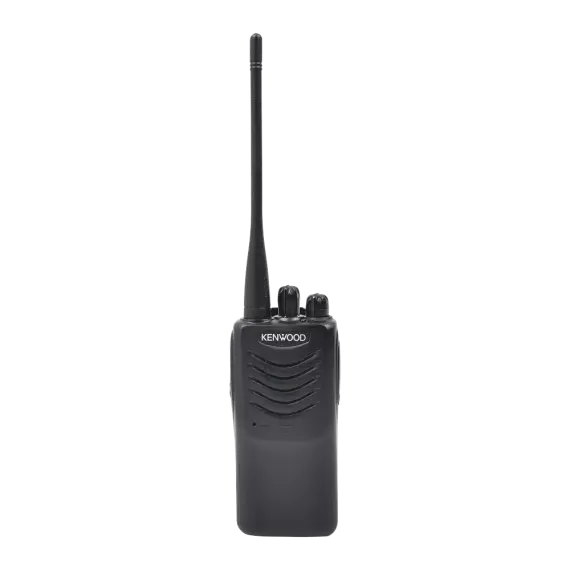
Selecting the right industrial portable radio involves more than comparing specifications. You should evaluate your operating environment, communication range, durability requirements, battery performance, safety features, and future scalability before making a decision. Investing in reliable communication equipment improves coordination, enhances workplace safety, and increases overall productivity. If you’re looking for dependable professional radios designed for demanding industrial applications, RadioRed offers quality communication solutions, including the Kenwood TK-3000 and other trusted products that can help businesses maintain clear and efficient communication in virtually any work environment: radiored.com
Introduction
In the rapidly evolving world of online media, specific identifiers such as temey_07 represent the growing importance of unique digital footprints. As the internet becomes more saturated with information, the ability to carve out a distinct space is no longer just a luxury but a necessity for professional and personal development. Managing a digital presence requires a sophisticated blend of technical knowledge, creative execution, and long-term planning. It is about understanding how algorithms function while simultaneously appealing to the human desire for connection and value. Whether an entity is focused on niche market growth or broad audience engagement, the principles of consistency and quality remain the primary drivers of success.
The digital landscape in 2026 is defined by a shift toward more personalized and localized experiences. Users are increasingly looking for voices they can trust and platforms that provide clear, actionable insights. In this environment, an identifier like temey_07 serves as a focal point for a specific community or professional network. By examining the various layers of digital strategy—from search engine optimization to data privacy and community building—we can better understand how to navigate this complex ecosystem. This article provides a detailed exploration of the modern digital world, offering a roadmap for anyone looking to establish a sustainable and influential presence without compromising on integrity or professional standards.
The Evolution of Online Discovery Systems
The way we find information online has shifted from simple keyword matching to a complex understanding of user intent and context. Search engines now utilize advanced machine learning models to determine which content is truly helpful and which is merely trying to game the system. For digital creators, this means that the “shortcuts” of the past, such as keyword stuffing or low-quality backlinking, are no longer effective and can actually be detrimental. The focus has moved toward creating comprehensive resources that answer multiple layers of a user’s query. This evolution rewards depth and expertise, pushing the internet toward a more informative and reliable state.
Furthermore, discovery is no longer limited to a single search box. Social discovery, voice search, and AI-driven recommendations play a massive role in how content reaches an audience. An identity must be optimized not just for one platform, but for a multi-modal environment where a user might find a post through a visual feed and then follow up with a voice-activated search for more details. This requires a flexible content strategy where information is structured in a way that is easily digestible by both humans and automated systems. Staying ahead of these changes involves continuous learning and a willingness to adapt one’s approach as new technologies emerge and redefine the boundaries of the virtual world.
Building Authority Through Technical Excellence
Technical proficiency is the silent engine that powers every successful digital profile. While the content is what the user sees, the underlying infrastructure determines whether they can find it and how easily they can interact with it. Factors such as page loading speed, mobile responsiveness, and secure connections are fundamental to building authority. A site or profile that is slow or difficult to navigate sends a negative signal to both users and search algorithms, suggesting a lack of professionalism. Investing in a clean, efficient digital setup is one of the most effective ways to differentiate oneself from the competition.
Beyond the basics, technical excellence also includes the strategic use of structured data and metadata. These “behind-the-scenes” elements help search engines understand the context of the information being presented, making it more likely to appear in rich snippets or specialized search results. For a professional entity, this means that their achievements, services, and core messages are clearly defined in a language that the web can interpret. This level of detail not only improves visibility but also enhances the user experience by providing clear, organized information right at the point of discovery. In a world where attention spans are short, removing friction through technical optimization is a key component of long-term growth.
The Intersection of Creativity and Analytics
The most successful digital strategies are those that find a balance between the “art” of content creation and the “science” of data analysis. Creativity provides the unique voice and the emotional connection that draws an audience in, while analytics provide the feedback loop necessary to refine that voice over time. By looking at metrics such as engagement rates, time on page, and conversion paths, a creator can see exactly what resonates with their audience. This data-driven approach takes the guesswork out of strategy, allowing for more targeted and effective campaigns that respect the user’s time and interests.
However, it is vital to remember that data is a tool, not a master. Relying too heavily on metrics can lead to a “race to the bottom” where creativity is sacrificed for clicks. The goal should be to use data to amplify one’s creative vision, not to replace it. For instance, if data shows that a specific topic is trending, a creator can use their unique expertise to provide a fresh perspective on that topic, rather than just repeating what everyone else is saying. This combination of insight and originality is what builds a loyal and engaged community. It is a process of constant experimentation, where every piece of content is an opportunity to learn more about the audience and provide even more value in the next iteration.
Ethical Engagement and Community Management
In a digital space that can often feel impersonal or even hostile, ethical engagement has become a major competitive advantage. Building a community around an identifier requires more than just broadcasting messages; it requires active listening and respectful interaction. This means responding to feedback, acknowledging diverse viewpoints, and maintaining a high standard of professional conduct at all times. An identity that is known for being helpful and transparent is far more likely to attract long-term support than one that is purely transactional or overly aggressive in its marketing.
Community management also involves setting and enforcing boundaries. Creating a safe and welcoming space for discussion is essential for fostering deep engagement. This might involve moderating comments, providing clear guidelines for interaction, and being proactive in addressing misinformation. When an audience feels that a platform is well-managed and respectful, they are more likely to become advocates for that brand or personality. This word-of-mouth growth is incredibly powerful and much more resilient than growth driven by paid advertising alone. Ethical engagement is not just the right thing to do; it is a strategic necessity for anyone looking to build a lasting and meaningful presence in the modern world.
Security Strategies for the Modern Professional
As a digital footprint expands, so does the potential for security risks. Protecting an online identity is a multi-layered task that involves technical safeguards, behavioral changes, and constant vigilance. High-profile accounts and professional identifiers are frequent targets for various types of cyberattacks, from simple phishing to sophisticated social engineering. Implementing strong, unique passwords and enabling multi-factor authentication (MFA) across all platforms is the absolute minimum requirement. Furthermore, regular security audits and staying informed about the latest threats are essential for maintaining a secure environment.
Beyond technical security, there is the issue of digital reputation management. A security breach is not just a technical problem; it can be a devastating blow to one’s professional credibility. If an audience feels that their data is not safe or that a profile is not being managed securely, trust can vanish instantly. This is why transparency is so important. If an issue does occur, communicating clearly and taking immediate steps to resolve it can help mitigate the damage. In the long run, being seen as a security-conscious entity adds another layer of value to a digital brand, providing peace of mind to followers and partners alike in an increasingly uncertain virtual landscape.
Navigating the Future of Artificial Intelligence
Artificial Intelligence (AI) is no longer a futuristic concept; it is a fundamental part of how the internet operates. From content generation tools to advanced analytics and automated customer service, AI is changing every aspect of digital strategy. For a creator, the challenge is to use these tools to enhance their work without losing their unique human perspective. AI can handle the repetitive, time-consuming tasks like data sorting or basic formatting, freeing up the human mind to focus on high-level strategy and creative storytelling. The most successful individuals in the coming years will be those who can collaborate effectively with these technologies.
However, the rise of AI also brings new challenges, particularly around the issues of authenticity and original thought. As it becomes easier to generate content at scale, the value of genuine, human-led expertise will only increase. An identity like temey_07 must remain a source of unique, verifiable information that an AI cannot simply replicate. This involves leaning into personal experiences, niche knowledge, and complex problem-solving that requires a human touch. By staying at the forefront of AI trends while maintaining a strong commitment to originality, digital professionals can ensure they remain relevant and valuable in an automated world.
Sustainability and Growth in a Saturated Market
Achieving growth in a market that is already saturated with content requires a focus on sustainability and niche positioning. Trying to be everything to everyone is a recipe for mediocrity. Instead, the most successful digital entities are those that find a specific problem to solve or a unique perspective to share and then double down on it. This focus allows for the creation of “evergreen” content—material that remains useful and relevant over a long period. Building a library of high-quality, specialized resources provides a foundation for steady, organic growth that doesn’t rely on the fluctuations of social media trends.
Sustainability also means managing one’s own resources effectively. The pressure to be “always on” can quickly lead to burnout, which is the enemy of quality. Developing a consistent but manageable pace, focusing on high-impact projects, and diversifying one’s digital presence are all part of a sustainable strategy. This might involve building an email list to own the relationship with the audience, or expanding into different formats like video or audio to reach new demographics. By thinking like a marathon runner rather than a sprinter, a digital professional can build a presence that not only survives but thrives over the long term, becoming a trusted and permanent fixture in their chosen field.
Essential Metrics for Digital Performance Tracking
| Category | Metric | Strategic Purpose |
| Visibility | Organic Search Impressions | To measure how often the identity appears in search results. |
| Engagement | Average Session Duration | To determine if the content is holding the user’s attention. |
| Authority | Backlink Profile Quality | To assess how many reputable sites are citing the content. |
| Retention | Returning Visitor Rate | To evaluate if the audience finds enough value to come back. |
| Technical | Core Web Vitals | To ensure the site meets the latest performance and speed standards. |
FAQs
What is the significance of the temey_07 identifier?
It serves as a unique digital marker for a professional or creative presence, allowing for consistent branding and easier discovery across various online platforms and search engines.
How can I maintain a professional tone in long-form articles?
Focus on providing objective, high-value information. Avoid slang, over-the-top marketing language, and excessive punctuation. Structure the content logically with clear subheadings to guide the reader.
Why is it important to avoid bolding keywords in SEO content?
In modern SEO, search engines are smart enough to understand the topic without bolded text. Bolding keywords can make the content look “spammy” or over-optimized to a human reader, which can negatively impact user trust and engagement.
What is the best way to handle negative feedback online?
Respond professionally and calmly. Address the concerns raised without becoming defensive. If the feedback is constructive, use it as an opportunity to improve. If it is purely abusive, it is often best to ignore it or follow platform-specific moderation policies.
Conclusion
The process of establishing a powerful and respected presence under a name like temey_07 is a journey that requires patience, skill, and a deep commitment to excellence. As we have seen throughout this exploration, success is built on a foundation of technical quality, creative originality, and ethical engagement. In an era where information is abundant but true insight is rare, those who can provide clear, reliable, and valuable content will always stand out. The digital landscape will continue to change, but the core principles of trust and authority remain constant.
By embracing new technologies like AI while staying grounded in human-centric values, digital professionals can navigate the complexities of the modern web with confidence. Whether your goal is to build a professional network, share specialized knowledge, or grow a business, the strategies outlined here provide a robust framework for success. Remember that a digital identity is a living entity; it requires regular care, constant learning, and a proactive approach to security and privacy. With the right strategy and a focus on long-term sustainability, you can build a legacy that provides value to your audience and professional fulfillment for years to come. The future of the digital world is wide open, and there is always space for those who lead with quality and integrity.

Introduction
The pursuit of high-fidelity sound has led to the development of specialized components and configurations that redefine how we experience media. Among these technical milestones, the tune5801t stands out as a focal point for enthusiasts seeking a balance between precision engineering and user-accessible design. In an era where digital audio dominates the landscape, the hardware responsible for translating bits into waves must be more robust than ever. This specific designation refers to a set of standards and hardware capabilities designed to minimize interference while maximizing the dynamic range of a given audio source.
Understanding the mechanics behind tune5801t requires a deep dive into the evolution of wireless and wired audio protocols. As consumer demand shifts toward portability without sacrificing quality, engineers have had to innovate at the circuit level. This involves sophisticated digital-to-analog conversion and power management systems that ensure consistent output across various volume levels. This article explores the various dimensions of modern audio hardware, examining how specific components contribute to a richer, more immersive listening experience for professionals and casual listeners alike. By analyzing the structural and functional aspects of these systems, we gain a clearer picture of why certain hardware choices make such a significant impact on final output quality.
The Foundation of High Fidelity Sound
Achieving a pristine audio output begins with the physical architecture of the playback device. At the core of every high-end system is a commitment to reducing signal degradation. This is often achieved through the use of high-grade capacitors and shielding techniques that protect the delicate electrical pulses from external electromagnetic interference. When a signal travels through a well-designed circuit, it maintains its integrity from the initial processing stage all the way to the transducer. This ensures that the nuances of a recording, from the softest whisper to the loudest crescendo, are preserved exactly as the artist intended.
Beyond the physical components, the layout of the motherboard or internal hardware plays a critical role in thermal management. Electronic components generate heat during operation, which can lead to fluctuations in performance if not properly dissipated. Modern audio engineering utilizes advanced heat sinks and spatial mapping within the chassis to keep temperatures stable. This stability is vital for maintaining a consistent frequency response, especially during extended listening sessions. When these elements work in harmony, the result is a transparent soundstage that allows the listener to pinpoint individual instruments and vocal layers with startling clarity.
Innovations in Digital Signal Processing
The transition from analog to digital has brought about a revolution in how sound is shaped and refined. Digital Signal Processing, or DSP, allows for real-time adjustments to the audio stream, compensating for the physical limitations of speakers or headphones. By using complex mathematical algorithms, these processors can correct for phase shifts, equalize frequency imbalances, and even simulate three-dimensional environments. This technology has become a standard in the industry, enabling small, portable devices to produce a sound profile that was once only possible with large, stationary setups.
One of the most significant benefits of modern processing is the ability to handle high-resolution files without stuttering or loss of detail. As bitrates increase, the hardware must be capable of processing vast amounts of data every second. This requires high-clock-speed processors that are optimized for audio tasks specifically. By offloading these tasks from the main system controller to a dedicated audio chip, manufacturers can ensure a jitter-free experience. This specialization is what separates professional-grade equipment from standard consumer electronics, providing a level of depth and texture that defines the modern high-fidelity experience.
Connectivity Standards in a Wireless World
The convenience of wireless technology has fundamentally changed how we interact with our devices. However, the move away from physical cables introduced a new set of challenges, primarily regarding data compression and latency. To combat these issues, new codecs and transmission protocols have been developed to mimic the bandwidth of a wired connection. These advancements allow for the transmission of lossless audio over Bluetooth or Wi-Fi, ensuring that the convenience of being untethered does not come at the cost of acoustic quality.
Reliability is the other side of the connectivity coin. In a world crowded with signals from smartphones, routers, and other peripherals, maintaining a stable link is essential. Modern hardware utilizes adaptive frequency hopping and advanced antenna designs to cut through the noise. This ensures that the audio remains synchronized with visual media, a critical factor for gaming and cinematography. As these wireless standards continue to evolve, the gap between wired and wireless performance is narrowing, making high-end audio more accessible to a mobile workforce and a lifestyle on the go.
Ergonomics and Material Science in Design
While internal components drive performance, the physical design of audio equipment dictates the user’s long-term comfort and interaction. Material science plays a huge role here, as manufacturers experiment with lightweight alloys, carbon fibers, and high-density polymers. These materials are chosen not just for their durability, but for their acoustic properties. For instance, certain woods or metals can dampen unwanted vibrations, preventing the chassis from adding its own “color” to the sound. This pursuit of a neutral physical environment is essential for professional monitoring and critical listening.
Ergonomics also extend to the interface and control systems. Whether it is a tactile volume knob with precise resistance or a sleek touch-sensitive panel, the way a user interacts with the hardware should be intuitive. For wearable audio, such as headphones, the focus shifts to weight distribution and pressure points. Memory foam ear cushions and adjustable headbands are engineered to provide a seal that enhances passive noise isolation while remaining comfortable for hours. This marriage of form and function ensures that the technology remains a pleasure to use, rather than a distraction from the music itself.
Power Management and Battery Longevity
For portable audio equipment, the battery is the lifeblood of the system. Powering high-performance amplifiers and processors requires a significant amount of energy, which must be balanced against the need for a slim and light profile. Lithium-ion technology has improved significantly, allowing for higher energy density and faster charging cycles. However, the software governing this power is just as important. Intelligent power management can shut down unused components of a circuit or adjust the voltage based on the impedance of the connected output device.
Efficiency in power usage also has a direct impact on audio quality. Fluctuations in power delivery can introduce noise or “hiss” into the signal path. Therefore, high-quality portable devices use sophisticated regulators to ensure a “clean” power supply to the sensitive audio stages. This focus on clean energy allows for a blacker background in the audio, meaning that the silence between notes is truly silent. As battery technology continues to advance, we can expect even longer playback times without any degradation in the driving force behind the sound.
The Importance of Acoustic Calibration
Every room and every ear is different, which is why calibration has become a cornerstone of modern audio setups. Software-based calibration tools use microphones to measure how sound bounces off walls and furniture, creating a digital map of the environment. The system then applies a “room correction” curve to the output, neutralizing the peaks and dips in frequency response caused by the room’s architecture. This allows for a studio-quality listening experience even in spaces that were not originally designed for optimal acoustics.
On a more personal level, some devices now offer “ear-mapping” technology. By sending a series of tones into the ear canal and measuring the reflections, the hardware can create a personalized EQ profile that compensates for the unique shape of the user’s ear. This level of customization ensures that the frequency balance is perfectly tailored to the individual, maximizing the effectiveness of the hardware. This transition toward personalized, environment-aware audio represents the next frontier in consumer electronics, making high-end sound more adaptable than ever.
Future Trends in Audio Development
Looking toward the horizon, the integration of artificial intelligence into the audio chain is the most anticipated development. AI can be used to upscale low-quality recordings in real-time, filling in the gaps left by old technology or heavy compression. Furthermore, we are seeing the rise of “object-based” audio, where sounds are treated as individual entities in a 3-dimensional space rather than just channels. This allows for a truly immersive experience where the sound can move around the listener with pinpoint accuracy, regardless of the speaker configuration.
Sustainability is also becoming a major factor in the production of audio hardware. As consumers become more conscious of their environmental footprint, companies are looking for ways to use recycled plastics and sustainably sourced minerals in their circuits. Modular designs that allow users to replace the battery or upgrade the internal processor instead of throwing away the entire unit are gaining traction. This shift toward “evergreen” technology ensures that the high-fidelity experiences of tomorrow are built on a foundation of responsibility and longevity.
Hardware Comparison Table
| Feature | Specification Details |
| Component Model | tune5801t |
| Frequency Response | 20Hz – 20kHz |
| Signal-to-Noise Ratio | > 105 dB |
| Connectivity | Bluetooth 5.2 / 3.5mm Aux |
| Battery Life | Up to 40 Hours |
| Charging Port | USB-C Fast Charge |
| Material Build | Aircraft-grade Aluminum / Polymer |
FAQs
What are the primary applications for the tune5801t hardware?
This hardware is primarily used in high-fidelity audio equipment, including wireless headphones and portable digital-to-analog converters, to provide clear and consistent sound.
How does it handle high-resolution audio files?
Through advanced digital signal processing, it can decode high-bitrate files without loss of detail, maintaining the depth and texture of the original recording.
Is this component compatible with mobile devices?
Yes, it is designed for modern integration, supporting various wireless codecs that allow it to pair seamlessly with smartphones, tablets, and laptops.
Does the hardware support noise cancellation features?
While the hardware itself provides a clean signal, it is often paired with microphones and software to support active noise cancellation in consumer products.
What is the benefit of the specific power management in this system?
It ensures a stable voltage to the audio circuit, which prevents background hiss and extends the battery life for portable use.
Conclusion
The evolution of audio technology is a testament to the human desire for a more profound connection with sound. The development of components like the tune5801t highlights a sophisticated intersection of electrical engineering, material science, and digital innovation. By focusing on the integrity of the signal and the comfort of the listener, modern manufacturers are breaking down the barriers to true high-fidelity audio. No longer restricted to expensive, room-sized installations, studio-quality sound is now something that can be carried in a pocket or worn on a commute.
As we have explored, the quality of our listening experience is the result of many hidden factors—from the shielding of the wires to the algorithms of the signal processor. Understanding these elements allows us to make more informed choices about the devices we bring into our lives. Whether you are a professional producer or someone who simply loves music, the advancements in this field ensure that the future of sound is bright, clear, and more immersive than ever. The journey of the tune5801t and similar technologies is far from over, as they continue to push the boundaries of what is possible in the realm of acoustic performance.

How to Know When Your Roof Needs Replacement
Understanding IPTV Subscriptions for Arabic Entertainment and Streaming
Understanding Personal Injury Claims After an Accident

Key Benefits of Residential Elevators in Modern Homes
The Growing Role of IPTV in Modern Television
The Evolution of University Printing in the Digital Age

How to Reduce Snoring and Sleep Better Every Night

How Physical Therapy Relieves Pelvic Pain

FintechZoom.com: A Smart Resource for Financial News, Investment Education

How to Defend Drug Crime Charges

Tips for Sourcing Bedding Fabrics

Why British Property Investors Are Leveraging U.S. Real Estate Instead of Cashing Out

Guide to Choosing Industrial Portable Radios

Tips for Protecting Your Rights After an Accident

Why Sophisticated Global Investors Are Using Leverage Instead of Cash in U.S. Real Estate

Tips for Choosing Packaging Bags

Tips for Choosing Between Blinds and Shades

Building a Future, Not Just Buying a Home: Why Melbourne Families Are Choosing Smarter Communities

Why Palm Jumeirah Continues to Define the Future of Ultra-Prime Living in Dubai

How to Shop Smart During Festive Sales Without Compromising on Style?

How Child Custody Decisions Are Made In Boston

Streamlining Payroll Processes for Small Teams

The Future of Waterfront Luxury: Why Hudayriyat Island is Abu Dhabi’s Premier Investment Hub

Why Expanding Game Libraries Is Important for Digital Casinos

Identifying 3463215186: A Guide to Numeric Security

Incestfl8x: System Update and Performance Framework

белочкш: Meaning, Context, and Its Role in Digital Expression

BetterThisWorldcom: A Comprehensive Guide to Personal Growth

Stocks BetterThisWorld: Learn Investing With Calm Focus And Purpose

Betterthisfacts Tips from Betterthisworld: Practical Guide to Smarter Living and Everyday Success

Betterthisfacts Tips by Betterthisworld: Practical Insights for Smarter Daily Living

ABCBetting AG New Site: Official Access and Platform Guide

Money BetterThisWorld: Financial Growth Mindful Living and Personal Empowerment

BetterThisWorld.com Your Source for Motivation Money Guidance Tech Insights and Modern Living

Irobux Login: Accessing Features & Account Security Tips

Charutbaye: Exploring Cultural Significance and Heritage

Sryzvduebbcylzk: Meaning, Structure, and Digital Use Explained

Guide to Understanding the Error 8379xnbs8e02328ws Code

BTWradiovent event by BetterThisWorld

Why Eurothits Is Gaining Attention in Today’s Digital Environment

BetterThisWorld Stocks | Sustainable Market Growth 2026

BetterThisWorld Business: Redefining Impact in the Modern Era

Python 54axhg5: Programming Guide for Modern Development

Blog ThriftyEventsNet: Smart Guide to Budget Friendly Events and Planning

Betterthisworld.com Success: Modern Roadmap to Growth & Achievement

Gaming Vivid2201 Patches: Updates Improvements and Player Experience

Betterthisworld Business: Guide to Smart Growth and Modern Success

The Endless Barrel Roll Challenge: Exploring the Internet’s Wildest Gaming Stunt
Building a Future, Not Just Buying a Home: Why Melbourne Families Are Choosing Smarter Communities