Home Decor
Tips for Choosing Between Blinds and Shades

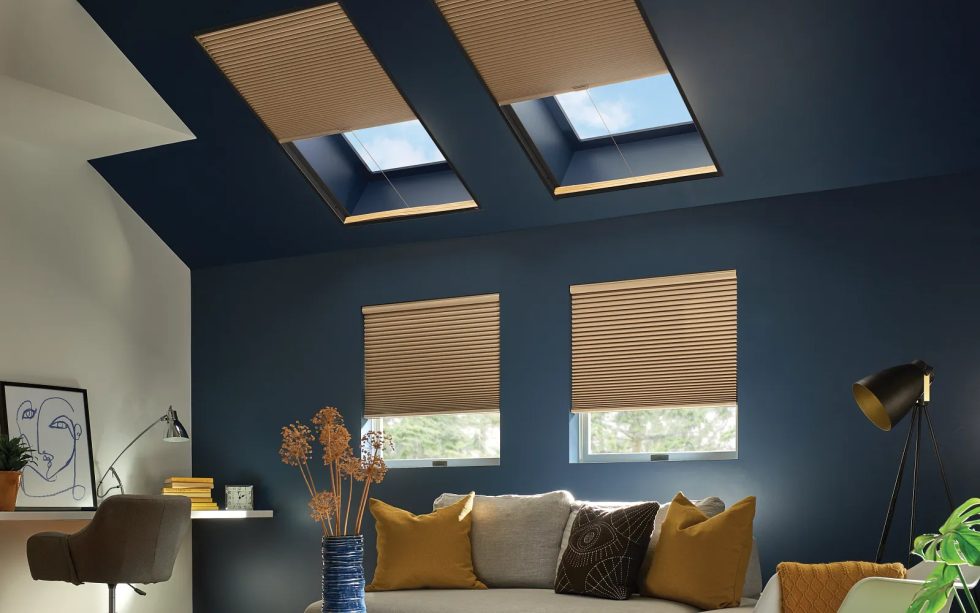
Window treatments are an important part of any home. They do much more than cover windows. The right choice can improve privacy, control natural light, enhance interior design, and even increase energy efficiency. When homeowners begin shopping for window coverings, one of the most common questions is whether to choose blinds or shades. Companies like Eclipse Blinds have helped many homeowners discover that both options offer unique benefits, and the best choice depends on individual needs, style preferences, and budget.
Although blinds and shades may seem similar at first glance, they differ significantly in design, functionality, maintenance requirements, and overall appearance. Understanding these differences can help you make a confident decision and create a comfortable living environment.
This guide explores the key factors to consider when choosing between blinds and shades and explains how each option can benefit your home.
Understanding the Difference Between Blinds and Shades
Before comparing the two options, it is important to understand what makes them different.
What Are Blinds?
Blinds are window coverings made from horizontal or vertical slats. These slats can be tilted, raised, or lowered to control light and privacy.
Common materials include:
- Wood
- Faux wood
- Aluminum
- Vinyl
- Composite materials
Because the slats can be adjusted, blinds offer flexible light control throughout the day.
What Are Shades?
Shades are made from a continuous piece of fabric or similar material. Instead of slats, shades raise and lower as a single unit.
Popular shade styles include:
- Roller shades
- Cellular shades
- Roman shades
- Solar shades
- Pleated shades
Shades often provide a softer and more decorative appearance compared to blinds.
Consider Your Desired Light Control
Light control is one of the most important factors when selecting window treatments.
Advantages of Blinds
Blinds offer exceptional flexibility because the slats can be tilted at different angles.
Benefits include:
- Precise light adjustment
- Reduced glare
- Better visibility while maintaining privacy
- Ability to direct sunlight
For homeowners who want maximum control over natural light, blinds are often the preferred choice.
Advantages of Shades
Shades typically offer less adjustable light control because they function as a solid piece of material.
However, modern shade options are available in different opacity levels:
- Sheer
- Light-filtering
- Room-darkening
- Blackout
These choices allow homeowners to customize the amount of light entering a room.
Evaluate Privacy Needs
Privacy requirements vary depending on the room and location of the home.
Blinds and Privacy
Blinds allow homeowners to adjust slats to maintain privacy while still allowing some natural light inside.
This feature is particularly useful in:
- Living rooms
- Home offices
- Street-facing rooms
Shades and Privacy
Many shades provide excellent privacy when fully lowered.
Blackout and room-darkening shades are especially popular in:
- Bedrooms
- Nurseries
- Media rooms
If complete privacy is a priority, shades often provide superior coverage.
Think About Energy Efficiency
Window treatments can have a significant impact on indoor temperatures and energy costs.
How Blinds Affect Energy Efficiency
Blinds can help reduce heat gain by reflecting sunlight away from windows.
Certain materials, such as faux wood and composite blinds, offer additional insulation benefits.
How Shades Improve Energy Efficiency
Many shades are specifically designed for energy savings.
Cellular shades, also known as honeycomb shades, contain air pockets that help insulate windows.
Benefits include:
- Reduced heat loss during winter
- Lower cooling costs during summer
- Improved indoor comfort
For homeowners focused on energy efficiency, cellular shades are often one of the best options available.
Match the Style of Your Home
Window treatments contribute significantly to the overall appearance of a room.
Blinds for Traditional and Modern Spaces
Blinds offer a clean and structured appearance.
They work particularly well in:
- Contemporary homes
- Home offices
- Kitchens
- Minimalist interiors
Wood blinds can also complement traditional and rustic décor styles.
Shades for Soft Elegance
Shades often create a warmer and more inviting atmosphere.
They are available in a wide variety of:
- Colors
- Textures
- Fabrics
- Patterns
Roman shades and woven shades can add sophistication and visual interest to living spaces.
Consider Maintenance Requirements
Cleaning and maintenance are important considerations for busy households.
Maintaining Blinds
Blinds can collect dust on individual slats.
Cleaning typically involves:
- Dusting
- Wiping slats
- Occasional deep cleaning
Although cleaning each slat can take time, most blind materials are highly durable.
Maintaining Shades
Shades generally have fewer surfaces where dust can accumulate.
Many shades require only:
- Light vacuuming
- Spot cleaning
- Occasional professional cleaning
Fabric shades may require extra care depending on the material.
Compare Durability
Durability is particularly important in homes with children and pets.
Durability of Blinds
Blinds made from high-quality materials can last for many years.
Popular durable options include:
- Faux wood blinds
- Aluminum blinds
- Composite blinds
However, individual slats can bend or break if handled roughly.
Durability of Shades
The durability of shades depends largely on fabric quality.
Premium shades are highly durable and can withstand daily use for years.
Motorized shades often experience less wear because they eliminate manual operation.
Evaluate Safety Features
Safety is a critical consideration for families with young children and pets.
Cordless Blinds
Many modern blinds are available with cordless lift systems.
Benefits include:
- Improved safety
- Cleaner appearance
- Easier operation
Cordless Shades
Cordless shades are increasingly popular due to their simplicity and safety.
Motorized options provide even greater convenience while eliminating exposed cords altogether.
Consider Smart Home Integration
Technology has transformed the window treatment industry.
Both blinds and shades can now be integrated into smart home systems.
Features may include:
- Remote control operation
- Smartphone apps
- Voice assistant compatibility
- Automated schedules
Motorized shades are particularly popular in modern smart homes because they combine convenience with elegant design.
Think About Room Function
Different rooms often benefit from different types of window treatments.
Living Rooms
Both blinds and shades work well in living rooms.
Choose based on:
- Desired style
- Privacy needs
- Lighting preferences
Bedrooms
Many homeowners prefer blackout shades because they provide maximum darkness and privacy.
Kitchens
Blinds are often popular in kitchens because they are easy to clean and resistant to moisture.
Home Offices
Blinds offer excellent glare control, making them ideal for workspaces with computer screens.
Understand Cost Differences
Budget plays an important role in the decision-making process.
Cost of Blinds
Blinds are available across a wide range of price points.
Factors affecting cost include:
- Material
- Size
- Customization
- Installation requirements
Vinyl and aluminum blinds are often among the most affordable options.
Cost of Shades
Shades can vary significantly in price depending on:
- Fabric quality
- Style
- Features
- Motorization
Cellular and motorized shades generally cost more but may provide additional long-term value.
Explore Customization Options
Customization allows homeowners to create window treatments that perfectly suit their spaces.
Custom Blinds
- Customization options include:
- Material selection
- Slat size
- Color choices
- Decorative valances
Custom Shades
Shades offer extensive design flexibility.
- Options may include:
- Fabric patterns
- Opacity levels
- Decorative trims
- Motorized controls
Custom window treatments can enhance both functionality and aesthetics.
Common Mistakes to Avoid
Many homeowners make avoidable mistakes when selecting window coverings.
Choosing Based Only on Appearance
Style is important, but functionality should always be considered.
Ignoring Room Conditions
Sun exposure, moisture levels, and room usage should influence your decision.
Overlooking Energy Efficiency
Window treatments can impact utility costs and overall comfort.
Failing to Measure Correctly
Accurate measurements are essential for proper fit and appearance.
Not Considering Long-Term Needs
Think about durability, maintenance, and future lifestyle changes before making a final choice.
Which Option Is Best?
There is no universal answer because every home is different.
Blinds may be the better choice if you want:
- Adjustable light control
- A structured appearance
- Easy cleaning
- Cost-effective solutions
- Shades may be ideal if you prefer:
- Soft aesthetics
- Enhanced insulation
- Greater privacy
- Decorative fabric options
Many homeowners even combine blinds and shades in different rooms to maximize the benefits of both.
Frequently Asked Questions
Are blinds or shades better for privacy?
Both can provide privacy, but blackout and room-darkening shades typically offer the highest level of coverage.
Which option is more energy efficient?
Cellular shades are generally considered one of the most energy-efficient window treatment options.
Are blinds easier to clean than shades?
Blinds are durable and easy to wipe down, while shades often require less frequent cleaning but may need special care depending on the fabric.
Do shades cost more than blinds?
In many cases, shades can be more expensive, especially if they feature premium fabrics or motorized systems.
Can I use both blinds and shades in the same home?
Yes. Many homeowners choose different window treatments for different rooms based on their specific needs and preferences.
Conclusion
Choosing between blinds and shades involves balancing style, functionality, privacy, energy efficiency, and budget. Both options offer valuable advantages and can dramatically improve the comfort and appearance of your home. By carefully evaluating your needs and considering how each room is used, you can select window treatments that provide long-term satisfaction and value. Whether you prefer the versatility of blinds or the elegance of shades, taking time to compare your options will help you make the best investment for your home. For additional inspiration and professional guidance on window coverings, homeowners can explore solutions available through eclipseblindstn.com.
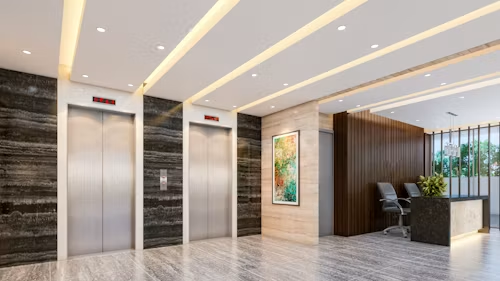
Modern homes are designed around comfort, convenience, and long-term usability. As houses become larger and more families plan for aging in place, accessibility is becoming an important part of residential design. A home elevator can provide an efficient way to move between floors while adding practical value to a property. It is no longer viewed only as a luxury feature for large estates. With different sizes, designs, and installation options available, residential elevators can be adapted to many types of homes.
For homeowners considering this type of improvement, CHS Elevators provides residential elevator solutions in South Carolina, including installations for new construction and existing properties. Understanding the benefits, design considerations, and installation process can help homeowners make informed decisions before adding an elevator to their residence.
Better Accessibility Throughout the Home
One of the biggest advantages of a residential elevator is improved accessibility. Stairs can become difficult for people with mobility limitations, older adults, or anyone recovering from an injury. Moving between multiple floors may require significant physical effort, especially when the home contains bedrooms, bathrooms, laundry areas, or living spaces on different levels.
An elevator creates a convenient connection between floors. Instead of relying entirely on stairs, residents can move vertically with less physical strain. This can make the entire home easier to use and more comfortable for different members of the household.
Accessibility is also useful for visitors. A home that accommodates different mobility needs can provide a more welcoming environment for relatives and friends.
Supporting Aging in Place
Many homeowners want to remain in their current homes for as long as possible. However, a house that works well for a young family may become less practical as residents get older. Stairs are one of the most obvious challenges.
Installing an elevator during a major renovation or new construction project can help prepare a property for future needs. A homeowner may not need the elevator every day at first, but having it available can make the property more adaptable over time.
This approach is often called aging in place. Instead of moving to a different property solely because stairs have become difficult, homeowners can create an environment that supports changing mobility requirements.
Easier Movement of Heavy Items
Residential elevators are not only useful for people. They can also make everyday household tasks easier.
Carrying groceries upstairs can be inconvenient, particularly when bags are heavy or multiple trips are required. Moving laundry, luggage, boxes, furniture, or other household items between floors can present similar challenges.
An elevator provides a dedicated vertical transportation option. It can reduce the need to carry bulky items on stairs and make certain household activities more manageable.
For larger homes with several floors, this convenience can become particularly noticeable. Even physically capable residents can appreciate having an easier way to transport objects throughout the property.
A Valuable Feature for Multi-Story Homes
The usefulness of an elevator generally increases as the number of floors increases. A two-story home may benefit from an elevator, but properties with three or more levels can make the feature even more practical.
Multi-story homes often separate living spaces according to function. Bedrooms may occupy one level, common areas another, and entertainment or storage spaces a third. An elevator can connect these areas and make the layout easier to navigate.
It can also help homeowners use parts of their property that might otherwise receive less attention because they are difficult to access.
Design Options for Different Homes
A residential elevator does not have to look out of place. Modern elevator systems are available in different styles, materials, finishes, and configurations. This allows homeowners to consider both function and appearance when planning an installation.
For example, an elevator can be designed with finishes that complement existing floors, walls, doors, and furniture. Contemporary homes may suit clean and minimalist designs, while traditional properties can incorporate warmer materials and classic details.
The elevator cab is particularly important because it is the most visible portion of the system. Interior finishes, lighting, controls, doors, and other design elements can influence how naturally the elevator fits into the surrounding architecture.
According to CHS Elevators, residential elevator systems can include customizable finishes and controls designed to blend with a home’s overall style.
Options for New Construction and Existing Homes
Home elevators can be considered at different stages of a property’s life. Installing an elevator during new construction can provide greater flexibility because the shaft, openings, electrical requirements, and other structural elements can be incorporated into the original plans.
However, existing homeowners are not necessarily excluded from the possibility of having an elevator. Retrofitting can be considered when the property has sufficient space and the structure can accommodate the required changes.
A professional site evaluation is important in either situation. The installer can examine available space, floor layouts, structural conditions, travel distance, access points, and other factors before recommending a suitable system.
Planning early can also help prevent unnecessary design changes later.
Understanding Different Elevator Systems
Residential elevators are available in several configurations, and each system can have different space, design, and performance characteristics.
Hydraulic systems use hydraulic power to move the elevator car. They are known for smooth operation and can be suitable for certain larger residential applications.
Traction systems use a motor, ropes, and counterweight arrangement. Depending on the design, traction technology can provide efficient operation for multi-level residences.
Machine-room-less designs can be useful where homeowners want to reduce the amount of dedicated mechanical space required. These systems place important components within or around the elevator structure rather than relying on a separate machine room.
Vacuum elevators represent another approach. Their distinctive design can provide an alternative for certain homes where traditional elevator configurations may not be appropriate.
The right choice depends on the property rather than simply selecting the newest technology. Space availability, home layout, intended use, aesthetics, budget, and project requirements should all be considered.
Safety Should Remain a Priority
Because an elevator transports people between levels, safety should always be a central consideration. Professional planning and installation are important for ensuring that the system is properly designed, installed, tested, and maintained.
South Carolina has regulations governing elevator facilities and safety standards. State regulations reference applicable elevator safety codes for new installations, while the South Carolina Department of Labor, Licensing and Regulation explains permitting and inspection requirements.
Homeowners should therefore work with qualified professionals who understand the applicable requirements. Installation should not be treated as a simple remodeling project. It involves specialized equipment, structural considerations, electrical work, safety systems, and regulatory requirements.
A professional installer can also explain the operating features and recommended maintenance schedule after the project is completed.
Planning the Installation
A successful elevator project begins long before equipment arrives at the property. A detailed consultation allows the homeowner and installer to discuss the home’s layout and the intended purpose of the elevator.
The first stage generally involves evaluating the available space. The installer may identify possible locations and determine how the elevator can connect the desired floors.
The next stage involves selecting an appropriate elevator configuration. Factors such as capacity, dimensions, number of stops, entrance configuration, finishes, controls, and available space can influence the final selection.
Structural and construction requirements must then be considered. Depending on the property, installation may involve modifications to floors, walls, ceilings, doors, or other areas.
Once installation is complete, the elevator should undergo appropriate testing and inspection before regular use.
Maintenance Matters After Installation
Installing an elevator is only the beginning of its useful life. Like other mechanical equipment, a residential elevator benefits from regular professional attention.
Routine maintenance can help identify wear, unusual operation, or developing problems before they become larger concerns. The exact maintenance schedule depends on the equipment, usage, manufacturer requirements, and applicable regulations.
Homeowners should keep documentation related to installation, inspections, maintenance, and repairs. This information can be useful when arranging future service or selling the property.
Keeping the elevator clean and following the manufacturer’s operating instructions can also support reliable everyday use.
Improving Everyday Convenience
Luxury is often associated with appearance, but convenience can be one of the strongest reasons to install a residential elevator. A homeowner may use the elevator several times a day without thinking about it. Over time, these small conveniences can have a meaningful impact on daily routines.
Parents may find it easier to move household items between floors. Older residents can have greater freedom throughout the home. Guests with mobility challenges can access different areas more comfortably. Even simple activities such as carrying laundry can become easier.
In this way, an elevator can become an everyday household feature rather than something used only for special circumstances.
Potential Impact on Property Appeal
Home improvements can influence how attractive a property is to future buyers. An elevator may appeal to buyers who prioritize accessibility, convenience, multi-level living, or long-term usability.
Its value will vary depending on the local housing market, quality of installation, property design, and buyer preferences. It should not be viewed as a guaranteed increase in resale value. Instead, homeowners can consider it as a feature that may differentiate a property from comparable homes.
For buyers thinking about long-term ownership, accessibility can be especially appealing. A well-designed elevator can make a multi-story home more adaptable to different stages of life.
Choosing the Right Location
The location of an elevator can affect both its usefulness and its appearance. Ideally, the elevator should provide convenient access to the areas residents use most frequently.
Some homes may have a natural location near a central hallway or staircase. Other properties may require a more creative solution because of limited floor space.
The elevator should also have practical entry and exit points on every served floor. Homeowners should consider furniture placement, hallway width, doors, lighting, and surrounding circulation when evaluating possible locations.
A professional site assessment can help identify the most practical placement while taking structural and technical requirements into account.
Residential Elevators and Coastal Homes
Homes in coastal South Carolina communities can have unique architectural and environmental considerations. Properties may feature raised designs, multiple levels, outdoor access points, or layouts influenced by the surrounding landscape.
In these situations, an elevator can help connect different levels of the home while supporting convenient access. Outdoor or specially configured elevator solutions may also be considered for certain properties, depending on the design and site conditions.
The specific solution should always be selected based on the property’s structure, local requirements, environmental conditions, and intended use.
Making a Long-Term Investment
A residential elevator represents a significant home improvement, so homeowners should consider both immediate and long-term needs.
Rather than choosing a system based only on appearance, it is useful to think about how the elevator will be used several years from now. Family needs can change. Children grow older, residents age, and mobility requirements can evolve.
Capacity and accessibility should therefore be considered alongside style. The best elevator is one that provides practical value while fitting naturally into the property.
Quality installation is equally important. Even excellent equipment depends on correct planning and professional installation to perform as intended.
Why Professional Guidance Makes a Difference
Every home has different dimensions, construction methods, architectural features, and accessibility requirements. A solution that works perfectly in one property may not be appropriate for another.
Professional elevator specialists can evaluate the home and explain the available options. They can also help homeowners understand project requirements, equipment differences, design choices, and ongoing service considerations.
For homeowners exploring home elevator installation in Johns Island, SC, working with an experienced local provider can make the planning process more straightforward. CHS Elevators focuses on residential elevators and accessibility solutions throughout South Carolina, including Johns Island and surrounding communities.
A Smarter Approach to Multi-Level Living
A home elevator can bring together accessibility, convenience, design, and long-term functionality. It can make multi-story homes easier to navigate, reduce the physical effort involved in moving between floors, and help homeowners prepare for future changes.
The most successful projects begin with careful planning. Homeowners should consider the property’s layout, elevator type, available space, appearance, safety requirements, maintenance needs, and long-term goals before making a decision.
For those considering CHS Elevators, a professional consultation can provide an opportunity to evaluate the property and explore residential elevator options suited to its specific needs. With thoughtful planning and professional installation, a home elevator can become a practical and lasting improvement that makes everyday living more comfortable, accessible, and convenient.


How to Know When Your Roof Needs Replacement
Understanding IPTV Subscriptions for Arabic Entertainment and Streaming
Understanding Personal Injury Claims After an Accident

Key Benefits of Residential Elevators in Modern Homes
The Growing Role of IPTV in Modern Television
The Evolution of University Printing in the Digital Age

How to Reduce Snoring and Sleep Better Every Night

How Physical Therapy Relieves Pelvic Pain

FintechZoom.com: A Smart Resource for Financial News, Investment Education

How to Defend Drug Crime Charges

Tips for Sourcing Bedding Fabrics

Why British Property Investors Are Leveraging U.S. Real Estate Instead of Cashing Out

Guide to Choosing Industrial Portable Radios

Tips for Protecting Your Rights After an Accident

Why Sophisticated Global Investors Are Using Leverage Instead of Cash in U.S. Real Estate

Tips for Choosing Packaging Bags

Tips for Choosing Between Blinds and Shades

Building a Future, Not Just Buying a Home: Why Melbourne Families Are Choosing Smarter Communities

Why Palm Jumeirah Continues to Define the Future of Ultra-Prime Living in Dubai

How to Shop Smart During Festive Sales Without Compromising on Style?

How Child Custody Decisions Are Made In Boston

Streamlining Payroll Processes for Small Teams

The Future of Waterfront Luxury: Why Hudayriyat Island is Abu Dhabi’s Premier Investment Hub

Why Expanding Game Libraries Is Important for Digital Casinos

Identifying 3463215186: A Guide to Numeric Security

Incestfl8x: System Update and Performance Framework

белочкш: Meaning, Context, and Its Role in Digital Expression

BetterThisWorldcom: A Comprehensive Guide to Personal Growth

Stocks BetterThisWorld: Learn Investing With Calm Focus And Purpose

Betterthisfacts Tips from Betterthisworld: Practical Guide to Smarter Living and Everyday Success

Betterthisfacts Tips by Betterthisworld: Practical Insights for Smarter Daily Living

ABCBetting AG New Site: Official Access and Platform Guide

Money BetterThisWorld: Financial Growth Mindful Living and Personal Empowerment

BetterThisWorld.com Your Source for Motivation Money Guidance Tech Insights and Modern Living

Irobux Login: Accessing Features & Account Security Tips

Charutbaye: Exploring Cultural Significance and Heritage

Sryzvduebbcylzk: Meaning, Structure, and Digital Use Explained

Guide to Understanding the Error 8379xnbs8e02328ws Code

BTWradiovent event by BetterThisWorld

Why Eurothits Is Gaining Attention in Today’s Digital Environment

BetterThisWorld Stocks | Sustainable Market Growth 2026

BetterThisWorld Business: Redefining Impact in the Modern Era

Python 54axhg5: Programming Guide for Modern Development

Blog ThriftyEventsNet: Smart Guide to Budget Friendly Events and Planning

Betterthisworld.com Success: Modern Roadmap to Growth & Achievement

Gaming Vivid2201 Patches: Updates Improvements and Player Experience

Betterthisworld Business: Guide to Smart Growth and Modern Success

The Endless Barrel Roll Challenge: Exploring the Internet’s Wildest Gaming Stunt

Better ThisWorld.com: Exploring Purpose Driven Digital Content