Legal
How to Defend Drug Crime Charges

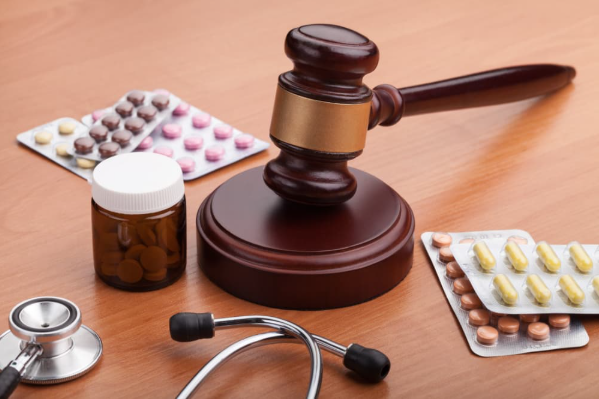
Facing a drug crime charge can be one of the most stressful experiences in a person’s life. A conviction may result in jail or prison time, significant fines, probation, and a permanent criminal record that affects employment, education, housing, and personal relationships. Because the consequences can be severe, understanding your legal rights and building a strong defense are essential. Seeking guidance from experienced professionals such as The Dance Firm can help individuals better understand the legal process and the defense strategies available in felony drug offense cases.
Every criminal case is different, and the prosecution must prove guilt beyond a reasonable doubt. This means there are often opportunities for the defense to challenge evidence, question police procedures, or demonstrate that the accused did not commit the alleged offense. Learning about these possibilities can help defendants make informed decisions during a difficult time.
Understanding Drug Crime Charges
Drug crimes involve violations of state or federal laws regulating controlled substances. The severity of a charge depends on several factors, including the type of drug, the amount involved, prior criminal history, and whether authorities believe the drugs were intended for personal use or distribution.
Common drug-related offenses include:
Drug possession
Possession with intent to distribute
Drug trafficking
Drug manufacturing
Prescription drug fraud
Drug conspiracy
Distribution of controlled substances
Felony drug offenses typically carry much harsher penalties than misdemeanors. In many jurisdictions, felony convictions may result in lengthy prison sentences, substantial financial penalties, mandatory rehabilitation programs, and long-term supervision after release.
Why Legal Representation Matters
Drug laws are complex and constantly evolving. A knowledgeable criminal defense attorney understands constitutional protections, criminal procedures, and evidentiary rules that can significantly impact a case.
Legal representation may help by:
Protecting constitutional rights
Examining police conduct
Negotiating with prosecutors
Identifying weaknesses in the prosecution’s evidence
Seeking reduced charges
Preparing for trial if necessary
Without proper legal guidance, defendants may unknowingly waive important rights or accept unfavorable plea agreements.
Know Your Constitutional Rights
One of the most important aspects of any criminal defense is understanding constitutional protections.
Protection Against Illegal Searches
The Fourth Amendment protects individuals against unreasonable searches and seizures. Law enforcement generally needs a valid warrant or a legally recognized exception before searching a person, vehicle, or home.
If officers violate search and seizure laws, evidence collected during the search may become inadmissible in court.
Right to Remain Silent
Individuals arrested for a drug offense have the right to remain silent. Anything said during questioning may later be used as evidence.
Remaining calm and requesting an attorney before answering questions is often one of the safest decisions.
Right to Legal Counsel
Everyone accused of a crime has the right to consult with an attorney before making important legal decisions. Early legal advice can prevent mistakes that may negatively affect the outcome of the case.
Common Defense Strategies
No single defense works for every case. Attorneys evaluate the facts carefully before developing the most effective legal strategy.
Challenging Illegal Searches
If evidence was obtained through an unlawful search, the defense may file a motion to suppress that evidence.
Examples include:
Invalid search warrants
Warrantless home searches without consent
Illegal vehicle searches
Improper traffic stops
Unlawful searches of personal belongings
When key evidence is excluded, prosecutors may struggle to prove their case.
Lack of Possession
Simply being near illegal drugs does not automatically prove possession.
Prosecutors generally must establish that the defendant knowingly possessed or controlled the drugs.
For example:
Drugs found inside a shared vehicle
Drugs discovered in a shared apartment
Drugs belonging to another individual
The defense may argue the accused had no knowledge of the controlled substance.
Insufficient Evidence
Criminal convictions require proof beyond a reasonable doubt.
Defense attorneys frequently challenge:
Weak witness testimony
Missing evidence
Inconsistent police reports
Laboratory testing procedures
Chain of custody errors
Even small inconsistencies may create reasonable doubt.
Mistaken Identity
Witnesses sometimes identify the wrong individual.
Factors affecting identification include:
Poor lighting
Stressful situations
Distance
Brief encounters
Cross-racial identification challenges
Video evidence, phone records, or alibi witnesses may demonstrate mistaken identity.
Questioning Police Procedures
Police officers must follow established legal procedures throughout an investigation.
Defense attorneys may investigate whether officers:
Properly handled evidence
Followed arrest procedures
Respected constitutional rights
Conducted lawful interrogations
Preserved surveillance footage
Followed departmental policies
Procedural mistakes can significantly weaken the prosecution’s case.
Examining Laboratory Evidence
Drug crime prosecutions often rely heavily on laboratory testing.
However, laboratory evidence is not always perfect.
Possible issues include:
Sample contamination
Testing errors
Mislabeling
Equipment malfunction
Human error
Incomplete documentation
Independent experts may review testing procedures to verify the prosecution’s findings.
Challenging Intent to Distribute
One important distinction in many cases is whether drugs were intended for personal use or distribution.
Prosecutors often rely on evidence such as:
Packaging materials
Digital scales
Large amounts of cash
Communications
Quantity of controlled substances
The defense may argue that these circumstances do not necessarily prove an intent to distribute.
The Importance of Early Action
The earliest stages of a criminal case are often the most important.
Prompt legal action allows attorneys to:
Preserve evidence
Interview witnesses
Obtain surveillance footage
Review police reports
Analyze forensic evidence
Identify constitutional violations
Waiting too long may make certain evidence difficult or impossible to obtain.
Plea Bargains Versus Trial
Not every criminal case goes to trial.
Depending on the circumstances, prosecutors may offer plea agreements that reduce charges or penalties.
Factors influencing this decision include:
Strength of the evidence
Prior criminal history
Seriousness of the alleged offense
Defendant’s goals
Potential sentencing risks
An experienced defense attorney helps clients understand both the advantages and disadvantages before making this important decision.
Potential Consequences of a Conviction
Drug convictions often affect much more than incarceration.
Possible long-term consequences include:
Employment difficulties
Professional licensing issues
Housing restrictions
Educational barriers
Immigration consequences
Financial hardship
Loss of certain civil rights
Understanding these consequences highlights why building a strong legal defense is so important.
Steps to Take After an Arrest
If arrested for a drug offense, individuals should:
- Remain calm.
- Exercise the right to remain silent.
- Avoid discussing the case with others.
- Do not consent to additional searches.
- Preserve any potential evidence.
- Contact an experienced criminal defense attorney immediately.
- Follow all court requirements.
- Taking these steps can help protect important legal rights.
Avoid Common Mistakes
Many defendants unintentionally damage their own cases.
Common mistakes include:
Talking excessively with investigators
Posting about the case on social media
Destroying potential evidence
Ignoring court appearances
Violating release conditions
Speaking with alleged witnesses without legal advice
Avoiding these errors can strengthen the overall defense strategy.
Building a Strong Defense
Successful criminal defense requires careful preparation.
Attorneys often:
Analyze every piece of evidence
Review police body camera footage
Consult forensic experts
Cross-examine witnesses
Challenge unreliable testimony
Develop alternative explanations
Prepare persuasive courtroom arguments
Every detail matters when protecting a client’s rights.
Conclusion
Drug crime allegations should never be taken lightly. Whether the charge involves simple possession or a serious felony offense, the legal process can be complicated and the consequences long-lasting. Understanding constitutional rights, examining every piece of evidence, and working with experienced legal counsel are critical steps toward achieving the best possible outcome.
Individuals facing serious allegations can benefit from learning more about felony drug offense defense through The Dance Firm. Obtaining qualified legal guidance early in the process can make a significant difference when protecting one’s future, freedom, and legal rights.

Introduction
Being involved in an accident can be one of the most stressful experiences a person faces. Whether it’s a car accident, motorcycle collision, truck crash, or another type of personal injury incident, the moments following an accident often feel overwhelming and confusing. During this difficult time, the actions you take can significantly impact your health, finances, and ability to recover compensation for your losses. Many accident victims seek guidance from Solomon Law SC to better understand their legal options and protect their rights throughout the claims process.
Unfortunately, many people unknowingly make mistakes after an accident that can weaken their claim or reduce the compensation they may be entitled to receive. Insurance companies often begin investigating immediately, and anything you say or do can potentially be used against you later.
Understanding how to protect your rights after an accident is essential. This guide covers practical tips that can help you safeguard your interests, preserve important evidence, and make informed decisions during the recovery process.
Prioritize Your Safety First
The first and most important step after any accident is ensuring everyone’s safety.
If possible:
- Move to a safe location.
- Turn on hazard lights.
- Check yourself and others for injuries.
- Call emergency services if necessary.
Even if injuries appear minor, it’s important to take the situation seriously. Some injuries may not show symptoms immediately, and delaying medical attention can create additional health risks.
Remaining calm and focused can help you make better decisions during the initial aftermath of an accident.
Contact Law Enforcement
Many accident victims underestimate the importance of contacting the police.
An official police report can provide:
- Objective documentation of the accident
- Details about involved parties
- Witness information
- Initial observations from responding officers
This report often becomes an important piece of evidence when filing an insurance claim or pursuing legal action.
Always cooperate with law enforcement officers, but avoid guessing or speculating about what caused the accident.
Stick to factual information when answering questions.
Seek Medical Attention Immediately
One of the most important ways to protect your rights is to obtain medical care as soon as possible.
Even if you feel fine initially, some injuries may take hours or days to become noticeable, including:
- Whiplash
- Concussions
- Internal injuries
- Soft tissue damage
- Back injuries
Prompt medical treatment serves two important purposes:
Protecting Your Health
Medical professionals can identify injuries that may not be immediately obvious.
Creating Medical Documentation
Medical records establish a connection between the accident and your injuries.
Without proper documentation, insurance companies may argue that your injuries were unrelated or less serious than claimed.
Follow all treatment recommendations and attend scheduled appointments.
Gather Evidence at the Scene
Evidence can disappear quickly after an accident.
If your condition allows, collect as much information as possible.
Helpful evidence includes:
Photographs
Take pictures of:
- Vehicle damage
- Road conditions
- Traffic signs
- Skid marks
- Visible injuries
- Weather conditions
Contact Information
Obtain names, phone numbers, and addresses from:
- Drivers
- Passengers
- Witnesses
Insurance Details
Exchange insurance information with other involved parties.
Comprehensive documentation can strengthen your claim significantly.
Avoid Admitting Fault
Many people instinctively apologize after an accident, even when they are not responsible.
Statements such as:
- “I’m sorry.”
- “I didn’t see you.”
- “It was my fault.”
can potentially be interpreted as admissions of liability.
Instead, focus on exchanging information and cooperating with authorities.
Allow investigators, insurance companies, and legal professionals to determine fault based on evidence.
Be Careful When Speaking with Insurance Companies
Insurance adjusters may contact you shortly after an accident.
While cooperation is important, remember that insurance companies are businesses focused on minimizing payouts.
Consider these precautions:
Stick to Facts
Provide basic information without speculation.
Avoid Recorded Statements
In some situations, recorded statements may be used to challenge your claim later.
Do Not Accept Immediate Settlement Offers
Early settlement offers may not fully account for:
- Medical expenses
- Future treatment costs
- Lost wages
- Pain and suffering
Carefully review any offer before agreeing to a settlement.
Keep Detailed Records
Strong documentation can make a significant difference during the claims process.
Maintain records of:
- Medical bills
- Prescriptions
- Doctor visits
- Lost income
- Repair estimates
- Insurance correspondence
Creating an organized file helps ensure important information remains accessible when needed.
Detailed records can also help establish the full extent of your damages.
Follow Medical Advice
Failing to follow prescribed treatment can hurt both your recovery and your claim.
Insurance companies may argue that:
- Your injuries were not serious.
- You failed to minimize damages.
- Your condition worsened because you ignored medical advice.
Attend appointments, complete therapy sessions, and follow your healthcare provider’s recommendations whenever possible.
Consistency strengthens both your physical recovery and legal position.
Limit Social Media Activity
Social media can create unexpected challenges after an accident.
Insurance companies may review posts, photos, and comments looking for information that contradicts your claim.
For example:
- Vacation photos
- Exercise activities
- Physical tasks
could be used to question the severity of your injuries.
Consider limiting social media use while your claim remains active.
Avoid discussing the accident online.
Understand the Value of Your Claim
Many accident victims focus only on immediate expenses.
However, compensation may include:
Medical Expenses
Current and future treatment costs.
Lost Wages
Income missed during recovery.
Reduced Earning Capacity
Future income losses caused by permanent injuries.
Property Damage
Vehicle repairs or replacement costs.
Pain and Suffering
Physical and emotional effects of the accident.
Understanding all potential damages helps prevent accepting inadequate settlements.
Know the Filing Deadlines
Every state has legal deadlines for filing personal injury claims.
Missing these deadlines can result in losing the ability to pursue compensation.
The specific timeframe depends on:
- State laws
- Type of accident
- Parties involved
Acting promptly helps preserve important evidence and protects your legal rights.
Consult an Experienced Attorney
While not every accident requires legal representation, serious accidents often involve complex legal and insurance issues.
An attorney may assist with:
- Investigating the accident
- Gathering evidence
- Negotiating settlements
- Communicating with insurers
- Protecting legal rights
Legal guidance can be especially valuable when injuries are severe or liability is disputed.
Common Mistakes to Avoid
Accident victims frequently make mistakes that negatively affect their claims.
Avoid:
- Delaying medical treatment
- Admitting fault
- Giving unnecessary statements
- Accepting quick settlements
- Ignoring doctor recommendations
- Posting accident details online
- Missing legal deadlines
Awareness of these common errors can help strengthen your position.
Long-Term Benefits of Protecting Your Rights
Protecting your rights after an accident is about more than securing compensation.
It also helps ensure:
- Access to necessary medical care
- Financial stability during recovery
- Accountability for negligent parties
- Peace of mind during a difficult period
Taking proactive steps early often leads to better outcomes later.
Conclusion
Accidents can create physical, emotional, and financial challenges, but knowing how to protect your rights can make a significant difference in the outcome of your case. Seeking medical attention, preserving evidence, communicating carefully with insurance companies, and maintaining detailed records are all important steps toward protecting your interests. Individuals dealing with serious accident claims can also benefit from seeking guidance from solomonlawsc.com to better understand their options and pursue fair compensation for their injuries and losses.

How to Defend Drug Crime Charges

Tips for Sourcing Bedding Fabrics

Why British Property Investors Are Leveraging U.S. Real Estate Instead of Cashing Out

Guide to Choosing Industrial Portable Radios

Tips for Protecting Your Rights After an Accident

Why Sophisticated Global Investors Are Using Leverage Instead of Cash in U.S. Real Estate

Tips for Choosing Packaging Bags

Tips for Choosing Between Blinds and Shades

Building a Future, Not Just Buying a Home: Why Melbourne Families Are Choosing Smarter Communities

Why Palm Jumeirah Continues to Define the Future of Ultra-Prime Living in Dubai

How to Shop Smart During Festive Sales Without Compromising on Style?

How Child Custody Decisions Are Made In Boston

Streamlining Payroll Processes for Small Teams

The Future of Waterfront Luxury: Why Hudayriyat Island is Abu Dhabi’s Premier Investment Hub

Why Expanding Game Libraries Is Important for Digital Casinos

Identifying 3463215186: A Guide to Numeric Security

Robthecoins Business: Leading Innovation in Digital Commerce

Best Management Tips Ftasiastock for Business Growth

How to Fix Connectivity Issues HSSGamepad Fast

Contact Spring Hillmed Group: Medical Support and Access

Matching family Easter outfits are stealing the spotlight

Fintechzoom.com.au: Navigating the 2026 Australian Digital Finance Revolution

Temey_07: Future of Digital Content and Strategy

Tomleonessa679: Deep Dive into Digital Identity Management

Michaelmukhin1: Exploring Digital Strategy and Innovation

Incestfl8x: System Update and Performance Framework

белочкш: Meaning, Context, and Its Role in Digital Expression

Betterthisfacts Tips by Betterthisworld: Practical Insights for Smarter Daily Living

Money BetterThisWorld: Financial Growth Mindful Living and Personal Empowerment

BTWradiovent event by BetterThisWorld

Stocks BetterThisWorld: Learn Investing With Calm Focus And Purpose

BetterThisWorld.com Your Source for Motivation Money Guidance Tech Insights and Modern Living

Betterthisworld Business: Guide to Smart Growth and Modern Success

The Endless Barrel Roll Challenge: Exploring the Internet’s Wildest Gaming Stunt

Gaming Vivid2201 Patches: Updates Improvements and Player Experience

BetterThisWorldcom: A Comprehensive Guide to Personal Growth

Slothokiturbo.net 683786714: Exploring the Platform and Its Features

Irobux Login: Accessing Features & Account Security Tips

Helpful Guide Convwbfamily: Care Understanding and Practical Wisdom

BetterThisWorld BetterThisTechs News: Tech Trends and Digital Innovation

www BetterThisWorld com: Guide to the Platform of Growth and Self-Improvement

BTWLetterNews By BetterThisWorld Website

The Transformative Potential of Gaming: An Overview from BetterThisWorld

Geekzilla Tio Geek: The Ultimate Tech and Culture Platform

Better ThisWorld.com: Exploring Purpose Driven Digital Content

Python 54axhg5: Programming Guide for Modern Development

TGArchiveConsole Set Up: Guide for Easy Installation and Smooth Use

Betterthiscosmos Posts Betterthisworld: Ideas Growth and Universal Inspiration

The Online Gaming Event PBLGamevent