Business
PLG Supplies: Optimizing Your Product-Led Growth Strategy

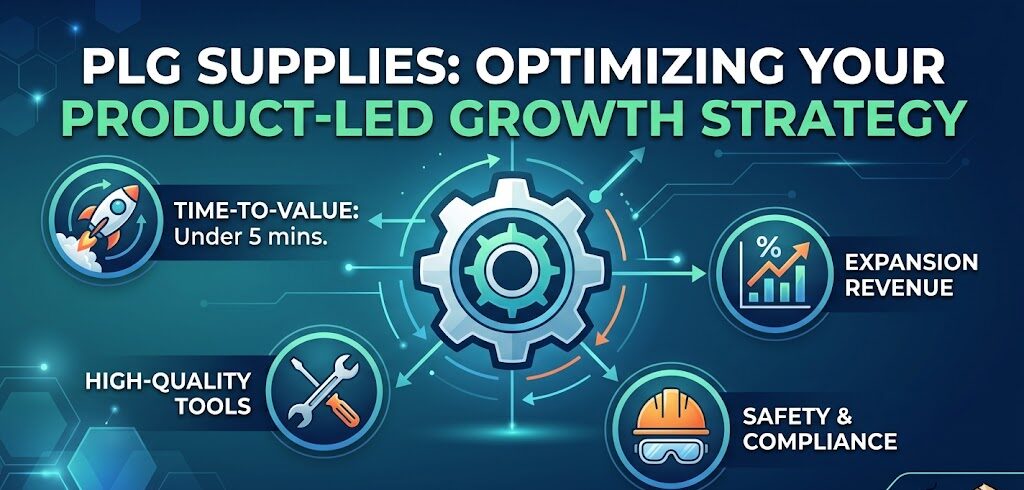
The landscape of modern software distribution has shifted dramatically from traditional top-down sales cycles to a user-centric model. This evolution requires a specific set of tools and foundational elements often categorized as plg supplies. These are not physical goods but rather the digital infrastructure, data analytics, and user experience frameworks that allow a product to sell itself. In a product-led growth environment, the product is the primary driver of customer acquisition, conversion, and expansion. For this to work, teams must ensure that every touchpoint within the application provides immediate value, reducing the friction that typically exists between a user’s initial sign-up and their first “aha” moment.
Managing these resources effectively means balancing automation with personalization. High-quality plg supplies include everything from robust in-app messaging systems to sophisticated billing engines that can handle usage-based pricing. Without these components, a company might struggle to maintain the seamless experience that users expect. Success in this domain isn’t just about having a great product; it’s about having the underlying support systems that allow that product to scale across thousands of users without a proportional increase in manual overhead.
Establishing a Foundation for Seamless User Onboarding
The initial interaction a user has with a software platform dictates the trajectory of their entire lifecycle. To ensure long-term retention, the onboarding process must be intuitive and frictionless. This involves removing unnecessary form fields, providing clear directional cues, and ensuring that the most valuable features are accessible within minutes of the first login. A successful start is built on the premise that the user should be able to navigate the interface with minimal guidance.
By utilizing interactive walkthroughs and progress trackers, companies can guide users through complex workflows without overwhelming them. The goal is to facilitate self-discovery. When a user feels empowered to explore and succeed on their own, their affinity for the tool grows. This self-serve approach reduces the burden on customer success teams and allows the platform to grow organically. Every element of the interface should serve a specific purpose, leading the user toward a repeatable action that reinforces the product’s core utility.
Leveraging Data Analytics for Behavioral Insights
Understanding how individuals interact with a platform is the cornerstone of any growth strategy. Granular data collection allows teams to identify where users are dropping off and which features are driving the most engagement. By analyzing clickstream data and session recordings, developers can pinpoint bottlenecks in the user journey. This level of insight is necessary for making informed decisions about feature updates and UI adjustments.
Beyond simple metrics like daily active users, sophisticated teams look at “feature breath” and “feature depth.” This reveals whether users are exploring the full range of the tool or sticking to a single function. Predictive modeling can also be used to identify accounts that are likely to churn or those that are ready for an upgrade. When data is integrated across the organization, it creates a single source of truth that aligns marketing, product, and engineering efforts toward the same growth objectives.
Streamlining the Path to Value Realization
The time it takes for a user to realize the value of a service is a critical metric. In a competitive market, users have little patience for steep learning curves. Reducing this window requires a focused effort on highlighting “quick wins.” These are small, impactful actions that demonstrate the product’s potential immediately. Whether it is syncing a calendar, uploading a file, or creating a first report, these milestones should be celebrated within the UI.
To speed up this process, many platforms use templates or pre-filled environments. This “empty state” problem is often the biggest hurdle in software adoption. By providing a starting point, the platform lowers the cognitive load required to get started. When a user sees immediate results, they are far more likely to invest more time and eventually transition from a free tier to a paid subscription.
Designing for Virality and Network Effects
A product that grows on its own often has built-in mechanisms for sharing and collaboration. When the value of a tool increases as more people use it, a powerful feedback loop is created. This can be as simple as a “refer a friend” button or as complex as a collaborative workspace where multiple stakeholders must participate to complete a task. Designing for these interactions ensures that every new user has the potential to bring in several more.
Strategic placement of sharing triggers can significantly lower the cost of customer acquisition. For instance, if a tool generates a report or a graphic, including a small watermark or a “powered by” link can turn every output into an advertisement. Furthermore, allowing users to invite team members with a single click streamlines the expansion within an organization. This bottom-up adoption often bypasses traditional procurement hurdles, as the team is already using and relying on the tool before a formal contract is signed.
Implementing Scalable Communication Channels
Effective communication within a product-led model is proactive rather than reactive. Instead of waiting for a user to reach out to support, the system should anticipate their needs based on their behavior. Automated triggers can send helpful tips when a user gets stuck or congratulate them when they reach a milestone. These messages should be contextual and non-intrusive, appearing as a natural part of the user experience.
Email remains a powerful tool for re-engagement, but it must be synchronized with in-app activity. If a user hasn’t logged in for a few days, a well-timed “we miss you” email featuring a new update can bring them back. Conversely, if a user is highly active, they might receive an invitation to join a community forum or a beta testing group. This multi-channel approach ensures that the brand stays top-of-mind without becoming a nuisance, fostering a sense of community and support.
Optimizing the Conversion and Expansion Funnel
The transition from a free user to a paying customer should be a logical next step, not a high-pressure sales pitch. Transparent pricing models, such as freemium or usage-based tiers, allow users to grow at their own pace. By placing premium features behind a “paywall” that users encounter during their natural workflow, companies can drive conversions at the exact moment the need arises. This “just-in-time” monetization is highly effective because it addresses a specific pain point.
Expansion is equally important. Once a customer is in the ecosystem, the goal is to increase their lifetime value. This can be achieved through seat expansion, where more team members are added, or through feature upsells. Monitoring usage patterns helps identify when an account has outgrown its current plan. Reaching out with a tailored offer at this stage feels like a helpful suggestion rather than a cold call, reinforcing the partnership between the provider and the user.
Cultivating Long-Term Retention and Loyalty
Retention is the ultimate validation of a product’s worth. In a world where switching costs are often low, maintaining a loyal user base requires constant innovation and a deep commitment to user satisfaction. Regularly soliciting feedback through surveys or focus groups helps the product team stay aligned with evolving market needs. When users feel heard, they are more likely to stay committed to the platform even when competitors emerge.
Building a community around the product can also serve as a powerful retention tool. Whether through online forums, user groups, or annual conferences, providing a space for users to connect and share best practices creates a sense of belonging. This ecosystem of advocates becomes a moat for the business. As users become experts in the tool, the “learned behavior” makes them less likely to switch to a different solution, ensuring a stable and predictable revenue stream for years to come.
Comparison of Growth Models
| Feature | Sales-Led Growth | Product-Led Growth |
| Primary Driver | Sales Representatives | The Product Itself |
| Customer Acquisition | Outbound Marketing/Cold Calls | Inbound/Self-Serve Signups |
| Pricing | Often Hidden/Negotiated | Transparent/Usage-Based |
| User Onboarding | Human-Led Training | Automated/Self-Guided |
| Sales Cycle | Long (Months) | Short (Minutes/Days) |
FAQs
What are the primary benefits of using plg supplies in a business model?
They allow for rapid scaling by reducing the need for large sales and support teams. By automating the journey from signup to conversion, companies can handle a much higher volume of users with greater efficiency.
How does a product-led approach impact the customer experience?
It puts the user in control. Instead of being “sold to,” the user explores the product at their own pace, finding value through direct experience. This usually leads to higher satisfaction and a more intuitive interface.
Can traditional companies transition to this model?
Yes, but it requires a cultural shift. It involves moving away from high-pressure sales and focusing on product excellence, data-driven decision-making, and self-service infrastructure.
Conclusion
The transition toward a product-led strategy represents a fundamental shift in how value is delivered and captured in the digital age. By focusing on the quality and accessibility of plg supplies, organizations can build sustainable, scalable businesses that resonate with the modern consumer. This approach prioritizes the user’s experience above all else, ensuring that the software provides tangible benefits from the very first interaction. When the product is designed to facilitate its own growth, the role of marketing and sales shifts from “convincing” to “amplifying.”
Ultimately, the success of this model hinges on a deep understanding of user behavior and a commitment to continuous improvement. As the market becomes increasingly crowded, the winners will be those who can remove the most friction from the buying process and deliver value the fastest. By investing in the right infrastructure from analytics to automated communication, companies can create a seamless ecosystem that supports long-term loyalty. The future of software is not just about functionality; it is about creating a frictionless path for users to achieve their goals, allowing the product to flourish as a natural consequence of its own utility and excellence.
A home is one of the most valuable investments a person can make, and protecting it starts with proper roof and gutter maintenance. These two components work together to keep rainwater away from the building, prevent moisture problems, and protect the structure from changing weather conditions. Without regular care, minor issues can develop into leaks, wood rot, damaged ceilings, and expensive repairs.
For homeowners in Metro Atlanta, Georgia, seasonal rain, summer heat, strong thunderstorms, and falling leaves can put additional pressure on roofing and drainage systems. Developing a simple maintenance routine can help homeowners identify potential problems early and keep their properties in good condition throughout the year.
Fortunately, roof and gutter maintenance does not always require major work. Regular inspections, timely cleaning, and professional assistance when necessary can make a significant difference. Understanding what to check and when to seek help allows homeowners to make informed decisions about protecting their properties.
Why Regular Roof Maintenance Matters
The roof serves as the first line of defense against rain, wind, sunlight, and other environmental conditions. Over time, exposure to these elements can weaken roofing materials and create openings that allow water to enter the home.
Regular maintenance helps identify problems before they affect other parts of the building. For example, a damaged shingle may seem like a minor concern, but it can allow moisture to reach the roof deck and insulation. If the problem remains unnoticed, the resulting damage may require more extensive repairs.
Homeowners should pay attention to missing or curled shingles, damaged flashing, loose roofing materials, and dark stains on interior ceilings. These signs may indicate that the roof needs a closer inspection.
Preventative maintenance can also help homeowners understand the condition of their roofing systems and plan for future repairs or replacement. Professional services, such as those offered by Classic Roofing & Gutters, can help property owners address roofing concerns and maintain their homes with greater confidence.
Keep Gutters Clean and Free of Debris
Gutters collect rainwater flowing from the roof and direct it toward downspouts. This process helps prevent water from running down exterior walls or accumulating around the foundation.
However, gutters can become clogged with leaves, pine needles, twigs, dirt, and other debris. When water cannot flow freely, it may spill over the edges and contribute to problems around the roofline and foundation.
Cleaning gutters regularly is one of the simplest ways to support effective drainage. Homeowners should check for visible debris, sagging sections, loose brackets, and leaking joints. Downspouts should also be inspected to ensure that water can pass through without obstruction.
The ideal cleaning schedule depends on the property’s surroundings. Homes beneath large trees may require more frequent attention than properties with limited tree coverage. Many homeowners benefit from checking their gutters in spring and fall, with additional inspections after significant storms.
Gutter guards may help reduce the amount of debris entering the system, although they do not eliminate maintenance entirely. Periodic inspections and cleaning remain important for keeping water moving in the right direction.
Inspect Your Roof After Severe Weather
Storms can cause roofing damage that is difficult to notice from inside the house. Strong winds may loosen shingles, falling branches can damage roof surfaces, and heavy rainfall may expose existing weaknesses around flashing or roof penetrations.
After severe weather, homeowners should perform a visual inspection from a safe location on the ground. Look for missing shingles, fallen branches, damaged gutters, debris collecting in drainage areas, or roofing materials scattered around the property.
Inside the home, check ceilings, upper walls, and attic spaces where accessible for water stains, damp insulation, unusual odors, or visible moisture. These signs can indicate that water has entered the building.
It is important not to climb onto a wet or damaged roof to investigate a suspected problem. Roof surfaces can become slippery, and hidden structural damage may increase the risk of injury. A qualified roofing professional can assess the condition of the roof and recommend appropriate repairs.
Prompt attention to storm-related damage may help prevent a small opening from developing into a more extensive moisture problem.
Pay Attention to Flashing and Roof Ventilation
Shingles are only one part of a complete roofing system. Flashing, ventilation components, vents, and seals around roof penetrations also play important roles in protecting the home.
Flashing is commonly installed around chimneys, skylights, walls, and other areas where water could enter through joints. If flashing becomes loose, corroded, or damaged, rainwater may find its way beneath the surrounding roofing materials.
Roof ventilation is equally important. Proper airflow helps manage heat and moisture in the attic, reducing the risk of condensation and supporting the performance of roofing materials.
Poor ventilation can contribute to excessive attic heat, moisture accumulation, and deterioration of certain building components. Homeowners should investigate persistent condensation, musty odors, and unexplained moisture in attic spaces.
These issues can have several causes, so it is best to seek a professional assessment rather than assume that a ventilation problem is responsible for every sign of moisture.
Prepare Your Roof and Gutters for Each Season
Seasonal maintenance helps homeowners respond to changing weather conditions throughout the year. In Metro Atlanta, a few simple checks can make roof and gutter care more manageable.
Spring: Inspect the roof and gutters after winter weather. Remove accumulated debris, check downspouts, and look for signs of damage that may have developed during colder months. Spring is also a useful time to assess the condition of exterior drainage before periods of heavier rainfall.
Summer: Heat, sunlight, and thunderstorms can place stress on roofing materials. Watch for loose shingles, damaged flashing, and gutters affected by strong winds. Keep an eye on nearby trees, particularly branches that extend over the roof.
Fall: Falling leaves can quickly fill gutters and roof valleys. Clean drainage channels before heavy seasonal rain and check whether downspouts are directing water away from the foundation. Properties surrounded by mature trees may need more than one gutter cleaning during the season.
Winter: Although severe freezing conditions are less common than in colder regions, occasional cold weather can still affect exposed roofing and drainage components. Make sure gutters are clear, address existing leaks, and check for branches that could fall during storms.
A seasonal checklist makes it easier to identify developing problems and maintain a consistent maintenance schedule.
Protect Your Foundation With Proper Drainage
Roof maintenance and foundation protection are closely connected. Even when a roof prevents water from entering the home, poor drainage can allow rainwater to accumulate near the building.
Clogged gutters, disconnected downspouts, and improperly directed runoff can contribute to soil erosion and moisture around foundations. Over time, persistent water accumulation may create conditions that affect crawl spaces, basements, landscaping, and exterior building materials.
Homeowners should check that downspouts discharge water away from the house and that extensions remain securely positioned. Observe the ground around the property after rainfall to identify areas where water regularly collects.
If pooling continues, the issue may involve grading, drainage capacity, or other site conditions. A drainage professional can help determine the underlying cause and recommend a suitable solution.
Maintaining clear gutters and properly positioned downspouts is a practical first step toward managing rainwater around the property.
Know When to Call a Roofing Professional
Some maintenance tasks are straightforward, but others require specialized knowledge and equipment. Homeowners can often identify visible warning signs without climbing onto the roof, yet determining the cause of a leak or assessing hidden damage may require professional expertise.
Consider arranging a professional inspection if you notice recurring leaks, missing shingles, damaged flashing, sagging gutters, persistent attic moisture, or signs of storm damage. A professional assessment can help establish whether the issue requires a repair, additional maintenance, or more extensive work.
When selecting a roofing contractor, look for clear communication, relevant experience, appropriate licensing and insurance, and a detailed explanation of the proposed work. Ask about materials, warranties, repair options, and the expected project timeline before making a decision.
Homeowners seeking information about roofing repairs, maintenance, and gutter services in the Atlanta area can visit classicroofing.com to learn more about available services.
Avoid delaying necessary repairs simply because the visible damage appears small. Water can travel beneath roofing materials and affect areas that are not immediately visible, making early investigation especially valuable.
Create a Simple Home Maintenance Record
Keeping a maintenance record helps homeowners track the condition of their roofs and gutters over time. It also makes it easier to recognize recurring problems and plan future expenses.
Record the dates of inspections, gutter cleanings, storm damage, and completed repairs. Keep copies of contractor estimates, invoices, warranties, and relevant photographs.
These records can provide useful information when discussing a problem with a roofing professional. For example, photographs taken before and after a storm may help document visible changes to the roof or gutters.
A maintenance record can also help homeowners plan for the eventual replacement of aging roofing materials instead of waiting for a major failure.
The goal is not to predict every possible problem. It is to make maintenance more organized and ensure that important concerns receive timely attention.
Conclusion
Roof and gutter maintenance is an essential part of protecting a home from water damage and weather-related wear. Regular inspections, clean gutters, functional downspouts, proper ventilation, and timely repairs can help homeowners identify problems before they become more expensive to address.
For Metro Atlanta residents, seasonal changes make a consistent maintenance routine particularly useful. Checking the roof after storms, clearing leaves from gutters, monitoring attic conditions, and directing rainwater away from the foundation can all contribute to better property protection.
Homeowners should also recognize the limits of do-it-yourself maintenance. Working at height can be dangerous, and hidden roofing problems may require professional evaluation.
By combining simple visual checks with appropriate professional care, homeowners can maintain their roofing systems more effectively, manage rainwater responsibly, and protect their properties for years to come.

Managing payroll is often one of the most resource-consuming tasks for small businesses. From tracking hours to ensuring taxes are paid correctly, the process quickly becomes complex, especially as you strive to protect accuracy and compliance. Leveraging modern tools and best practices, small teams can dramatically simplify payroll, freeing up time for core business activities. Solutions like ADP small business payroll can make a significant difference by automating and streamlining essential payroll functions, allowing small companies to focus on growth and employee engagement rather than administrative headaches.
Payroll accuracy is critical for maintaining employee trust and avoiding legal complications, yet small businesses frequently operate with tight budgets and limited HR resources. This makes it essential to develop workflows that reduce errors and ensure compliance. By implementing technology designed for small businesses and regularly updating processes, payroll can transform from a burden into a streamlined practice that powers team satisfaction and efficiency.
Understanding Payroll Challenges
Payroll is not just about distributing paychecks. Small businesses face unique obstacles, including limited personnel responsible for multiple roles, constrained budgets for HR technology, and the ever-changing landscape of payroll compliance. For owners and managers already stretched thin, these challenges can lead to mistakes that negatively affect both employees and the business.
One significant concern is the risk of payroll errors, which can lead to costly fines and damage employee morale. Additionally, staying current with labor and tax laws takes time and expertise that many small teams do not have internally. Recognizing these vulnerabilities is the first step toward implementing protective and efficient payroll systems.
Implementing Automated Payroll Systems
The transition from manual spreadsheets or paper records to automated payroll software is among the most impactful upgrades a small business can make. Automated platforms such as Gusto and QuickBooks are tailored to the realities of smaller teams, often providing user-friendly dashboards that require minimal training while automating all calculations, tax, payroll withholdings, and even direct deposits.
These systems also offer regular updates to accommodate changes in local, state, and federal laws, reducing stress and the likelihood of errors. Notably, according to the Society for Human Resource Management (SHRM), automating payroll can help mitigate up to 80 percent of common payroll processing errors, making it a best practice for professionals seeking smoother payroll management.
Integrating Time-Tracking Tools
Ensuring accurate time records is fundamental for both hourly and salaried staff. Digital time-tracking tools, which include mobile apps and web interfaces, help log hours, approve overtime, and track paid leave. When integrated directly with payroll software, these tools eliminate the need for manual data entry, streamlining the transfer of accurate work hours into actual pay calculations.
This integration is vital for reducing discrepancies, avoiding wage disputes, and ensuring compliance with both internal policies and external regulations.
Ensuring Compliance with Tax Regulations
Tax compliance remains one of the largest risks and challenges for businesses, regardless of size. By automating payroll, most small businesses can benefit from real-time tax calculations and automated filings, reducing the possibility of missing payroll tax deadlines or using outdated tax rates. Payroll software often has built-in alerts and regular updates as tax codes evolve.
Staying up to date with industry news and using trusted resources like the IRS Small Business Portal are also important for gaining current insight into tax obligations. Consulting these resources and considering professional advice when laws change can protect your business from unforeseen penalties.
Maintaining Accurate Employee Records
Keeping employee records up to date and organized is crucial for both compliance and operational efficiency. Accurate records include personal details, bank information, tax forms, benefit selections, and historical payroll transactions. These records are not only necessary for processing payments but are vital during internal or government audits.
It is good practice to perform regular, scheduled audits of employee files to quickly identify missing or outdated documents and rectify errors before they escalate into larger problems.
Offering Employee Self-Service Portals
Self-service portals empower employees by allowing them to access pay stubs, update contact information, change benefit selections, and even manage time-off requests online. This transparency increases employee satisfaction and significantly reduces the workload on payroll staff, who are no longer bottlenecked by simple inquiries or changes.
Modern payroll systems frequently incorporate these portals into their solutions, making the transition seamless for both business owners and staff. This not only enhances efficiency but also aligns with increasing employee expectations for digital access to employment information.
Regularly Reviewing and Updating Payroll Processes
The payroll landscape does not stand still; regulations shift, technology advances, and business needs evolve. Regular reviews of payroll processes are essential for uncovering inefficiencies or outdated practices. Seek feedback from both internal users and employees to spot pain points, then implement incremental improvements or upgrades in response.
Staying informed about new HR and payroll technologies and embracing continuous improvements ensures that payroll management remains streamlined and competitive.
Conclusion
For small businesses, optimizing the payroll process is key to supporting business growth and maintaining a happy workforce. Embrace automation, integrate accurate time-tracking, stay on top of tax compliance, maintain up-to-date employee records, empower staff with self-service tools, and periodically review payroll practices for ongoing improvement. These steps will allow your small team to navigate payroll efficiently and compliantly while dedicating more effort toward your core business goals.
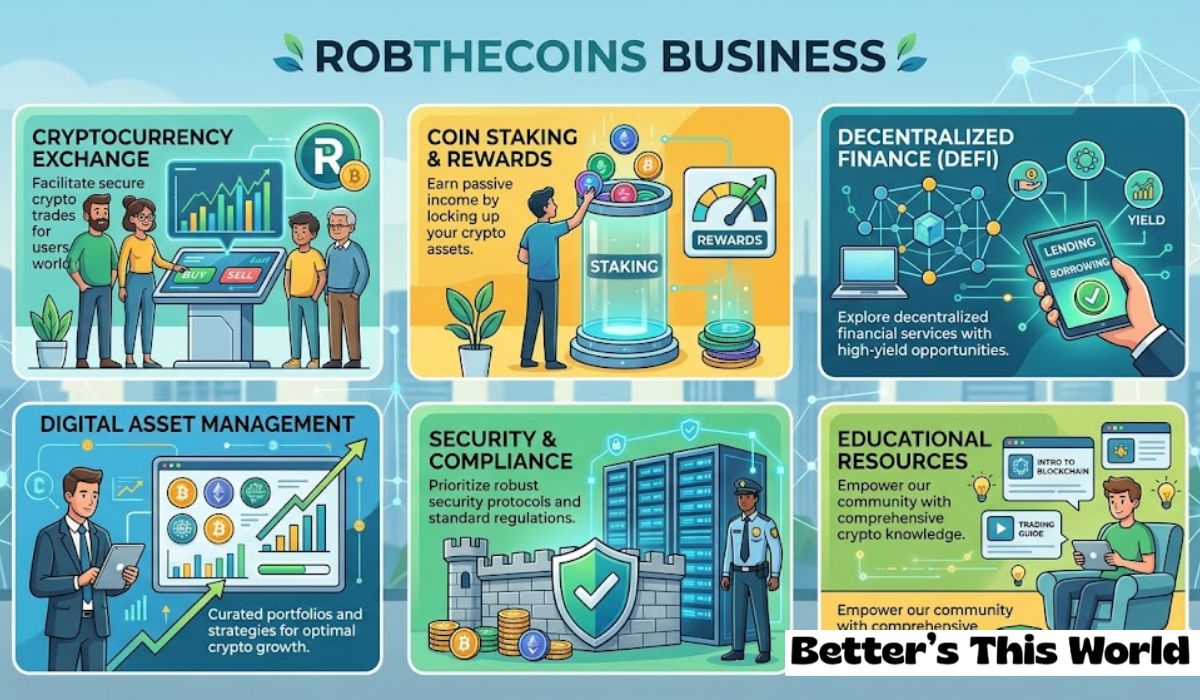
The digital economy is undergoing a massive shift as blockchain technology and decentralized finance move from the fringes into the mainstream. At the heart of this transformation is the robthecoins business, a model that prioritizes transparency, user security, and seamless integration of digital assets into daily commerce. For modern entrepreneurs and investors, understanding how this specific entity operates provides a blueprint for navigating the complexities of the future marketplace. By merging cutting-edge fintech solutions with robust content strategies, the organization has carved out a unique space in a crowded digital arena. This guide explores the various pillars that support such a dynamic enterprise, from technical infrastructure to customer relationship management. As more consumers look for reliable ways to spend and manage their digital currencies, businesses that adapt early will inevitably lead the pack. We will delve into the core components that make this operation successful and how it continues to set a high standard for others in the industry.
Blockchain Integration for Modern Trade
The adoption of distributed ledger technology has fundamentally changed how companies approach transaction security. By utilizing a decentralized framework, an organization can ensure that every exchange is recorded permanently and transparently, reducing the risk of fraud or chargebacks. This is particularly important in an era where digital identity theft is on the rise. Implementing these protocols allows for a trustless environment where users feel confident that their assets are being handled with the highest level of integrity. It also streamlines the accounting process, as the blockchain acts as a real-time auditor for all incoming and outgoing movements of value.
Beyond security, blockchain offers a level of efficiency that traditional banking systems simply cannot match. International transfers, which once took days and carried heavy fees, can now be completed in a matter of minutes for a fraction of the cost. This speed is vital for businesses operating on a global scale, allowing them to settle payments with vendors and partners instantly. By removing the middleman, the company can pass those savings on to the consumer, creating a more competitive and attractive pricing model. This technological foundation is what allows a modern digital enterprise to scale rapidly without being bogged down by legacy financial hurdles.
Enhancing User Experience Through Tech
In the world of online services, the interface is the primary touchpoint between a brand and its audience. A successful platform must prioritize a clean, intuitive, and responsive design that works across all devices. This involves using high performance hosting solutions and optimized code to ensure that page load times are minimal. When users can navigate a site without friction, they are much more likely to complete a transaction and return in the future. Investing in user experience design is not just an aesthetic choice; it is a direct contributor to the bottom line and overall brand loyalty.
Furthermore, integrating interactive elements like real time price tracking or 3D visual assets can keep users engaged for longer periods. For platforms that deal with complex data like cryptocurrency or financial trends, presenting information in an easy to digest format is essential. Tools such as interactive charts, calculators, and automated notifications help demystify the tech for newcomers while providing the depth that seasoned veterans expect. By constantly refining the interface based on user feedback and heat map data, a business stays relevant and maintains a high conversion rate in an increasingly competitive digital marketplace.
Diversified Payment Solutions and Security
Offering a variety of payment methods is no longer a luxury but a necessity for any digital operation. Today’s savvy consumer expects to choose between credit cards, digital wallets, and various cryptocurrencies. This flexibility caters to a global audience with varying preferences and access to financial tools. However, with increased options comes the need for heightened security measures. Implementing multi factor authentication and end to end encryption protects sensitive data from malicious actors. A secure payment gateway is the most critical component of building long term trust with a digital customer base.
Moreover, the use of cold storage for digital assets and regular security audits can prevent the catastrophic losses often seen in the news. By staying ahead of cyber threats, a company proves its reliability and commitment to user safety. Transparency in fee structures also plays a large role in customer satisfaction. Hidden costs can quickly alienate a loyal audience, so providing a clear breakdown of transaction fees at the point of sale is vital. When users know exactly what they are paying for and feel that their information is safe, they become advocates for the brand, driving organic growth through word of mouth and positive reviews.
Strategic Content and SEO Growth
Visibility in search engine results is the lifeblood of any online venture. A robust search engine optimization strategy involves more than just keywords; it requires high quality, authoritative content that provides real value to the reader. By publishing detailed guides, industry news, and technical analyses, a brand can establish itself as a thought leader in its niche. This authority signals to search engines that the site is a trusted source of information, which naturally improves rankings over time. Consistent content creation also keeps the audience coming back for the latest updates on market trends and technological shifts.
Technical SEO is equally important, involving the optimization of site architecture, meta data, and URL structures. Ensuring that search engine crawlers can easily index the site is a fundamental step in building an online presence. Additionally, a mobile first approach to site development is mandatory, as a majority of web traffic now comes from handheld devices. By balancing creative storytelling with technical precision, a business can capture a wider audience and convert casual visitors into long term clients. This dual approach to content and technical performance ensures that the brand remains visible and relevant in an ever changing digital ecosystem.
Customer Relationship Management Tactics
Building a business is not just about the first sale; it is about fostering a community of recurring users. Effective customer relationship management involves personalized communication and proactive support. Using automated email sequences to provide onboarding tips or special offers can make a user feel valued and supported. When issues arise, having a responsive support team that can provide technical assistance across multiple channels is essential for maintaining a positive reputation. Social media platforms also serve as a vital tool for real time engagement and community building, allowing for a more informal and direct connection with the audience.
Loyalty programs and referral incentives are another great way to encourage repeat business. Rewarding users for their continued patronage or for bringing in new clients creates a mutually beneficial relationship. This approach turns a standard transaction into a partnership, where the user feels they have a stake in the company’s success. Analyzing customer data and behavior allows for more targeted marketing efforts, ensuring that the right message reaches the right person at the optimal time. By prioritizing the human element of digital commerce, an organization can differentiate itself from faceless competitors and build a lasting legacy.
Data Analytics and Market Forecasting
In a data driven world, the ability to interpret numbers and predict future trends is a significant competitive advantage. By leveraging advanced analytics tools, a manager can see exactly where their traffic is coming from and which services are most popular. This information allows for more precise resource allocation and strategic pivoting. For instance, if data shows a spike in interest for a specific digital asset, the business can quickly create relevant content or services to meet that demand. Forecasting market movements helps the organization prepare for shifts in consumer behavior before they happen.
However, data collection must always be balanced with user privacy. Adhering to international data protection regulations like GDPR ensures that the company stays on the right side of the law and maintains ethical standards. Transparent privacy policies that explain how data is used and protected can actually enhance trust rather than diminish it. When used responsibly, data acts as a powerful compass, guiding the business through the uncertainties of the digital economy. It allows for the testing of new ideas in a controlled environment, reducing the risk of failure and maximizing the potential for innovation and growth.
Scalability and Future Proofing
The digital landscape is famous for its rapid pace of change, meaning what works today might be obsolete tomorrow. Scalability is the ability of a business to handle growth without a loss in performance or service quality. This often involves using cloud based infrastructure that can expand or contract based on real time demand. Future proofing a company means staying curious about emerging technologies like artificial intelligence and the internet of things. By experimenting with these tools early on, a brand can find new ways to automate tasks and enhance the user experience, staying several steps ahead of more conservative competitors.
Investing in a headless Content Management System is one way to ensure long term flexibility. This approach separates the back end content from the front end display, allowing developers to push updates to multiple platforms simultaneously. Whether the user is accessing the service via a website, a mobile app, or a smart device, the experience remains consistent and high quality. A forward thinking mindset also involves constant learning and professional development for the entire team. By fostering a culture of innovation, the business ensures that it is not just reacting to the future but actively helping to shape it.
Business Operational Metrics
| Metric Category | Target Indicator | Monitoring Frequency |
| Transaction Security | Zero unauthorized breaches | Real-time |
| Search Visibility | Top 10 rankings for key terms | Weekly |
| User Retention | 40% repeat visitor rate | Monthly |
| System Uptime | 99.9% availability | Continuous |
| Load Speed | Under 2.5 seconds | Daily |
| Conversion Rate | 3% to 5% growth | Quarterly |
FAQs
What defines the robthecoins business model?
It is defined by the integration of blockchain security with high-quality digital content and a focus on providing transparent financial services to a global audience.
Is cryptocurrency safe for everyday transactions?
When handled through a secure platform with encrypted gateways and proper storage protocols, cryptocurrency offers a high level of security and transparency that often exceeds traditional methods.
How does SEO contribute to this type of business?
SEO drives organic traffic by making the platform discoverable to people searching for finance and tech advice, reducing the need for expensive paid advertising.
Can I use multiple digital assets on the platform?
Yes, modern digital businesses typically support a wide range of popular assets to provide maximum flexibility and convenience for their users.
What is the role of data privacy in your operations?
Privacy is a top priority, ensuring that all user data is protected according to international standards while providing a transparent look at how information is handled.
Conclusion
The success of a robthecoins business lies in its ability to balance technological innovation with a deep understanding of the human experience. By building a foundation on blockchain transparency and prioritizing secure, flexible payment solutions, the organization meets the demands of a modern, tech savvy audience. Strategic content and technical SEO ensure that the brand remains a visible authority in its niche, while proactive customer relationship management builds a loyal and engaged community. As the digital economy continues to evolve, the principles of scalability and data driven decision making will remain the guiding stars for sustained growth. Leading in this space requires a constant commitment to improvement and a willingness to embrace the new while refining the old. By focusing on quality, security, and the needs of the user, any enterprise can navigate the complexities of digital commerce and emerge as a leader. This comprehensive approach ensures that the business is not only profitable today but also resilient enough to face the challenges and opportunities of the future. With the right tools and a forward thinking strategy, the potential for success in the realm of digital assets is truly limitless.
How to Maintain Your Roof and Gutters Year-Round
How to Invest in Gold and Precious Metals Wisely

How to Know When Your Roof Needs Replacement
Understanding IPTV Subscriptions for Arabic Entertainment and Streaming
Understanding Personal Injury Claims After an Accident

Key Benefits of Residential Elevators in Modern Homes
The Growing Role of IPTV in Modern Television
The Evolution of University Printing in the Digital Age

How to Reduce Snoring and Sleep Better Every Night

How Physical Therapy Relieves Pelvic Pain

FintechZoom.com: A Smart Resource for Financial News, Investment Education

How to Defend Drug Crime Charges

Tips for Sourcing Bedding Fabrics

Why British Property Investors Are Leveraging U.S. Real Estate Instead of Cashing Out

Guide to Choosing Industrial Portable Radios

Tips for Protecting Your Rights After an Accident

Why Sophisticated Global Investors Are Using Leverage Instead of Cash in U.S. Real Estate

Tips for Choosing Packaging Bags

Tips for Choosing Between Blinds and Shades

Building a Future, Not Just Buying a Home: Why Melbourne Families Are Choosing Smarter Communities

Why Palm Jumeirah Continues to Define the Future of Ultra-Prime Living in Dubai

How to Shop Smart During Festive Sales Without Compromising on Style?

How Child Custody Decisions Are Made In Boston

Streamlining Payroll Processes for Small Teams

The Future of Waterfront Luxury: Why Hudayriyat Island is Abu Dhabi’s Premier Investment Hub

Incestfl8x: System Update and Performance Framework

BetterThisWorldcom: A Comprehensive Guide to Personal Growth

белочкш: Meaning, Context, and Its Role in Digital Expression

Money BetterThisWorld: Financial Growth Mindful Living and Personal Empowerment

Betterthisfacts Tips by Betterthisworld: Practical Insights for Smarter Daily Living

ABCBetting AG New Site: Official Access and Platform Guide

Stocks BetterThisWorld: Learn Investing With Calm Focus And Purpose

Betterthisfacts Tips from Betterthisworld: Practical Guide to Smarter Living and Everyday Success

BetterThisWorld.com Your Source for Motivation Money Guidance Tech Insights and Modern Living

Charutbaye: Exploring Cultural Significance and Heritage

Irobux Login: Accessing Features & Account Security Tips

Sryzvduebbcylzk: Meaning, Structure, and Digital Use Explained

Guide to Understanding the Error 8379xnbs8e02328ws Code

BTWradiovent event by BetterThisWorld

Why Eurothits Is Gaining Attention in Today’s Digital Environment

BetterThisWorld Stocks | Sustainable Market Growth 2026

BetterThisWorld Business: Redefining Impact in the Modern Era

Python 54axhg5: Programming Guide for Modern Development

Blog ThriftyEventsNet: Smart Guide to Budget Friendly Events and Planning

Better ThisWorld.com: Exploring Purpose Driven Digital Content

Betterthisworld.com Success: Modern Roadmap to Growth & Achievement

Contact Spring Hillmed Group: Medical Support and Access
Building a Future, Not Just Buying a Home: Why Melbourne Families Are Choosing Smarter Communities

A Comprehensive Look at Online Casinos Toptiercasinos.com 2025