Gaming
Guide to Upgrades Lcfgamestick: Performance and Tuning

Introduction
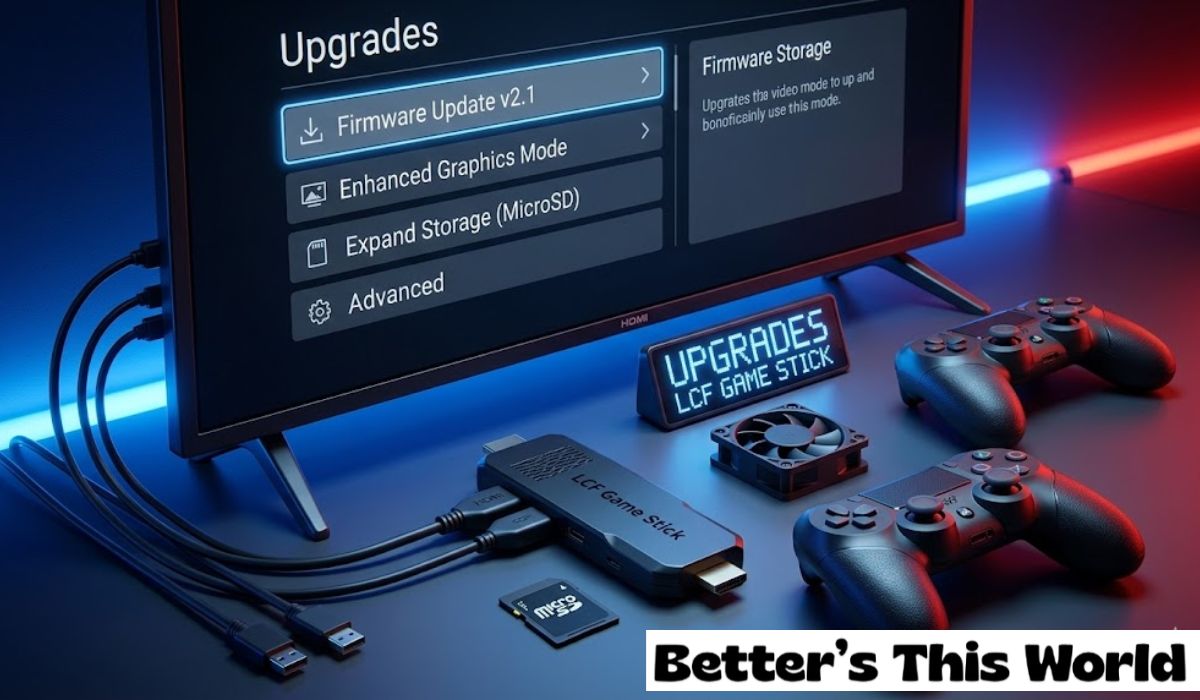
In the rapidly expanding world of retro gaming, compact HDMI dongles have revolutionized how enthusiasts access classic titles. Many users find themselves searching for reliable upgrades lcfgamestick to push these small devices beyond their factory limitations. While these sticks are designed for convenience, the stock software and storage often leave room for improvement. Whether it is reducing input lag, increasing the frame rate of 3D titles, or simply organizing a massive digital library, a few targeted modifications can transform a standard experience into something truly premium.
Modern gaming sticks typically run on a lightweight version of Linux or Android, utilizing open-source emulators to recreate the magic of 8-bit, 16-bit, and even 32-bit consoles. However, the hardware often possesses untapped potential that the original firmware ignores. By focusing on critical areas such as storage speed, firmware optimization, and heat management, you can ensure that your device stays responsive during intense gameplay sessions. This guide will explore the most effective ways to refine your setup, helping you unlock a smoother and more reliable gaming journey.
Enhancing Software and System Stability
The core of any gaming device is the operating system that manages the emulation cores. Many factory-installed systems use generic builds that lack the specific drivers needed for peak performance. Transitioning to custom firmware can provide a significant boost, as these communities-driven projects often include updated kernels that better manage the CPU’s resources. This shift not only improves the speed of the games but also introduces a more polished user interface, complete with better navigation and visual previews of your library.
Beyond just speed, custom software updates often fix persistent bugs, such as audio crackling or save-state corruption. These updates allow for more granular control over settings, enabling features like “integer scaling” and “frame ahead” to reduce perceived input delay. By stripping away background processes that the original manufacturer left in, you free up valuable RAM. This ensures that when the action gets heavy on-screen, the system has the overhead required to maintain a consistent frame rate without stuttering.
Optimizing Storage for Faster Access
The quality of the microSD card used in your device is a major factor in how quickly games load and how smoothly they run. Most budget sticks ship with unbranded cards that have low read speeds and high failure rates. Moving to a high-speed, branded card is one of the most cost-effective physical changes you can make. A card with a Class 10 or UHS-1 rating ensures that the system can pull data rapidly, which is especially important for larger disk-based games that require frequent asset streaming.
When preparing a new storage solution, it is also beneficial to use modern file systems that the device supports. Properly formatting the card and organizing folders according to the specific emulator requirements can prevent the system from “hanging” while scanning for new titles. Furthermore, a high-quality card acts as a safeguard for your progress, significantly reducing the risk of a corrupted save file after a long session of play.
Improving Controller Response and Connectivity
Input lag is the nemesis of retro gaming, particularly in fast-paced platformers or fighting games. Many gaming sticks rely on 2.4GHz wireless dongles that can be prone to interference from other household devices like routers or microwaves. To improve the connection, some users opt to use USB extension cables to move the receiver further away from the back of the TV, which can act as a shield and block signals. This simple adjustment often results in a much more responsive feel during gameplay.
For those who want the best possible experience, checking for firmware updates on the controllers themselves can be a game-changer. Some models allow you to recalibrate the dead zones of the analog sticks or remap buttons at a system level. If your device supports Bluetooth, switching to a higher-quality third-party controller can also provide a more ergonomic feel and better tactile feedback, making those difficult levels much easier to conquer.
Thermal Management and Overclocking
Because of their small form factor, HDMI gaming sticks can get surprisingly warm during extended use. Excessive heat often leads to “thermal throttling,” where the CPU intentionally slows down to cool itself off, resulting in noticeable lag. Adding small, adhesive copper or aluminum heatsinks to the main chips inside the casing can help dissipate heat more effectively. Some enthusiasts even go as far as drilling small ventilation holes in the plastic shell to allow for better airflow.
If your device is running cool, you might explore the possibility of slight overclocking through the system settings. This involves increasing the clock speed of the processor to handle more demanding emulators, such as those for 64-bit systems. While this should be done with caution, even a modest increase can be the difference between a game being unplayable and running at full speed. Always monitor temperatures closely when making these adjustments to protect the longevity of the hardware.
Expanding and Organizing the Game Library
A common frustration for users is the presence of duplicate titles or non-working files in the stock library. Taking the time to curate your own collection allows you to prioritize the games you actually want to play. Using software tools on a PC to “scrape” box art and game descriptions creates a much more immersive experience when browsing the menus. This metadata makes it easier to find specific titles and gives the entire system a professional, console-like appearance.
Additionally, many systems allow for the addition of “BIOS” files, which are essential for the compatibility of certain consoles. Ensuring you have the correct, high-quality BIOS files in the appropriate folder can fix games that previously refused to boot or had graphical glitches. By managing your library manually, you also save space on your storage card, allowing you to fit more high-quality titles rather than thousands of filler files that you likely will never open.
Power Supply and Electrical Stability
It is often overlooked, but the power source for a gaming stick is critical for its performance. Relying on the USB port of an older television can sometimes result in underpowering the device, leading to random crashes or poor wireless range. Using a dedicated wall adapter—similar to a standard phone charger—ensures that the device receives a consistent 5V supply. This stability is crucial when the processor is under heavy load or when multiple wireless controllers are connected.
Stable power also helps maintain the integrity of the storage card. Sudden power drops can lead to data corruption, especially if the system is in the middle of writing a save file. By providing a clean and reliable power source, you reduce the stress on the internal components and ensure that the system remains stable even during the most demanding gaming marathons.
Advanced Customization and Skinning
For the ultimate enthusiast, the visual style of the operating system is just as important as the performance. Many custom firmwares support “themes” or “skins” that completely change the look of the menus. Whether you prefer a minimalist modern look or a nostalgic interface that mimics a specific classic console, these visual upgrades make the device feel unique to you. Some systems even allow for custom background music and sound effects, further enhancing the retro atmosphere.
Beyond aesthetics, advanced users can dive into the configuration files to set up custom shaders. Shaders can simulate the look of an old CRT television, adding scanlines and a slight “bloom” to the pixels. This helps the games look the way they were intended to be seen, rather than appearing overly sharp on a modern high-definition display. These small touches culminate in a highly personalized experience that pays true homage to the history of gaming.
Upgrade Comparison Table
| Upgrade Type | Difficulty | Primary Benefit | Recommended Tool |
| Firmware Update | Medium | Better UI & Speed | Custom SD Image |
| Storage Swap | Low | Reliability & Space | High-End MicroSD |
| Heat Dissipation | Medium | No Throttling | Mini Heatsinks |
| Controller Mod | Low | Reduced Input Lag | USB Extension |
FAQs
Is it difficult to install upgrades lcfgamestick firmware?
It generally requires a PC and software like BalenaEtcher to flash a new image onto an SD card. While it takes a bit of patience, there are many community guides that provide step-by-step instructions.
Will I lose my save games if I update the card?
If you don’t back them up, yes. Always copy your “Saves” folder from the old SD card to your computer before formatting or replacing it.
Can I play 3D games smoothly after these upgrades?
While these upgrades significantly improve performance, the hardware has physical limits. However, titles that were “stuttering” before can often reach full speed with optimized firmware and slight overclocking.
Do I need a special power adapter?
A standard 5V/2A phone charger is usually sufficient and much better than using the USB port on a television.
Conclusion
Taking the time to implement various upgrades lcfgamestick is a rewarding process for any retro gaming fan. By moving beyond the stock experience, you gain a deeper understanding of how these systems work and how to keep them running at their best. From the simple addition of a high-speed storage card to the more advanced task of flashing custom firmware, each step contributes to a more stable, responsive, and enjoyable environment.
Ultimately, the goal of these modifications is to remove the barriers between you and the games you love. When the menus are fast, the controllers are responsive, and the graphics look just right, the hardware fades into the background, leaving only the nostalgia and fun of the classics. As the community continues to develop new tools and optimizations, your portable gaming stick will only get better, serving as a reliable gateway to the golden age of gaming for years to come.
Getting Started with Your Retro Gaming Console
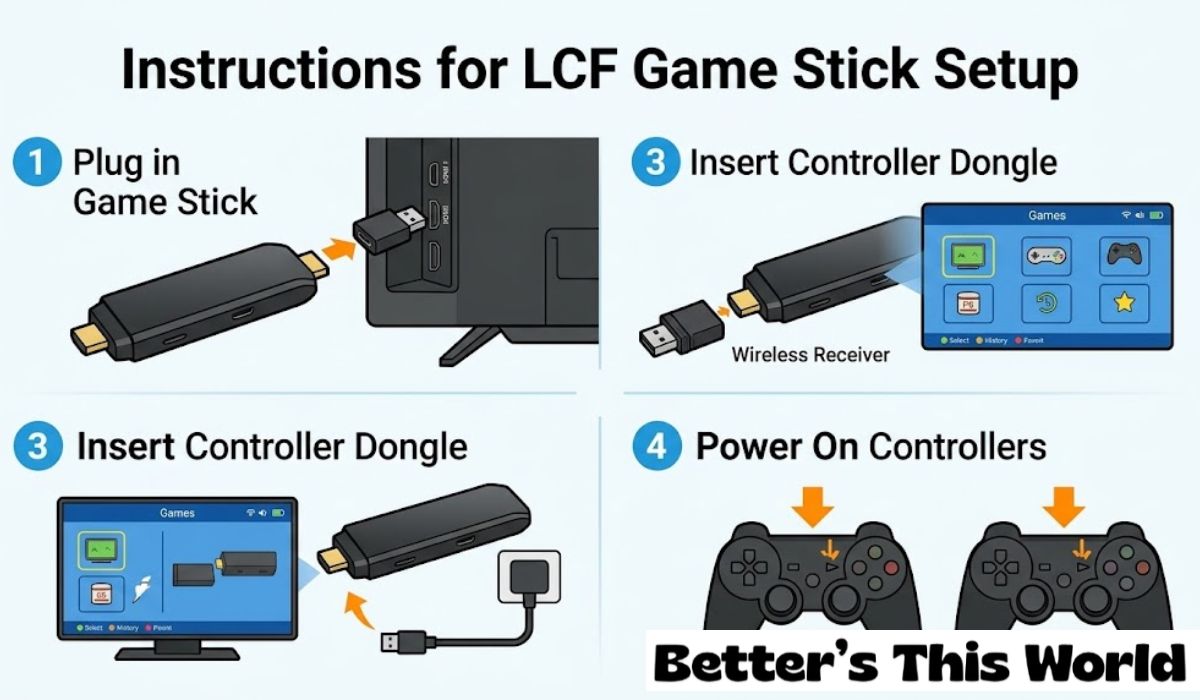
Retro gaming has seen a massive resurgence, allowing players to revisit the classics that defined their childhoods. Central to this experience is having a clear set of instructions for lcfgamestick to ensure the hardware is configured correctly for modern displays. This compact device packs thousands of titles into a small form factor, but the initial synchronization between the hardware, the wireless controllers, and the television requires a specific sequence of actions. Setting up this system is designed to be user-friendly, yet many enthusiasts overlook the technical nuances that ensure a lag-free and visually crisp experience on high-definition screens.
As you unbox the components, you will find the main console unit, a power cable, and the necessary peripherals to begin your journey. Following the instructions for lcfgamestick carefully will prevent common issues such as signal drops or controller latency. The goal of this guide is to provide a comprehensive roadmap from the moment you plug the device into your HDMI port to the second you start your first high-score run. By understanding the underlying architecture of the emulation software and the physical requirements of the hardware, you can transform any standard television into a versatile arcade machine.
Unboxing and Physical Component Overview
Before diving into the software side of things, it is essential to identify every piece of hardware included in your package. Typically, the kit consists of the HDMI dongle itself, a USB power cable, a small signal receiver for the controllers, and the gamepads. Inspecting these items for any physical damage during shipping is a vital first step. The dongle is designed to fit directly into an available HDMI slot on your television or monitor. If your TV is mounted close to a wall, you may need an extension cable to ensure the device is not bent or strained, which could lead to overheating or connection failures over time.
The wireless controllers usually require standard batteries, often AAA or AA, which are typically not included in the retail box. Ensuring you have fresh, high-quality batteries is crucial for maintaining a stable 2.4GHz connection between the gamepad and the console. Once the batteries are installed, locate the small USB receiver. This component is the bridge between your inputs and the screen. It must be plugged into the USB port located on the side of the main stick. Without this receiver properly seated, the console will boot into the menu, but you will find yourself unable to navigate or select any games.
Establishing a Stable Power Connection
One of the most frequent mistakes users make is attempting to power the device solely through the television’s built-in USB port. While some modern TVs provide enough amperage, many older models do not deliver the consistent five volts required for stable emulation. If the device receives insufficient power, you might experience random restarts, freezing during intense gameplay, or a failure to load certain high-demand titles. To avoid these frustrations, it is highly recommended to use a dedicated wall adapter. This ensures a steady flow of electricity, allowing the internal processor to maintain peak performance during long gaming sessions.
Once the USB power cable is connected to the stick and the power source, look for a small indicator light on the device. This LED signifies that the unit is receiving power and is initiating the boot sequence. If the light does not appear, double-check the cable seating at both ends. It is also wise to keep the power cable away from other high-voltage wires to minimize electromagnetic interference, which can occasionally affect the clarity of the video signal. Proper power management is the foundation of a reliable retro gaming setup, ensuring that your progress is never lost due to a sudden hardware shutdown.
Initial Configuration and Language Settings
When you first power on the system, the boot screen will lead you to a main menu. Depending on the factory settings, the interface might default to a language other than your primary tongue. Navigating the settings menu to find the language toggle is the first priority. Usually, this is represented by a gear icon or a globe symbol. Once you enter the system settings, look for the “Language” or “System Info” tab. Selecting your preferred language will immediately update all menu items, game descriptions, and system prompts, making the rest of the configuration process much more straightforward.
After the language is set, you should take a moment to calibrate the screen scaling. Modern televisions often use “overscan,” which can cut off the edges of the game screen, hiding important information like health bars or score counters. Within the display settings of the console, you can often find a “Screen Fit” or “Scaling” option. Adjust these parameters until the entire rectangular border of the interface is visible on your monitor. This ensures that the aspect ratio remains faithful to the original arcade or console experience, preventing the image from appearing stretched or distorted on a widescreen display.
Syncing Wireless Controllers for Gameplay
The magic of this system lies in the freedom of wireless play, but this requires a successful handshake between the controllers and the USB receiver. After inserting the batteries and turning the power switch on the controller to the “On” position, a light on the gamepad should begin to blink. This indicates it is searching for the receiver. Within a few seconds, the light should turn solid, confirming a successful link. If the controller fails to sync, try unplugging the USB receiver and re-inserting it while the controller is powered on. This often forces a refresh of the connection.
If you are setting up two controllers for multiplayer action, the system is designed to assign them as “Player 1” and “Player 2” automatically based on the order in which they are turned on. The first controller to establish a link will typically hold the primary navigation rights for the main menu. It is important to stay within a reasonable range of the console—usually within ten to fifteen feet—to avoid input lag. Obstacles like cabinets or other electronic devices can sometimes block the signal, so keeping a clear line of sight between the gamepad and the USB receiver will result in the most responsive gaming experience possible.
Navigating the Game Library and Emulators
The interface is organized into various categories, often separated by the original console manufacturer or the genre of the game. Using the directional pad, you can scroll through thousands of titles. Most systems include a search function or a “favorites” list, which is incredibly useful given the sheer volume of content available. To add a game to your favorites, there is usually a specific button command, such as a long press of a face button or a shoulder trigger. This allows you to curate a smaller list of your most-played classics, saving you from scrolling through the entire directory every time.
Understanding how to exit a game is just as important as knowing how to start one. In most instances, pressing the “Start” and “Select” buttons simultaneously will bring up a secondary menu. From this menu, you can save your current progress, load a previous save state, or exit back to the main library. Save states are a modern convenience that allow you to pause a game at any exact moment, which is a significant upgrade over the original hardware’s limited or non-existent saving capabilities. Familiarizing yourself with these button combinations will make your transition between different titles smooth and effortless.
Troubleshooting Common Technical Hurdles
Even with a perfect setup, you might occasionally encounter a black screen or a lack of audio. The first step in troubleshooting is always to verify the physical connections. A loose HDMI plug is the most common culprit for signal loss. If the video is working but there is no sound, check your television’s audio settings to ensure it is set to receive sound via HDMI. Sometimes, toggling the “Game Mode” on your TV can also resolve display issues and significantly reduce the delay between your button presses and the action appearing on the screen.
If the system seems to lag during specific games, it may be due to the emulation requirements of that particular title. While most 8-bit and 16-bit games run flawlessly, some 3D titles from later eras might push the hardware to its limits. In these cases, ensuring the device has plenty of ventilation can help, as heat can sometimes throttle the processor’s speed. If the controllers become unresponsive, replacing the batteries is the first logical step, even if they seem relatively new. Low voltage can cause the wireless chip to malfunction long before the buttons themselves stop working entirely.
Optimizing the Visual and Audio Experience
To get the most out of your retro gaming sessions, you might want to explore the advanced display filters often tucked away in the settings. Many enthusiasts prefer a “Scanline” filter, which mimics the look of old-fashioned cathode-ray tube (CRT) televisions. This can make the pixel art look more authentic and hide some of the harshness of upscaling low-resolution graphics to a 4K or 1080p screen. Additionally, you may find options for “Integer Scaling,” which keeps the pixels perfectly square, providing the sharpest possible image at the cost of some black bars on the sides of the screen.
On the audio front, some systems allow you to adjust the output frequency or toggle between stereo and mono sounds. Since these games were originally designed for very different speaker setups, experimenting with your TV’s “Movie” or “Music” modes can sometimes enhance the chiptune soundtracks. Always remember that the goal is personal enjoyment; there is no single “correct” way to view these games. Whether you prefer a crisp, modern digital look or a nostalgic, fuzzy glow, taking the time to tweak these settings ensures that the hardware performs exactly how you want it to for years to come.
Key Specifications and Controls
| Component | Description | Function |
| HDMI Connector | Male HDMI Interface | Plugs into TV for Video/Audio |
| Power Port | Micro USB / USB-C | Provides 5V/1A or 2A Power |
| USB Receiver | 2.4GHz Wireless Dongle | Connects Controllers to Stick |
| Micro SD Slot | External Memory Card | Stores Game ROMs and OS |
| Controller | Wireless Gamepad | Primary Input Device |
FAQs
How do I add more games to the device?
To add titles, you must remove the Micro SD card and connect it to a computer. Locate the “ROMs” folder and place your compatible files into the corresponding console subfolders. Always back up the original files before making changes.
Why are the games running in slow motion?
This usually indicates a power supply issue. Ensure you are using a wall plug adapter rather than a USB port on the TV. If the problem persists, the specific game might be too demanding for the internal processor.
Can I use a wired controller with this system?
Most versions of this hardware are designed specifically for the included wireless receivers. While some USB controllers might work, compatibility is not guaranteed, and the wireless experience is the intended method of play.
How do I save my game progress?
Press Start and Select at the same time during gameplay to open the emulator menu. Choose “Save State” to record your progress. You can use “Load State” later to return to that exact spot.
Conclusion
Successfully following the instructions for lcfgamestick ensures that your journey into the past is as smooth and enjoyable as possible. While the device is small, it represents a complex marriage of hardware and software designed to bring decades of gaming history into your living room. By taking the time to verify your power source, secure your physical connections, and understand the nuances of the menu system, you eliminate the technical barriers that often hinder the retro experience. This allows the focus to remain where it belongs: on the gameplay and the nostalgia of the titles themselves.
Maintenance is also a key factor in longevity. Keeping the device in a well-ventilated area and occasionally checking for software updates or SD card integrity will keep the system running for years. The versatility of this stick, from its portability to its vast library, makes it a premier choice for both casual players and dedicated collectors. As you become more familiar with the button combinations and save state features, you will find that these modern conveniences breathe new life into difficult classics. Enjoy the vast world of retro gaming, and may your high scores always be remembered.
Introduction
The rapid pace of the digital entertainment sector requires a reliable source for staying informed about the newest developments. For enthusiasts and professionals alike, receiving consistent gaming updates from etruesports etruegames has become a vital part of navigating the 2026 landscape. As the industry shifts toward more sustainable business models and deeper technological integration, the need for accurate, timely information has never been higher. From the rise of mobile-first competitive play to the implementation of advanced AI in game development, the stories shaping our screens are more complex and interconnected than ever before.
This comprehensive guide delves into the current state of the global gaming market, highlighting the major trends and events that are defining the year. Whether you are interested in the latest tournament results, the launch of highly anticipated titles, or the strategic shifts of major publishers, these insights provide a clear view of where the industry is headed. By focusing on a balanced mix of professional analysis and community-driven news, the platform ensures that its audience remains at the forefront of the digital revolution, equipped with the knowledge needed to thrive in an increasingly competitive environment.
The Surge of Mobile Esports Dominance
The landscape of competitive gaming has undergone a massive transformation, with mobile platforms now taking center stage on a global scale. No longer considered a secondary tier of play, mobile titles are breaking viewership records and attracting massive investments from non-endemic brands. This shift is particularly evident in the Asia-Pacific region, where the barrier to entry for mobile gaming is effectively zero, allowing for a massive influx of new talent and spectators. Major championships are now drawing concurrent audiences that rival traditional sporting events, proving that the portability and accessibility of these devices are the future of the sport.
Strategic marketing budgets are being reallocated from legacy PC sponsorships to dynamic, in-app integrations that reach players where they live. This mobile-first hegemony is driven by the realization that the audience is not only larger but also more transactable, with a higher frequency of engagement through micro-conversions. For fans seeking the latest developments, the transition toward high-fidelity mobile experiences means that the quality of competition is now on par with traditional console and PC setups. The infrastructure supporting these tournaments has matured, providing a professional and stable environment for players to showcase their skills on a global stage.
Technological Innovations Reshaping Development
Artificial intelligence and procedural generation have moved beyond being buzzwords and are now core components of the development pipeline. In 2026, we are seeing the emergence of agentic AI—systems capable of making autonomous decisions across complex workflows. This technology is being used to streamline everything from back-office operations to real-time broadcast metadata, allowing creators to focus more on the creative aspects of game design. For the player, this translates into more responsive environments and more sophisticated non-player character behaviors that adapt to individual playstyles in real-time.
Furthermore, the rise of user-generated content platforms is blurring the lines between playing a game and building one. Platforms that empower the community to create their own levels, skins, and game modes are challenging the traditional AAA model. This democratization of design is giving indie developers and talented hobbyists a level of visibility that was previously impossible. As these tools become more intuitive, the volume of high-quality content available to the public is exploding, ensuring that there is always something new and innovative to discover within the digital ecosystem.
Sustainability and New Business Models
The era of speculative, venture-capital-fueled growth has been replaced by a rigorous focus on operational resilience and long-term profitability. Organizations are pivoting away from one-off sponsorship deals toward “Membership 2.0″ models. These subscription-based digital ecosystems provide teams and publishers with recurring, predictable income, addressing the historical weakness of spikes and collapses in revenue around major events. By treating fandom as a year-round membership, organizations are creating stickier revenue streams that provide better value for the fans while stabilizing the industry’s financial foundations.
Transparency and accountability have become the new gold standards for operators in the space. Investors are now prioritizing credible business models and sound governance over raw scale. This professionalization is leading to a healthier ecosystem where the focus is on sustainable growth and the protection of player trust. As a result, the industry is seeing fewer layoffs and more strategic consolidations, with companies specializing in niche markets or high-performance infrastructure leading the charge. This “age of realism” is a welcome change for those who value the long-term health of the gaming community.
Major Industry Events and Global Gatherings
The return of massive, in-person events has revitalized the social aspect of the gaming world. Conferences like the GDC Festival of Gaming and gamescom continue to set records for exhibitor registration and ticket sales, serving as the “beating heart” of the industry’s creativity. These gatherings are not just about showing off new trailers; they are vital networking hubs where the next generation of partnerships is forged. The synergy between developers, publishers, and the media at these events ensures that the momentum of the industry remains high throughout the year.
In 2026, these events are also becoming more inclusive, with a focus on connecting the developer community more closely with the end-users. Live concerts, awards ceremonies, and interactive panels allow fans to get a behind-the-scenes look at how their favorite titles are brought to life. The global nature of these gatherings, with significant representation from emerging markets in the Middle East and South America, reflects the truly international reach of the medium. These milestones on the calendar provide a sense of unity and shared purpose for a community that is often fragmented across different genres and platforms.
Cultural Acceptance and Professional Paths
The perception of professional gaming has shifted significantly, with a large majority of the younger generation now viewing it as a legitimate and aspirational career path. Global studies show that a career in esports is now ranked higher in desirability than many traditional professions, such as politics or professional racing. This cultural acceptance is being supported by the introduction of specialized degrees in esports management and the recruitment of former players for analytical roles in major corporations. The framing of gaming in the media has moved from the entertainment pages to the financial sections, signaling its maturity as a major economic force.
Despite this growth, challenges remain in terms of financial risk and the high levels of competition. However, the industry is working to solve these issues through better transparency around earnings and the establishment of professional training facilities. The move toward national identity in competition, where players represent their countries in global tournaments, is also boosting engagement and providing a more structured path for aspiring professionals. This evolution ensures that the next generation of talent has the resources and support needed to turn their passion into a sustainable and respected career.
Nostalgia as a Driver for Growth
Even as technology pushes forward, the power of nostalgia continues to be one of the most effective ways to engage the audience. Longtime gamers who now have significant spending power are driving a boom in remasters, revivals, and the return of classic brands. Publishers are successfully tapping into this sentiment by updating beloved titles with modern graphics and performance while keeping the core mechanics that made them famous. This trend is not just about looking backward; it is about bridging the gap between generations of players and ensuring that classic experiences are preserved for the future.
This focus on heritage is also visible in the way narrative art is being embraced by museums and cultural institutions. Video games are being recognized for their contribution to storytelling and visual art, with permanent galleries dedicated to the history of the medium. By honoring the past, the industry is building a stronger sense of identity and community. This blend of cutting-edge innovation and deep respect for history creates a rich, multifaceted environment that offers something for everyone, whether they are looking for the latest VR experience or a trip down memory lane.
Strategic Shifts in Global Markets
The geography of the gaming world is shifting, with China now accounting for a massive share of global player spending and industry growth. The dominance of Chinese publishers and the success of platforms like Roblox in the West indicate a more integrated global market. However, this growth comes with rising expenses and a more competitive landscape for discovery. User acquisition costs are hitting record highs, forcing developers to find more creative and organic ways to reach their audience. This has led to a focus on hyper-localization, where content is tailored to the specific cultural and linguistic needs of different regions.
At the same time, the console market has seen a strong recovery, with hardware sales setting new records and high-quality exclusives driving consumer interest. The PC sector remains a bastion of stability, consistently growing its sales and serving as the primary platform for technical innovation and indie breakthroughs. The convergence of these different sectors—mobile, console, and PC—is creating a more unified experience for the player. As boundaries between platforms dissolve, the focus is shifting toward the quality of the game itself rather than the device it is played on, promising a more accessible and varied future for all.
FAQs
Where can I find the most reliable gaming updates from etruesports etruegames? The platform provides a centralized hub for news, offering daily digests and real-time alerts on major industry shifts, tournament results, and technological breakthroughs in the 2026 gaming market.
How has the esports industry changed in 2026? The industry has matured significantly, moving toward sustainable membership models, embracing mobile-first competition, and utilizing advanced AI to streamline operations and enhance the viewer experience.
Is professional gaming a viable career in 2026? Yes, it is increasingly viewed as a legitimate professional path, with growing cultural acceptance, specialized university degrees, and more transparent earning structures helping to mitigate traditional risks.
What are the biggest trends in game development this year? Key trends include the use of agentic AI for complex workflows, a massive increase in user-generated content, and a focus on nostalgic remasters combined with global, cross-platform accessibility.
Which region is currently leading in gaming industry growth? The Asia-Pacific region, particularly China, is a major driver of growth, though significant developments are also emerging from the Middle East and the established hubs in North America and Europe.
Conclusion
Staying informed through gaming updates from etruesports etruegames is the best way to keep up with a world that never stops moving. As we have seen throughout 2026, the industry is in a state of positive transformation, balancing the excitement of new technology with a newfound commitment to financial and operational stability. The move toward mobile dominance, the professionalization of esports, and the creative explosion of user-generated content are all signs of a healthy, vibrant ecosystem. While challenges like rising costs and intense competition remain, the tools and strategies being developed to address them are more sophisticated than ever.
For the player, the developer, and the business professional, the future of digital entertainment is bright. The convergence of different platforms and the global reach of the community ensure that the impact of gaming continues to grow, touching every aspect of modern culture. By focusing on the fundamentals of quality and community, and by remaining adaptable in the face of change, the industry is setting the stage for a decade of unprecedented growth. Whether you are competing on a global stage or enjoying a quiet indie title at home, the progress made this year promises a richer, more engaging experience for everyone involved in this incredible digital journey.
The landscape of interactive entertainment is shifting toward a demand for higher precision and more durable hardware. As players move from casual mobile apps to high-stakes competitive environments, the tools they use become the deciding factor between victory and defeat. This evolution has paved the way for specialized ecosystems like revolvertech gaming, which focuses on the synergy between advanced engineering and ergonomic design. Understanding this sector requires a look at how hardware components communicate with software to provide a seamless user experience.
Innovation in this field isn’t just about faster response times; it is about creating a reliable environment where the player feels physically connected to the digital world. Whether it is through low-latency wireless protocols or mechanical switches that offer tactile feedback, the goal is always total immersion. As we look deeper into the various facets of this technology, we see a commitment to quality that addresses the frustrations of traditional equipment, such as input lag and physical fatigue.
The Evolution of Precision Engineering in Hardware
The journey of modern peripherals began with simple plastic shells and basic sensors, but today, the industry has moved toward aircraft-grade materials and optical actuation. Precision is the primary focus here, as even a millisecond of delay can disrupt a professional match. Manufacturers are now utilizing heat-treated polymers and aluminum frames to ensure that equipment can withstand thousands of hours of intense use without losing structural integrity. This shift ensures that every click and keystroke is registered with absolute accuracy, providing a level of reliability that was once reserved for industrial-grade machinery.
Beyond physical durability, the internal components have seen a massive overhaul. Modern sensors now reach DPI levels that were previously unthinkable, allowing for micro-adjustments that are essential in first-person shooters. These advancements aren’t just for show; they translate into a smoother cursor movement that mimics the natural path of a human hand. By focusing on the physics of movement, engineers have created a bridge between the player’s intent and the on-screen action, making the hardware an extension of the body rather than an external obstacle.
Customization and User Centric Interface Design
Modern players no longer settle for “one size fits all” solutions. The demand for personalized experiences has led to the development of highly modular equipment where weights, side grips, and even button layouts can be swapped in seconds. This level of customization allows individuals to tailor their setup to their specific hand size and grip style, significantly reducing the risk of repetitive strain injuries. It is this focus on the human element that distinguishes top-tier technology from generic consumer electronics.
On the software side, the integration is equally deep. Intuitive control panels allow users to remap every function, create complex macros, and sync lighting effects across multiple devices. This unified ecosystem ensures that a player’s preferred settings follow them regardless of the machine they are using. Cloud-based profiles have made it possible to maintain a consistent feel at home, in a studio, or at a tournament. This flexibility is a hallmark of the current generation of peripherals, prioritizing the user’s comfort and workflow over rigid factory standards.

The Impact of Low Latency Wireless Connectivity
For a long time, serious competitors avoided wireless technology due to fears of interference and lag. However, recent breakthroughs in radio frequency transmission have eliminated these concerns, often resulting in wireless speeds that rival or even surpass traditional wired connections. By using dedicated frequency bands and advanced polling rates, modern devices maintain a rock-solid link even in environments crowded with other signals. This freedom from cables allows for a cleaner desk setup and unrestricted range of motion, which is vital for high-sensitivity play.
Power management has also seen significant improvements. With the introduction of high-efficiency chips, a single charge can now last for weeks of regular use. Fast-charging capabilities mean that even a five-minute break can provide enough power for an entire evening of activity. This reliability has turned the tide of public opinion, making wireless the new standard for both professionals and enthusiasts. The removal of the “cable drag” factor has fundamentally changed how people interact with their mice and headsets, offering a level of fluidity that was previously impossible.
Ergonomics and Long Term Physical Health
As gaming sessions grow longer, the physical toll on the body has become a major concern for the community. Design philosophies have shifted to prioritize spinal alignment, wrist support, and breathable materials. Modern seating and desk solutions are now engineered with adjustable lumbar support and 4D armrests that cater to various sitting postures. By maintaining the body’s natural curves, these products help prevent the chronic pain often associated with extended periods of sedentary activity.
Furthermore, the materials used in headsets and mice are chosen for their thermal properties. Cooling gels and moisture-wicking fabrics help keep the user comfortable during high-pressure situations. Lightening the weight of handheld devices has also been a priority, with “honeycomb” shells and lightweight alloys becoming popular to reduce wrist fatigue. This holistic approach to health ensures that players can perform at their peak for longer durations without sacrificing their well-being, proving that performance and comfort are not mutually exclusive.
Integration of Immersive Audio Landscapes
Audio is often the most underrated component of a high-end setup, yet it provides the most critical spatial information. Modern acoustic engineering utilizes 7.1 virtual surround sound and object-based audio to let players hear exactly where an opponent is located. High-fidelity drivers are tuned to provide a balanced soundstage, ensuring that deep bass notes from explosions do not drown out the subtle footsteps of an approaching enemy. This level of clarity is achieved through meticulous calibration and the use of premium neodymium magnets.
Noise cancellation technology has also made its way into the gaming sphere. Both passive isolation and active noise cancellation allow users to focus entirely on their digital environment, blocking out household distractions or the roar of a live crowd. Microphones have similarly evolved, now featuring broadcast-quality capsules and AI-driven noise suppression that filters out keyboard clicks and background hum. This ensures crystal-clear communication with teammates, which is often the difference between a coordinated victory and a chaotic loss in team-based games.
Aesthetic Trends and Visual Synchronization
While performance is paramount, the visual appeal of a setup plays a massive role in the modern culture of content creation and streaming. Addressable RGB lighting has become the industry standard, allowing users to choose from millions of colors and various animation patterns. This isn’t just about vanity; lighting can be used functionally to indicate in-game health, cool-down timers, or specific notifications. When all components are synced, it creates a cohesive atmosphere that enhances the overall mood of the room.
The trend toward “minimalist-industrial” design has also gained traction. Sleek lines, matte finishes, and hidden cable management systems are preferred by those who want a professional-looking workspace. Brands are increasingly moving away from the aggressive “gamer” aesthetic of the past in favor of a more sophisticated look that fits into a modern office or living room. This design language reflects the maturing of the industry, where equipment is viewed as a serious professional tool as much as a source of leisure.
Future Innovations in Haptic Feedback
The next frontier for hardware lies in haptic feedback—the ability to feel textures and resistance through the equipment. While currently popular in controllers, this technology is beginning to migrate to mice and even wearable vests. Imagine feeling the recoil of a weapon or the rumble of a car engine through your palm. These localized vibrations provide an extra layer of sensory input that allows the brain to react more instinctively to in-game events.
As AI becomes more integrated into hardware, we can expect devices that “learn” a user’s habits and automatically adjust sensitivity or lighting based on the task at hand. Predictive sensors could potentially identify a user’s intent milliseconds before a click is made, further reducing perceived latency. These upcoming shifts suggest that the boundary between the digital and physical worlds will continue to blur, leading to an era where the hardware is almost invisible to the user experience.
Comparison of Key Features
| Feature | Standard Equipment | Professional Grade |
| Polling Rate | 125Hz to 500Hz | 1000Hz to 8000Hz |
| Switch Type | Membrane / Basic Mechanical | Optical / High-End Mechanical |
| Sensor Type | Budget Optical | High-Precision Laser/Optical |
| Connection | Wired / Standard Bluetooth | Low-Latency RF Wireless |
| Build Material | Standard Plastic | Reinforced Polymer / Aluminum |
Frequently Asked Questions
What defines a high-performance gaming ecosystem?
A high-performance ecosystem is characterized by low latency, high durability, and deep software integration. It ensures that all peripherals work together to provide a seamless and responsive experience.
Is wireless technology as fast as wired today?
Yes, modern proprietary wireless protocols have achieved speeds that match or exceed traditional USB connections, making them perfectly suitable for competitive play.
Why is ergonomics important for enthusiasts?
Ergonomics prevents long-term injuries such as carpal tunnel and back pain. Proper support allows for longer sessions with less physical fatigue.
Can I use professional gear for office work?
Absolutely. Many people prefer this grade of equipment for work because of the high build quality, comfort, and the ability to program shortcuts for productivity apps.
Conclusion
The world of revolvertech gaming represents the pinnacle of how far consumer technology has come. It is no longer just about playing a game; it is about the quality of the interaction and the longevity of the tools we use. By investing in equipment that prioritizes precision, health, and customization, users are setting themselves up for a better overall experience. The shift toward higher standards in manufacturing and software design has forced the entire industry to level up, benefiting everyone from the casual player to the professional athlete.
As we look toward the future, the integration of haptics, AI, and even more efficient wireless technologies will continue to redefine our expectations. The core philosophy remains the same: to remove the barriers between the player and the game. When you choose equipment that matches your ambitions, you aren’t just buying a gadget; you are upgrading your interface with the digital world. This commitment to excellence ensures that as games become more complex and demanding, our hardware will be more than capable of keeping pace.

Understanding Zisnevernottheone: Philosophy and Impact

Master Your Finances with Aggr8Budgeting Strategies

Detailed instructions for lcfgamestick: Setup and Guide

Mabs.BrightStarCare.com Login: Guide for Care Management

Guide to Supplement Management Thespoonathletic: Stay Fit

Guide to Upgrades Lcfgamestick: Performance and Tuning

CBD Advice Tweeklynutrition: Your Complete Wellness Guide

Understanding the Impact of 9529925380 in Modern Systems

Calamariere: Techniques for Successful Coastal Fishing

Understanding the Concept and Applications of Sérya

Mastering the Sousaphone: History, Design, and Performance

Achieving Success Through Strategy and Diligence

PLG Supplies: Optimizing Your Product-Led Growth Strategy

Novafork: Redefining Digital Solutions for a Modern Era

Matoketcs: Understanding the Role of Green Banana Staples

Topics Mywirelesscoupons: Smart Savings in Digital Connectivity

Bvostfus Python Issue Fix: Comprehensive Resolution Guide

Apps and Softwares AlienSync: The Future of Digital Tools

CKTest9262: Enhancing Software Testing & Quality Assurance

Guide to List Crowlers: Fresh Craft Beer Packaging Solutions

Software Keepho5ll: Complete Guide to Modern Frameworks

Irobux Login: Accessing Features & Account Security Tips

Stay Ahead with Gaming Updates from Etruesports Etruegames

Digital Creativity and the Influence of ThePinkDolly99

High-Value Investment Hacks Discommercified for You

Incestfl8x: System Update and Performance Framework

BTWradiovent event by BetterThisWorld

белочкш: Meaning, Context, and Its Role in Digital Expression

BetterThisWorld.com Your Source for Motivation Money Guidance Tech Insights and Modern Living

Money BetterThisWorld: Financial Growth Mindful Living and Personal Empowerment

Stocks BetterThisWorld: Learn Investing With Calm Focus And Purpose

Betterthisworld Business: Guide to Smart Growth and Modern Success

Gaming Vivid2201 Patches: Updates Improvements and Player Experience

Slothokiturbo.net 683786714: Exploring the Platform and Its Features

BetterThisWorld BetterThisTechs News: Tech Trends and Digital Innovation

The Endless Barrel Roll Challenge: Exploring the Internet’s Wildest Gaming Stunt

Helpful Guide Convwbfamily: Care Understanding and Practical Wisdom

BetterThisWorldcom: A Comprehensive Guide to Personal Growth

The Transformative Potential of Gaming: An Overview from BetterThisWorld

DrivingMadio Do A Barrel Roll 2 Times: Guide to the Viral Gaming Trick

BTWLetterNews By BetterThisWorld Website

The Online Gaming Event PBLGamevent

Python 54axhg5: Programming Guide for Modern Development

Betterthiscosmos Posts Betterthisworld: Ideas Growth and Universal Inspiration

Geekzilla Tio Geek: The Ultimate Tech and Culture Platform

TGArchiveConsole Set Up: Guide for Easy Installation and Smooth Use

Is Fojatosgarto Hard to Cook: Understanding the Dish and Its Complexity

www BetterThisWorld com: Guide to the Platform of Growth and Self-Improvement

Understanding 6094104598: A General Guide to Identifying