Crypto
www.crypto-legacy.app: Guide to Long Term Digital Asset Planning


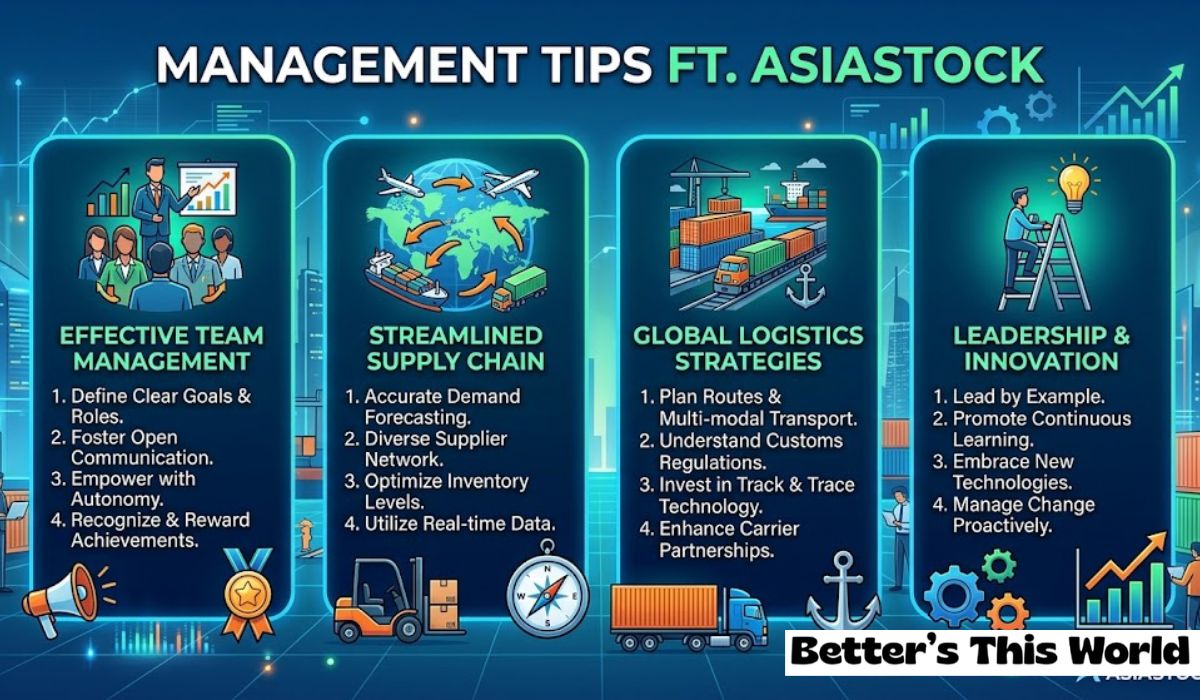
Effective leadership is the backbone of any flourishing enterprise, regardless of the industry or scale. When you implement proper management tips ftasiastock, you create a foundation for consistent growth and operational excellence. This guide is designed to help professionals navigate the complexities of modern team dynamics and resource allocation. By focusing on clear communication and strategic planning, you can transform a chaotic workplace into a well oiled machine that hits its targets reliably. Managing people and processes requires a blend of empathy, data driven decision making, and a forward thinking mindset. As markets become more competitive, the ability to adapt your internal strategies becomes even more critical. Throughout this article, we will explore various facets of professional leadership to ensure you have the tools necessary to lead with confidence and precision.
Strategic Planning and Goal Setting
The first step in any successful leadership journey is the establishment of clear, actionable objectives. Without a roadmap, a team can easily lose focus, leading to wasted resources and missed opportunities. Strategic planning involves looking at the long term vision of the company and breaking it down into manageable milestones. Each department should understand how its daily tasks contribute to the overarching goals of the organization. This alignment ensures that everyone is pulling in the same direction, which naturally increases efficiency.
To make these goals effective, they must be measurable and time bound. Instead of simply aiming for higher revenue, a manager should set a specific percentage increase to be achieved within a set quarter. This clarity allows for better tracking and accountability. Regularly reviewing these plans is also essential, as it provides an opportunity to pivot if market conditions change. A flexible strategy is often more resilient than a rigid one, allowing the business to weather unexpected challenges while remaining focused on the ultimate destination.
Enhancing Team Communication
Clear communication is the lifeblood of a productive work environment. When instructions are vague or feedback is infrequent, misunderstandings can lead to costly errors and employee frustration. Managers must prioritize open channels where team members feel comfortable sharing ideas and reporting issues. This involves not only speaking clearly but also being an active listener. Understanding the concerns and suggestions of frontline staff can provide invaluable insights that those at the top might otherwise overlook.
Utilizing modern collaboration tools can also bridge the gap in remote or hybrid work settings. Whether through dedicated messaging platforms or project management software, keeping everyone in the loop reduces the need for endless meetings. It is important to establish a culture where information flows freely in both directions. Regular one on one check ins are particularly effective for providing personalized guidance and addressing individual performance. By fostering a transparent atmosphere, you build trust and loyalty, which are the cornerstones of a high performing team.
Optimizing Resource Allocation
Managing resources effectively means ensuring that time, money, and talent are directed toward the most impactful activities. Many organizations struggle with “busy work” that takes up significant hours but yields little value. A skilled leader identifies these bottlenecks and reallocates effort toward high priority projects. This often requires a deep dive into current workflows to see where automation or process improvements can save time. By cutting out unnecessary steps, you free up your team to focus on innovation and creative problem solving.
Financial resources also require meticulous oversight to prevent waste. Budgeting should not be a static yearly event but an ongoing process of evaluation. Look for areas where expenses can be trimmed without sacrificing quality or morale. Investing in the right technology or training can often lead to long term savings that far outweigh the initial cost. When the team sees that resources are being handled responsibly, it reinforces their confidence in the leadership’s ability to navigate the company toward a stable and profitable future.
Fostering Employee Engagement
An engaged workforce is significantly more productive and innovative than one that feels disconnected from the company mission. Engagement goes beyond simple job satisfaction; it is about the emotional commitment an employee has toward their work and the organization. Leaders can cultivate this by recognizing achievements and providing opportunities for professional development. When people feel that their contributions are valued and that there is a path for growth, they are much more likely to go the extra mile.
Creating a positive company culture is another vital aspect of engagement. This involves setting a tone of respect, inclusivity, and collaboration from the top down. Encouraging a healthy work life balance also prevents burnout and ensures that employees remain energized and focused. Simple gestures, such as celebrating team wins or providing flexible working hours, can make a massive difference in how a team perceives their workplace. Ultimately, a happy team is a stable team, reducing turnover costs and preserving institutional knowledge.
Implementing Data Driven Decisions
In the modern business landscape, relying on gut instinct alone is a risky strategy. Data provides an objective look at performance, customer behavior, and operational efficiency. By implementing robust tracking systems, managers can identify trends and patterns that might not be visible on the surface. Whether it is analyzing sales figures, website traffic, or production timelines, data allows for more accurate forecasting and risk management. It takes the guesswork out of the equation and provides a solid basis for making big moves.
However, having data is only half the battle; the key is knowing how to interpret and act upon it. Training the team to understand key performance indicators ensures that everyone is looking at the same metrics. This shared understanding makes it easier to justify changes and gain buy in for new initiatives. It is also important to remember that data should complement, not replace, human intuition and experience. The best decisions often come from a combination of hard numbers and the nuanced understanding that only an experienced leader can provide.
Conflict Resolution Strategies
No workplace is entirely free of friction, and how a manager handles disagreements can define the entire office atmosphere. Ignoring conflict usually leads to resentment and a toxic culture, while addressing it too harshly can stifle creativity and open dialogue. The goal of effective conflict resolution is to find a solution that respects all parties while keeping the project on track. This requires a calm, neutral approach and a focus on the underlying issues rather than personal grievances.
Encouraging a culture of “constructive disagreement” can actually be beneficial for innovation. When people feel safe to challenge ideas, it often leads to better final products. The key is to keep the conversation focused on the work and the goals. Managers should act as mediators, helping the team find common ground and move forward. By resolving issues quickly and fairly, you demonstrate strong leadership and maintain the integrity of the team. This proactive stance prevents minor misunderstandings from escalating into major disruptions.
Continuous Process Improvement
The best organizations are those that never stop looking for ways to do things better. Continuous improvement is a mindset that encourages every team member to look for inefficiencies and suggest better ways of working. This can be achieved through regular “retrospectives” where the team reviews completed projects to see what went well and what could be improved. Small, incremental changes over time can lead to massive gains in productivity and quality. It creates an environment where excellence is the standard rather than the exception.
Adopting methodologies like Lean or Six Sigma can provide a structured framework for these improvements. These systems focus on eliminating waste and reducing variability in output. Even if you do not follow a specific formal methodology, the principle of constant evaluation remains valid. Encourage the team to experiment with new tools or workflows on a small scale before rolling them out across the department. This iterative approach allows for learning and adjustment, ensuring that the final process is as efficient as possible. By staying curious and adaptable, the business stays ahead of the curve.
Management Performance Metrics
| Metric Category | Primary Focus | Tracking Frequency |
| Operational Efficiency | Output vs Input ratio | Monthly |
| Employee Turnover | Retention and satisfaction | Quarterly |
| Project Completion | Deadline adherence | Per Project |
| Customer Feedback | Satisfaction and loyalty | Continuous |
| Financial Health | Profit margins and ROI | Monthly |
| Innovation Rate | New ideas implemented | Yearly |
FAQs
What is the most important skill for a new manager?
The most critical skill is active listening. Understanding your team’s needs and challenges allows you to provide the right support and make informed decisions that benefit everyone.
How can I motivate a team during a slow period?
Focus on professional development and internal improvements. Use the downtime to train staff on new skills or refine existing processes, which keeps them engaged and prepares the team for future busy spells.
Is it necessary to use project management software?
While not strictly mandatory, it significantly reduces the risk of miscommunication and missed deadlines. These tools provide a central “source of truth” for all project related information.
How do I handle a high performing but difficult employee?
Address the behavior privately and immediately. Explain how their actions impact team morale and work with them to find a way to maintain their high output while improving their interpersonal dynamics.
Should I involve the team in every decision?
Not every decision, as some require quick executive action. However, involving the team in decisions that directly affect their daily workflow increases buy in and often leads to more practical solutions.
Conclusion
Successfully applying management tips ftasiastock requires a commitment to both people and performance. By mastering the art of strategic planning and maintaining clear communication, you set a standard that your team will naturally strive to meet. A leader’s role is to remove obstacles, provide resources, and inspire the group toward a shared vision of success. Remember that the best strategies are those that evolve with the times, incorporating new data and feedback from the ground level. As you continue to refine your approach, focus on building a culture of trust and continuous improvement. This long term perspective not only ensures that you meet your current targets but also builds a resilient organization capable of thriving in any economic climate. Whether you are leading a small startup or a large department, the principles of empathy, clarity, and data driven action will always serve as your best guides. With the right techniques and a dedicated team, there is no limit to what your business can achieve in the coming years.

Streamlining Payroll Processes for Small Teams

The Future of Waterfront Luxury: Why Hudayriyat Island is Abu Dhabi’s Premier Investment Hub

Why Expanding Game Libraries Is Important for Digital Casinos

Identifying 3463215186: A Guide to Numeric Security

Robthecoins Business: Leading Innovation in Digital Commerce

Best Management Tips Ftasiastock for Business Growth

How to Fix Connectivity Issues HSSGamepad Fast

Contact Spring Hillmed Group: Medical Support and Access

Matching family Easter outfits are stealing the spotlight

Fintechzoom.com.au: Navigating the 2026 Australian Digital Finance Revolution

Temey_07: Future of Digital Content and Strategy

Tomleonessa679: Deep Dive into Digital Identity Management

Michaelmukhin1: Exploring Digital Strategy and Innovation

Analysis of AppleSatterReuters in Modern Media

Creating the Perfect Gaming Corner Zap-Internet

Getwhocares.com Gaming: Your Hub for Modern Digital Play

The Role of Audio Video Systems in Modern Work and Living Spaces

How Light Therapy Lamps Support Better Sleep and Natural Energy

Jerseyexpress Net Wells: Identifying Statement Charges

Young18gye: Understanding Modern Digital Identity Trends

EmbersLasVegas Gaming | Top Casino Reviews & Guide

LucyWells JerseyExpress | Leadership, Community & Sports

Understanding Pewcetowiec | The PC Enthusiast Culture

Understanding Buhsdbycr | Industry Applications & Trends

When Dorgenven New Version Released | 2026 Roadmap & News

Incestfl8x: System Update and Performance Framework

белочкш: Meaning, Context, and Its Role in Digital Expression

Money BetterThisWorld: Financial Growth Mindful Living and Personal Empowerment

BTWradiovent event by BetterThisWorld

BetterThisWorld.com Your Source for Motivation Money Guidance Tech Insights and Modern Living

Stocks BetterThisWorld: Learn Investing With Calm Focus And Purpose

Betterthisworld Business: Guide to Smart Growth and Modern Success

Gaming Vivid2201 Patches: Updates Improvements and Player Experience

The Endless Barrel Roll Challenge: Exploring the Internet’s Wildest Gaming Stunt

Slothokiturbo.net 683786714: Exploring the Platform and Its Features

BetterThisWorld BetterThisTechs News: Tech Trends and Digital Innovation

BetterThisWorldcom: A Comprehensive Guide to Personal Growth

Helpful Guide Convwbfamily: Care Understanding and Practical Wisdom

BTWLetterNews By BetterThisWorld Website

The Transformative Potential of Gaming: An Overview from BetterThisWorld

The Online Gaming Event PBLGamevent

Geekzilla Tio Geek: The Ultimate Tech and Culture Platform

DrivingMadio Do A Barrel Roll 2 Times: Guide to the Viral Gaming Trick

Python 54axhg5: Programming Guide for Modern Development

TGArchiveConsole Set Up: Guide for Easy Installation and Smooth Use

www BetterThisWorld com: Guide to the Platform of Growth and Self-Improvement

Betterthiscosmos Posts Betterthisworld: Ideas Growth and Universal Inspiration

Betterthisfacts Tips by Betterthisworld: Practical Insights for Smarter Daily Living

Types of Algorithmic Trading Strategies: A Complete Practical Overview