Guide
Keine Karriere-Subdomain Gefunden: Solutions and Fixes


Introduction
In the modern digital recruitment landscape, the technical stability of a job portal is just as important as the quality of the job descriptions themselves. When a prospective candidate clicks on a link to view open positions and is instead met with a technical error, the initial trust in the employer brand begins to erode. One particularly frustrating issue occurs when the system reports that keine karriere-subdomain gefunden. This error essentially means that the specific web address designated for recruitment purposes is either not properly configured in the Domain Name System or has not been correctly linked to the Applicant Tracking System.
Navigating these technical waters requires a blend of IT knowledge and HR strategy. If the recruitment portal is inaccessible, the entire talent pipeline comes to a standstill. Candidates today expect a seamless, mobile-optimized, and, most importantly, functional experience. Addressing the root causes of why someone might see the message keine karriere-subdomain gefunden involves checking DNS records, verifying SSL certificates, and ensuring that the hosting provider has correctly mapped the subdomain to the recruitment software. This article provides a comprehensive deep dive into the technical and strategic steps necessary to resolve this error and maintain a professional online presence for your hiring efforts.
The Critical Role of Domain Architecture in Hiring
The structure of a website often reflects the organizational maturity of a company. When it comes to hiring, using a dedicated space for jobs is not just a matter of aesthetics; it is a technical necessity for high-volume recruiting. A well-organized domain architecture ensures that the traffic intended for the careers section is routed efficiently without putting undue load on the primary corporate website. This separation allows for specialized tracking, unique design elements, and specific security protocols that are tailored to the sensitive data handled during the application process.
When a candidate encounters a broken link or a missing page, it creates a sense of instability. They might wonder if the company is technologically backward or if the position they are applying for even exists. By prioritizing a robust architecture, companies can avoid the pitfalls of downtime and misconfigured redirects. A clear path from the homepage to the hiring portal is essential for maintaining a low bounce rate. Furthermore, a dedicated subdomain allows the HR department to have more control over their content without needing to interfere with the main site’s core code. This autonomy leads to faster updates and a more agile recruitment process that can respond to market changes in real time.
Understanding DNS Records and Propagation
Behind every web address is a complex set of instructions known as DNS records. These records act as the internet’s phonebook, translating human-readable names into machine-readable IP addresses. For a recruitment portal to work, specific records like CNAME or A records must be perfectly aligned. If these are entered incorrectly, or if there is a typo in the hostmaster’s dashboard, the end user will inevitably encounter an error stating that no valid path was found. The process of updating these records is not instantaneous; it requires a period known as propagation, which can take anywhere from a few minutes to forty-eight hours.
During this propagation window, different users in different geographic locations might see different results. One person might access the site perfectly while another sees a “not found” message. This inconsistency can be a nightmare for global recruitment campaigns. It is vital for IT teams to use tools that check global propagation status to ensure that the site is live for everyone. Additionally, ensuring that the Time to Live (TTL) settings are adjusted before making changes can help speed up the transition. Understanding these technical nuances is the first step in preventing connectivity issues that hinder the talent acquisition team from reaching their goals and filling critical vacancies.
Common Configuration Errors in HR Software
Most modern companies do not build their own job boards from scratch. Instead, they rely on specialized Applicant Tracking Systems (ATS) that offer hosted job pages. The integration process usually involves pointing a custom subdomain to the ATS provider’s servers. This is where most configuration errors happen. Often, the provider requires a specific CNAME entry that points to their unique cloud infrastructure. If the internal IT team misses a character or fails to include the trailing dot in the DNS settings, the connection will fail, leading to an inaccessible page.
Another frequent issue is the mismatch between the subdomain registered in the ATS dashboard and the one configured at the domain registrar. These two must be identical. For instance, if the software expects “https://www.google.com/search?q=jobs.company.com” but the DNS is set to “https://www.google.com/search?q=career.company.com,” the handshake between the two systems will never occur. Furthermore, some platforms require a verification file to be uploaded or a TXT record to be added to prove ownership of the domain. Neglecting these small but vital steps will result in a broken link. Regular audits of the integration settings can prevent these silent failures from lingering and blocking potential applicants from submitting their resumes.
Security Certificates and Their Impact on Accessibility
In an era where data privacy is paramount, SSL certificates are no longer optional. A recruitment site handles highly personal information, including addresses, phone numbers, and work histories. If the SSL certificate for a subdomain is missing, expired, or improperly installed, modern web browsers will block access entirely or show a “connection not secure” warning. This is often misinterpreted by users as a missing page. Even if the DNS is correct, a security mismatch can prevent the page from loading, creating a digital wall between the candidate and the job opportunity.
Managing certificates for subdomains can be more complex than for a main site. Organizations must choose between individual certificates, wildcard certificates, or managed SSL services provided by their ATS. If a wildcard certificate is used, it must be correctly deployed across all relevant servers. If the ATS handles the SSL, the company must often delegate certain permissions or wait for the provider to issue the certificate after the DNS has propagated. Failure to synchronize these efforts leads to a situation where the page technically exists but is unreachable due to security protocols, effectively rendering the recruitment portal useless for the duration of the outage.
Impact of Technical Failures on Employer Branding
Your digital presence is the first interview a candidate has with your company. If that interview starts with a technical error, the first impression is one of incompetence or neglect. Employer branding is the art of selling the company culture and values to prospective hires. When the technical infrastructure fails, it sends a message that the company does not value the candidate’s time or the importance of the hiring process. This can be particularly damaging when trying to recruit top-tier tech talent who are sensitive to the quality of a company’s digital tools.
A broken recruitment link can quickly become a topic of discussion on platforms like LinkedIn or Glassdoor. Candidates who have a negative experience are likely to share it, potentially deterring other high-quality applicants. Conversely, a smooth, fast, and reliable application process reflects a company that is organized, professional, and invested in its people. Protecting the employer brand requires a proactive approach to website maintenance. It is not enough to just post jobs; the gateway to those jobs must be guarded and maintained with the same rigor as the company’s flagship products. Consistent monitoring ensures that any issues are caught and fixed before they can tarnish the company’s reputation.
Search Engine Optimization for Recruitment Pages
A recruitment portal that cannot be found by search engines is a missed opportunity for organic traffic. Many candidates start their job search on Google, and if your careers page is properly indexed, it can appear directly in search results. However, if there are issues with how the subdomain is recognized, search engine bots will be unable to crawl and index the job listings. This results in a lack of visibility, forcing the company to rely more heavily on expensive paid job boards. SEO for subdomains involves ensuring that sitemaps are updated and that there are no “noindex” tags accidentally left in the code.
Furthermore, search engines prioritize sites that load quickly and are free of crawl errors. If the connection to the jobs page is intermittent or produces errors, the search engine will lower the site’s ranking or remove it from the index altogether. This is why resolving technical connectivity issues is not just about the immediate user experience, but also about long-term discoverability. Proper canonical tags should also be used to ensure that search engines understand the relationship between the main site and the hiring portal. By treating the recruitment section as a vital part of the overall SEO strategy, companies can significantly reduce their cost-per-hire by attracting more direct applicants.
Troubleshooting Steps for Internal IT Teams
When a problem arises, a systematic approach to troubleshooting is essential for a quick resolution. The first step should always be to verify the DNS settings using an external lookup tool. This confirms whether the records are visible to the outside world and if they point to the correct IP address or alias. If the DNS looks correct, the next step is to check the server logs or the ATS status page. Often, the issue lies with the third-party provider rather than the company’s own infrastructure. Identifying the location of the break in the chain saves time and prevents unnecessary changes to working systems.
Once the source is identified, clear communication between the HR and IT departments is necessary. HR should be informed of the expected downtime so they can pause active social media campaigns or paid advertisements. If the issue is related to an expired certificate, renewal should be prioritized immediately. In cases where the subdomain was recently created, simply waiting for propagation might be the answer, but this should be confirmed by checking the TTL values. Documenting these incidents and their solutions creates a playbook for the future, ensuring that if similar issues occur again, the time to resolution is minimized, and the flow of applications is restored as quickly as possible.
Technical Configuration Overview
| Feature | Requirement | Common Issue | Solution |
| DNS Record | CNAME or A Record | Typo in the hostname | Verify with lookup tools |
| SSL Certificate | Valid HTTPS | Expired certificate | Automate renewals |
| ATS Integration | URL Mapping | Mismatched URLs | Align dashboard and DNS |
| Propagation | Time (1-48 hours) | Checking too early | Use global DNS checkers |
| Redirection | 301 Redirect | Circular redirects | Clean up .htaccess files |
FAQs
What does it mean when a recruitment page is not found?
This usually indicates that the link between the web address and the actual content is broken. It could be a DNS error, a server outage at the provider’s end, or an incorrect configuration in the website’s backend.
How long does it take to fix a subdomain error?
If the issue is a simple setting change in the DNS, it can take anywhere from a few minutes to two days for the change to take effect globally. If it is a software configuration issue, it can often be fixed instantly once identified.
Can a missing subdomain affect my Google rankings?
Yes. If search engines cannot access your page, they will remove it from their search results. Constant errors can also negatively impact the perceived authority of your main domain.
Do I need a separate SSL for my job site?
If you are using a subdomain, you need a way to secure it. This can be done via a wildcard SSL that covers all subdomains or a dedicated certificate for that specific address.
Conclusion
The technical integrity of a company’s hiring portal is a fundamental pillar of a successful recruitment strategy. When the error message keine karriere-subdomain gefunden appears, it serves as a critical warning that the bridge between the company and its future employees has been severed. This issue, while often technical in nature, has far-reaching implications for employer branding, candidate experience, and overall hiring efficiency. It is not merely a task for the IT department but a shared responsibility that requires coordination between HR, marketing, and technical teams to ensure that the gateway to the company remains open and inviting at all times.
By understanding the complexities of DNS management, the necessity of robust security protocols, and the importance of seamless ATS integration, organizations can build a more resilient digital infrastructure. Proactive monitoring and a clear troubleshooting protocol can prevent minor technical glitches from turning into major recruitment hurdles. In a competitive job market, the ability to provide a stable and professional application process is a significant advantage. Ensuring that your career portal is always reachable is an investment in your company’s growth and its reputation as a modern, tech-savvy employer. Resolving these errors quickly ensures that no talented individual is ever turned away by a broken link.

In the modern digital landscape, encountering a specific numerical identifier like 3463215186 can often lead to a variety of questions regarding its origin and purpose. Whether this sequence appears in a database, a specialized registry, or as a contact point, understanding the context behind such digits is crucial for maintaining security and organizational clarity. Digital footprints are increasingly composed of these unique strings, which serve as primary keys in vast networks of information. When you see a number such as 3463215186, it is important to approach it with a systematic method of verification. This ensures that you are not interacting with potentially malicious sources while also allowing for the efficient categorization of legitimate data. This article will explore the broader implications of numerical tracking, the technical infrastructure that supports large scale indexing, and the best practices for handling unknown sequences in your daily digital interactions. By demystifying the way these strings are generated and utilized, we can better navigate the complexities of a data driven world.
The Architecture of Unique Identifiers
The foundational role of unique strings in computer science cannot be overstated. Every time a system generates a sequence of digits, it is participating in a global effort to maintain order within massive datasets. These identifiers function as the DNA of a digital record, allowing different software applications to communicate without confusing one record for another. Typically, such sequences are generated using complex algorithms that ensure a high degree of randomness or a specific sequential logic. This prevents collisions where two different entities might accidentally be assigned the same label. For developers and system administrators, these digits are the backbone of database integrity, ensuring that queries return the correct information every single time.
In many industrial applications, these numbers are used to track assets through a global supply chain. From the moment a component is manufactured to its final delivery, it carries a numerical tag that records its history. This level of transparency is essential for quality control and regulatory compliance. When a specific string appears, it often points back to a detailed log containing timestamps, location data, and personnel involvement. Understanding this architecture helps individuals realize that these numbers are rarely random; they are usually the result of a highly structured environment designed for maximum accountability and precision in a high speed global economy.
Digital Privacy and Verification Methods
When an unknown number appears on a personal device or a business log, the first instinct for many is to verify its legitimacy. This is a vital step in protecting personal information from phishing attempts or unwanted solicitations. Verification involves using trusted lookup services that aggregate data from public records and user reports. These platforms allow people to see if a specific sequence has been flagged for suspicious activity or if it belongs to a verified organization. It is always better to spend a few minutes researching a string before providing any sensitive information or clicking on associated links. This proactive stance is one of the most effective ways to stay safe online.
Beyond simple lookups, verification also includes checking the format and prefix of the digits. Different regions and industries follow specific standards for how their identifiers are structured. For instance, international telecommunication standards dictate certain patterns, while financial institutions use different checksum algorithms to validate account numbers. Familiarizing yourself with these common structures can help you quickly spot anomalies. If a sequence does not match the expected pattern for its claimed origin, it should be treated with extreme caution. Maintaining a healthy level of skepticism regarding unknown data points is a cornerstone of modern digital literacy and personal security management.
The Role of Databases in Data Retrieval
Behind every numerical string is a database that stores the actual value associated with those digits. These databases are optimized for speed, allowing for near instantaneous retrieval of information across the internet. When a user inputs a search query or a system scans a barcode, the backend infrastructure works to match that specific input with its corresponding entry. This process relies on indexing, a method of organizing data that allows search engines to bypass trillions of irrelevant records. Without efficient indexing, the digital world would grind to a halt, as finding a single specific record would take an impractical amount of time.
Modern databases also utilize relational models to link various data points together. This means that a single identifier might be connected to a name, a location, and a history of transactions. This interconnectedness is what makes data so powerful for businesses and researchers alike. It allows for the creation of detailed profiles and the analysis of trends over time. However, this power also necessitates robust security measures to prevent unauthorized access. Data encryption and strict access controls are mandatory for any organization that manages large volumes of identifying strings. Ensuring that the link between a number and its personal data remains secure is a top priority for IT professionals worldwide.
Handling Unsolicited Numerical Contacts
In the era of automated communication, receiving messages or calls from unknown numerical sources has become a common occurrence. These interactions often range from harmless marketing efforts to sophisticated social engineering schemes. The key to handling these situations is to never feel pressured into immediate action. Scammers often use a sense of urgency to trick people into revealing passwords or financial details. If you receive a communication that seems suspicious, the safest course of action is to ignore it or block the source. Most legitimate organizations will use multiple channels to reach you if a matter is truly urgent and will never ask for sensitive info over an unverified line.
Setting up filters on your communication devices can significantly reduce the amount of noise you have to deal with daily. Many modern smartphones have built in features that identify and silence potential spam based on community reports. Utilizing these tools allows you to focus on important interactions while the technology handles the vetting process in the background. Additionally, you should be mindful of where you share your own contact information. Limiting the public availability of your personal identifiers reduces the likelihood of them being harvested by automated scraping tools used by telemarketers and malicious actors.
Technical Standards for String Validation
To ensure that numerical data remains accurate as it moves between different systems, technical experts have developed various validation standards. One of the most common methods is the use of a checksum, which is a calculated value based on the other digits in the sequence. If even a single number is changed or transposed, the checksum will no longer match, alerting the system to an error. This is why you might get an error message immediately if you mistype a credit card number or a tracking code. It is an elegant and simple way to maintain data integrity without needing a constant connection to a central server.
International organizations also set standards for specific types of identifiers to ensure global compatibility. For example, ISBNs for books or EANs for retail products follow a strict format that is recognized in every country. This standardization allows for seamless international trade and library management. When a system encounters a string that follows these rules, it can immediately categorize it and route the information to the correct department. Staying informed about these technical standards is useful for anyone working in logistics, data entry, or information technology, as it provides a clearer understanding of how the world’s information is organized.
Protecting Your Own Numeric Identity
Just as you vet the numbers that contact you, you must also be protective of the numbers that represent you. Your social security number, bank account details, and even your phone number are valuable assets in the digital economy. If these identifiers fall into the wrong hands, they can be used to construct a fraudulent version of your identity. This is why it is essential to use unique, strong passwords for every account and to enable multi factor authentication whenever possible. These layers of security ensure that even if one of your identifiers is compromised, the attacker cannot easily access your entire digital life.
Be cautious about the permissions you grant to mobile applications and websites. Many services request access to your contacts or your device ID without a clear functional need. By being selective about what information you share, you minimize your digital footprint and reduce the surface area for potential attacks. Regularly reviewing your financial statements and credit reports can also help you spot unauthorized use of your identifiers early on. The faster you catch a discrepancy, the easier it is to resolve the issue and prevent further damage. Identity protection is an ongoing process that requires consistent attention in our interconnected world.
The Future of Digital Identification
As we move toward a more integrated technological future, the way we use numerical identifiers is likely to evolve. We are already seeing the rise of biometric identification and decentralized IDs that do not rely on a single central authority. These new systems aim to give individuals more control over their own data while making it harder for unauthorized parties to forge identities. Blockchain technology, for instance, offers a way to create permanent and unalterable records that can be verified by anyone without compromising the underlying privacy of the individual. This could revolutionize everything from voting systems to medical record management.
However, even with these advancements, the use of simple numerical strings will likely persist due to their efficiency and ease of use. The challenge for the future will be to create a system where these numbers provide utility without sacrificing anonymity. Developers are working on “zero knowledge proofs,” a type of cryptography that allows one party to prove they know a specific piece of information without actually revealing the information itself. This could allow for secure verification of an identifier like 3463215186 without ever exposing the sensitive data it represents. As these technologies mature, they will provide a safer and more transparent foundation for the global digital economy.
Verification and Format Standards
| Identifier Type | Standard Format | Primary Use Case |
| Asset Tracking | 10 to 12 Digits | Logistics and Supply Chain |
| Telecom ID | E.164 International | Global Voice Communication |
| Checksum Value | Modulo 10 / Luhn | Credit Card Validation |
| System Key | UUID / GUID | Database Record Indexing |
| Regional Code | 3 to 5 Digit Prefix | Geographic Categorization |
| Product Code | GTIN / UPC | Retail Inventory Management |
FAQs
Why did I receive a call from 3463215186?
Unknown calls are often generated by automated systems for marketing or verification purposes. If you do not recognize the number, it is best to let it go to voicemail and research the source before calling back.
Is it safe to search for specific numbers online?
Yes, searching for a number is a standard safety practice. Use reputable lookup sites and avoid clicking on suspicious links within the search results that promise “private” information for a fee.
How can I stop unknown numbers from contacting me?
Most mobile devices have settings to “Silence Unknown Callers.” Additionally, you can register your number on national “Do Not Call” lists to reduce the volume of legal telemarketing.
What should I do if a number is flagged as spam?
If a number is flagged by the community, you should block it immediately. Reporting the number through your phone’s interface helps improve the filter for other users as well.
Can a numerical string contain hidden malware?
A simple string of digits cannot contain malware itself, but links sent alongside a number in a text message can lead to malicious websites. Never click links from unverified sources.
Conclusion
Navigating the world of numerical identifiers like 3463215186 requires a balance of technical understanding and practical caution. These strings of digits are the essential tools that allow our global infrastructure to function, from tracking packages to securing financial transactions. However, because they are so ubiquitous, they are also frequently used by those looking to exploit the unwary. By practicing consistent verification and maintaining strict control over your own digital identity, you can enjoy the benefits of a connected world without falling victim to its risks. Remember that legitimate organizations prioritize your security and will always provide clear, verifiable ways to communicate. As technology continues to advance, our methods for identifying and validating data will become even more sophisticated, offering greater privacy and efficiency. Stay informed about the latest security trends and always use trusted tools to manage your digital presence. With a proactive mindset, you can turn a moment of uncertainty about an unknown number into an opportunity to strengthen your overall digital hygiene. The digits 3463215186 serve as a reminder that in the information age, knowledge is the most powerful defense we have.

Introduction
In the modern era of digital commerce, bank statements have become increasingly complex, often filled with alphanumeric codes and cryptic descriptions that can leave consumers feeling bewildered. One such entry that has garnered attention is the jerseyexpress net wells descriptor. When an unfamiliar name appears on a financial record, the natural reaction is one of caution and curiosity. Understanding these labels is not just about tracking where your money goes; it is a fundamental aspect of digital literacy and personal security in an age where automated billing and third-party processors are the norm.
The presence of a specific merchant string like jerseyexpress net wells typically points toward a subscription service, a retail purchase, or a localized transaction processed through a specific banking gateway. Deciphering these codes requires a systematic approach, looking at the timing of the charge, the amount involved, and the associated banking institution. By demystifying these labels, consumers can distinguish between legitimate recurring expenses and unauthorized activity. This guide serves to provide clarity on how such descriptors are generated and what steps you should take to manage your transaction history effectively, ensuring that your financial landscape remains transparent and under your control.
The Mechanics of Merchant Descriptors
Merchant descriptors are the short strings of text that appear on your credit card or bank statement to identify the origin of a charge. These labels are often truncated or formatted in a way that includes the name of the service provider followed by the location of the headquarters or the name of the processing bank. In many cases, a company may use a parent name or a specialized billing URL that differs slightly from the public-facing brand name. This can lead to confusion when a user tries to match a weekend purchase with a Monday morning statement entry.
The system is designed to provide as much information as possible in a limited character space. Often, the presence of a suffix in the descriptor indicates the specific banking network used to settle the transaction. For example, some strings include the name of a large financial institution to signify that the merchant uses that bank’s merchant services. This does not necessarily mean the bank itself is the seller, but rather that it acted as the bridge between the buyer and the vendor. Understanding this distinction is crucial for consumers who are trying to trace the path of their funds and verify the legitimacy of a specific line item in their monthly summary.
Investigating Unrecognized Charges
When you encounter an entry that does not immediately ring a bell, the first step is to check the date and the exact dollar amount. Often, a charge might appear a few days after the actual purchase, especially if the transaction took place over a weekend or a public holiday. Comparing the amount against digital receipts in your email or your physical collection of slips can often solve the mystery. If the amount is a round number or matches a common subscription price, it is highly likely tied to a recurring service that you may have authorized months prior.
Another effective strategy is to perform a digital search for the specific string of text. Many companies maintain dedicated pages to explain their billing descriptors to reduce the volume of customer service inquiries. If the descriptor includes a website address, visiting that URL directly can sometimes lead you to a customer support portal where you can view your invoice history. It is also helpful to check if any other members of your household have access to the card, as family-sharing accounts for streaming, gaming, or shopping can often result in unfamiliar names appearing on the primary account holder’s statement.
The Role of Third Party Payment Processors
Many small to medium-sized businesses do not handle their own credit card processing. Instead, they hire third-party processors who manage the security and logistics of the transaction. When this happens, the processor’s name or their specific coding system might appear on your statement instead of the local shop or the niche website you visited. This is a standard industry practice aimed at maintaining high security standards and reducing the risk of data breaches for smaller vendors. However, it does add a layer of complexity for the consumer.
These processors often use a standard format that combines a shortened version of the merchant’s name with their own internal identifiers. This is why you might see a combination of a brand and a banking city or a specific network. If you see a charge that seems to come from a different city or state than where you live, it is often because the processing hub is located in a major financial center. Being aware of this geographical disconnect can prevent unnecessary alarm, as the location on the statement reflects the merchant’s financial home rather than the point of sale.
Ensuring Account Security and Vigilance
While many unfamiliar descriptors turn out to be legitimate, it is essential to remain vigilant against unauthorized activity. Cybercriminals often use small, innocuous-looking charges to test whether a credit card is active before attempting larger thefts. If you find a charge that truly cannot be accounted for after checking your receipts and household activity, it is vital to contact your financial institution immediately. They can provide more granular details about the transaction, such as the physical location of the merchant or the time the “card-present” or “card-not-present” event occurred.
Banks have sophisticated fraud detection systems, but the consumer remains the first line of defense. Setting up real-time transaction alerts on your mobile device is one of the most effective ways to stay on top of your spending. These notifications usually display the merchant name the moment the card is swiped or used online, allowing you to verify the charge while the memory of the purchase is fresh. This proactive approach significantly reduces the “detective work” required at the end of the month when you are reviewing a long list of entries on a static statement.
Subscription Management and Recurring Fees
A significant portion of confusing statement entries originates from subscription models. In the current economy, many services—from software and cloud storage to gym memberships and meal kits—operate on an automated billing cycle. These services often offer a low-cost or free trial period that transitions into a full-priced subscription. If a user forgets to cancel the trial, the subsequent charge can appear as a surprise. The descriptor for these recurring fees might be different from the one used for the initial sign-up, leading to further confusion.
To manage these effectively, it is wise to keep a dedicated list of all active subscriptions and their respective billing dates. Many modern banking apps now include a “Subscription Manager” feature that attempts to identify these recurring charges automatically. By reviewing this section of your app, you can see the projected dates for future withdrawals. If a descriptor like jerseyexpress net wells appears, and you find it corresponds with a monthly or annual service you value, you can label it within your banking app to ensure it is correctly categorized in future budget reports.
Communicating with Financial Institutions
If an investigation into a specific charge yields no results, the next logical step is to initiate a formal inquiry with your bank. Most financial institutions have a specific process for “transaction disputes” or “billing errors.” When you call or use the online portal, be prepared to provide the date, the exact amount, and the full descriptor as it appears on the screen. The bank can often see a “merchant category code” which tells them if the business is a restaurant, a retail store, or a service provider, which can be a huge clue in identifying the charge.
It is important to distinguish between a “dispute” and a “fraud report.” A dispute is usually for a merchant you know but where there was an issue with the product or the billing amount. A fraud report is for a transaction that you definitely did not authorize. Banks take fraud reports very seriously and will usually cancel the current card and issue a new one to prevent further unauthorized access. Navigating these conversations with clarity and specific data points ensures that your concerns are addressed quickly and that your funds are protected.
Future Trends in Statement Clarity
The financial industry is aware of the frustration caused by cryptic billing descriptors and is moving toward a more transparent “Enhanced Merchant Data” standard. This initiative aims to replace the short, confusing strings of text with full business names, logos, and even maps of where the transaction took place. Some major credit card issuers have already begun implementing these features in their mobile apps, providing a much more intuitive user experience. Instead of a code, you might see the actual logo of the coffee shop or the website where you made the purchase.
As these technologies become more widespread, the need for manual investigation will likely decrease. However, until these standards are universal, the burden of verification remains with the consumer. Staying informed about how the current system works and knowing which tools are available for verification will continue to be a valuable skill. By taking an interest in the details of your financial statements, you not only protect your wallet but also gain a deeper understanding of your own spending habits and the broader digital economy in which we participate.
Common Statement Descriptor Elements
| Element | Description | Example |
| Merchant Name | The primary name of the business or parent company. | JERSEYEXPRESS |
| Platform/Network | The digital gateway used for the transaction. | NET |
| Banking Partner | The financial institution processing the payment. | WELLS |
| Location/Code | A city, state, or internal reference number. | 800-555-0199 |
FAQs
What should I do if I see jerseyexpress net wells on my statement?
First, check your recent email receipts for any online purchases or subscriptions made around that date. If you do not recognize the name, check with other family members who might have used the card. If it remains unrecognized, contact your bank to ask for more details about the merchant.
Why does my statement show a different city than where I bought the item?
This is very common. The location listed on a statement usually refers to the headquarters of the company or the location of their payment processing center, rather than the physical store where you made the purchase.
Can a merchant change their descriptor?
Yes, merchants can update their billing information with their bank at any time. This often happens after a company merger, a rebranding, or a change in their payment processing provider.
Conclusion
Navigating the intricacies of modern financial statements requires a blend of patience and proactive investigation. While entries like jerseyexpress net wells may initially seem mysterious, they are almost always the result of standardized banking protocols designed to facilitate secure digital commerce. By understanding the roles of merchant descriptors, third-party processors, and banking networks, consumers can move from a state of confusion to one of confident financial management. The key is to maintain a consistent habit of reviewing transactions and keeping a clear record of digital subscriptions.
Protecting your financial health involves more than just saving money; it involves the careful monitoring of the channels through which your money flows. As the industry moves toward more descriptive and visual transaction data, the process of verifying charges will become significantly easier. Until then, using the strategies of cross-referencing receipts and utilizing bank alerts remains the best way to ensure every line item on your statement is legitimate. By staying informed and utilizing the tools provided by your financial institution, you can ensure that your personal economy remains secure, transparent, and accurately reflected in your monthly reports.
Introduction
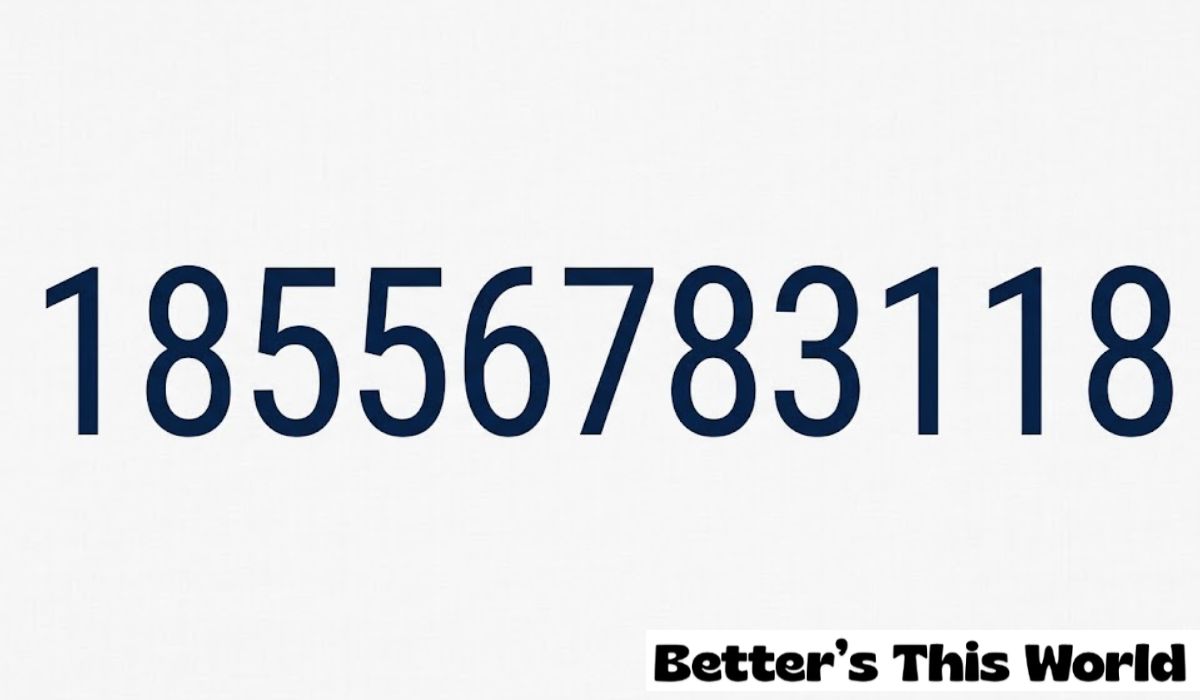
The digital landscape is constantly shifting, bringing new methods of connection and verification to the forefront of our daily lives. Within this complex ecosystem, specific identifiers and numerical strings often emerge as points of interest for those seeking to understand how data and voice communications are routed. One such identifier is 18556783118, which represents a bridge between automated systems and the end-user. In an era where clarity and transparency are paramount, unraveling the purpose of such sequences helps demystify the technology we rely on for security, customer service, and logistical updates.
Understanding the origin and function of a specific number involves looking at the broader context of telecommunications. As businesses move toward more integrated cloud-based solutions, the lines between traditional telephony and internet-protocol-based systems have blurred. This integration allows for more efficient handling of high-volume inquiries and automated notifications. However, for the average person, encountering an unfamiliar string like 18556783118 can prompt questions about its legitimacy and the nature of the information being conveyed. This article seeks to explore the various facets of modern communication protocols, providing a comprehensive overview of how these systems operate and what individuals should keep in mind when interacting with them.
The Evolution of Automated Messaging Systems
The way organizations communicate with their audience has undergone a radical transformation over the last decade. Previously, interactions were predominantly manual, requiring significant human resources to manage outreach and response. Today, sophisticated algorithms and automated platforms handle the heavy lifting. These systems are designed to deliver time-sensitive information, such as appointment reminders, multi-factor authentication codes, and shipping updates, with incredible speed.
This shift has necessitated the use of dedicated lines and toll-free identifiers to maintain consistency across different regions. When a system initiates a contact, it utilizes specific routing paths to ensure the message reaches its destination without being filtered as noise. The efficiency of these platforms has made them indispensable for industries ranging from healthcare to finance. By automating routine notifications, companies can focus their human talent on more complex problem-solving tasks, while users enjoy the convenience of instant updates at their fingertips.
Identifying Legitimate Communication Channels
With the rise of automated outreach, the ability to distinguish between genuine business communications and unsolicited contact has become a vital skill. Legitimate organizations typically follow a set of standardized protocols when reaching out to consumers. They often use verified identifiers that can be cross-referenced through official websites or customer service portals. Transparency is the hallmark of a professional entity, and they will rarely ask for sensitive personal information through an unencrypted or unexpected channel.
To stay safe, it is helpful to maintain a list of known contact points for the services you use most frequently. If you receive a notification from an unfamiliar source, the first step should always be independent verification. This might involve logging into a secure account directly rather than clicking on links provided in a message. By staying informed about the common tactics used in modern telecommunications, you can navigate the digital world with greater confidence and protect your personal data from potential compromises.
The Role of Toll Free Codes in Global Business
Toll-free numbers have long served as a staple of professional identity, signaling that a company is accessible and willing to absorb the costs of communication for its clients. These codes, often beginning with 855 or similar prefixes, provide a centralized point of contact that transcends geographical boundaries. This is particularly important for businesses operating on a national or international scale, as it creates a unified brand image regardless of where the physical office is located.
Beyond mere accessibility, these numbers are often integrated into advanced call distribution systems. These systems can route a single incoming signal to various departments or even different countries based on the time of day or the specific needs of the caller. This logistical flexibility ensures that high volumes of traffic are managed effectively, reducing wait times and improving the overall user experience. The strategic use of these identifiers remains a cornerstone of corporate communication strategy in the 21st century.
Privacy Protocols and Data Protection
As we share more of our lives online, the protocols governing how our contact information is used have become increasingly stringent. Regulatory frameworks around the world now dictate how organizations must handle the data associated with their communication efforts. This includes obtaining explicit consent before sending automated messages and providing clear pathways for individuals to opt out of future contact. These measures are designed to return a sense of control to the consumer.
For the technical side of operations, encryption and secure routing are the standard. When a system transmits data, it must do so in a way that prevents unauthorized interception. This is especially true for verification services where security is the primary product. Users are encouraged to familiarize themselves with the privacy policies of the companies they interact with, as these documents outline exactly how identifiers are utilized and what steps are taken to safeguard the integrity of the communication channel.
Enhancing User Experience Through Digital Integration
The modern consumer expects a seamless experience across all platforms, whether they are using a mobile app, a web browser, or a traditional phone line. Integration is the key to meeting these expectations. By linking automated messaging systems with customer relationship management software, businesses can provide highly personalized interactions. This means that if you receive an alert, the system already has the context of your previous interactions, making the information more relevant and actionable.
This level of integration also allows for two-way communication in many instances. Rather than just receiving a one-way broadcast, users can often respond to prompts to confirm appointments or request more details. This interactive element transforms a simple notification into a functional tool. As technology continues to advance, we can expect even greater levels of synchronization, where our devices can intelligently filter and prioritize these communications based on our current needs and preferences.
Common Misconceptions About Automated Outreach
There are several myths surrounding the use of automated communication strings that can cause unnecessary concern for users. One common misconception is that any contact from an unrecognized toll-free number is inherently malicious. While caution is always warranted, many of these signals are actually vital functional components of services we use every day, such as banking alerts or delivery tracking. Understanding that these are often “system-generated” rather than “human-initiated” can help clarify their purpose.
Another myth is that interacting with these systems automatically compromises your device. In reality, simply receiving a message or a call is generally safe; the risk usually lies in following suspicious links or providing private information to unverified parties. By educating ourselves on the mechanics of how these platforms work, we can move past the fear of the unknown and focus on utilizing the benefits of a connected society while maintaining a healthy level of skepticism toward unverified requests.
The Future of Interactive Communication Technology
Looking ahead, the landscape of digital interaction is poised for even more significant changes. The rise of artificial intelligence and machine learning is already beginning to influence how automated systems handle inquiries. We are moving toward a future where “smart” identifiers can predict the type of assistance a user needs before they even ask. This proactive approach aims to eliminate friction and provide solutions in real-time, further blurring the line between human and machine interaction.
Furthermore, the expansion of 5G networks and the Internet of Things (IoT) means that more devices than ever will be communicating with one another. This will likely lead to a new generation of identifiers and routing protocols designed to handle the massive influx of data. As these technologies mature, the focus will remain on balancing efficiency with security, ensuring that as our world becomes more connected, it also becomes safer and more intuitive for everyone involved.
Communication Specifications Table
| Feature | Description |
| Identifier Type | Toll-Free / Automated System |
| Primary Prefix | 855 |
| Communication Mode | Voice and Automated Messaging |
| Common Uses | Customer Support, Verification, Alerts |
| Security Level | Protocol-dependent (Typically Encrypted) |
| Geographic Reach | North American Numbering Plan (NANP) |
FAQs
What is the purpose of a 18556783118 identifier?
It is typically used by automated systems to facilitate business-to-consumer communications, such as alerts, notifications, or customer service routing.
How can I verify if a contact is legitimate?
Always check the official website of the company claiming to contact you and use their verified support channels to confirm the reach-out.
Is there a cost to receive messages from these numbers?
Most automated notifications are free to the recipient, though standard messaging or data rates from your service provider may apply depending on your plan.
Can I block automated identifiers if they become intrusive?
Yes, most mobile devices and service providers offer tools to block specific numbers or filter out potential spam.
Why do companies use 855 prefixes?
The 855 prefix is a designated toll-free code that allows customers to contact a business without incurring long-distance charges.
Conclusion
The intricacies of modern telecommunications, including the use of identifiers like 18556783118, reflect a world that is more interconnected than ever before. While the technical details of routing and automated messaging may seem daunting at first glance, their primary goal is to enhance the efficiency and reliability of the information we receive. By understanding the evolution of these systems and the protocols put in place to protect our privacy, we can better appreciate the convenience they provide in our fast-paced digital lives.
As we move forward, the importance of digital literacy cannot be overstated. Being able to identify legitimate communication channels and understanding the role of toll-free services allows individuals to engage with technology safely. While the methods of outreach will continue to evolve with the advent of new technologies like artificial intelligence, the core principles of transparency and user security will remain the foundation of effective communication. Staying informed is the best way to navigate this landscape, ensuring that every connection made is a step toward a more efficient and secure future. Through continued education and awareness, the mystery of unfamiliar numerical strings is replaced by the confidence of an informed digital citizen.

FintechZoom.com: A Smart Resource for Financial News, Investment Education

How to Defend Drug Crime Charges

Tips for Sourcing Bedding Fabrics

Why British Property Investors Are Leveraging U.S. Real Estate Instead of Cashing Out

Guide to Choosing Industrial Portable Radios

Tips for Protecting Your Rights After an Accident

Why Sophisticated Global Investors Are Using Leverage Instead of Cash in U.S. Real Estate

Tips for Choosing Packaging Bags

Tips for Choosing Between Blinds and Shades

Building a Future, Not Just Buying a Home: Why Melbourne Families Are Choosing Smarter Communities

Why Palm Jumeirah Continues to Define the Future of Ultra-Prime Living in Dubai

How to Shop Smart During Festive Sales Without Compromising on Style?

How Child Custody Decisions Are Made In Boston

Streamlining Payroll Processes for Small Teams

The Future of Waterfront Luxury: Why Hudayriyat Island is Abu Dhabi’s Premier Investment Hub

Why Expanding Game Libraries Is Important for Digital Casinos

Identifying 3463215186: A Guide to Numeric Security

Robthecoins Business: Leading Innovation in Digital Commerce

Best Management Tips Ftasiastock for Business Growth

How to Fix Connectivity Issues HSSGamepad Fast

Contact Spring Hillmed Group: Medical Support and Access

Matching family Easter outfits are stealing the spotlight

Fintechzoom.com.au: Navigating the 2026 Australian Digital Finance Revolution

Temey_07: Future of Digital Content and Strategy

Tomleonessa679: Deep Dive into Digital Identity Management

Incestfl8x: System Update and Performance Framework

белочкш: Meaning, Context, and Its Role in Digital Expression

Betterthisfacts Tips by Betterthisworld: Practical Insights for Smarter Daily Living

Money BetterThisWorld: Financial Growth Mindful Living and Personal Empowerment

BTWradiovent event by BetterThisWorld

Irobux Login: Accessing Features & Account Security Tips

Stocks BetterThisWorld: Learn Investing With Calm Focus And Purpose

BetterThisWorld.com Your Source for Motivation Money Guidance Tech Insights and Modern Living

Betterthisworld Business: Guide to Smart Growth and Modern Success

The Endless Barrel Roll Challenge: Exploring the Internet’s Wildest Gaming Stunt

Gaming Vivid2201 Patches: Updates Improvements and Player Experience

BetterThisWorldcom: A Comprehensive Guide to Personal Growth

Slothokiturbo.net 683786714: Exploring the Platform and Its Features

Helpful Guide Convwbfamily: Care Understanding and Practical Wisdom

BTWLetterNews By BetterThisWorld Website

BetterThisWorld BetterThisTechs News: Tech Trends and Digital Innovation

www BetterThisWorld com: Guide to the Platform of Growth and Self-Improvement

The Transformative Potential of Gaming: An Overview from BetterThisWorld

Better ThisWorld.com: Exploring Purpose Driven Digital Content

Geekzilla Tio Geek: The Ultimate Tech and Culture Platform

Python 54axhg5: Programming Guide for Modern Development

TGArchiveConsole Set Up: Guide for Easy Installation and Smooth Use

The Online Gaming Event PBLGamevent

Betterthiscosmos Posts Betterthisworld: Ideas Growth and Universal Inspiration