Health
CholerHiasis: Causes, Symptoms, Diagnosis, and Management


Introduction
In the landscape of modern pharmacology, the introduction of specialized therapeutic agents often brings a balance of significant benefits and complex challenges. When discussing disohozid problems, it is essential to approach the topic from a clinical and patient-centric perspective. This compound, frequently utilized in targeted treatment regimens, requires a precise understanding of its chemical interactions within the human body. While it has proven effective in managing specific conditions, the emergence of adverse reactions or systemic complications can hinder its therapeutic success if not monitored closely by healthcare professionals.
Identifying disohozid problems early in the treatment cycle is vital for maintaining patient safety and ensuring the longevity of the therapy. These issues can range from mild physiological discomfort to more severe metabolic disturbances that necessitate immediate intervention. As medical research continues to evolve in 2026, the data surrounding this agent highlights the importance of personalized medicine. By analyzing the common pitfalls and metabolic hurdles associated with its use, clinicians can better tailor dosages and adjunctive therapies to minimize risks. This article provides a comprehensive overview of the complications, safety measures, and management strategies essential for anyone navigating the complexities of this treatment.
Physiological Impact on Metabolic Pathways
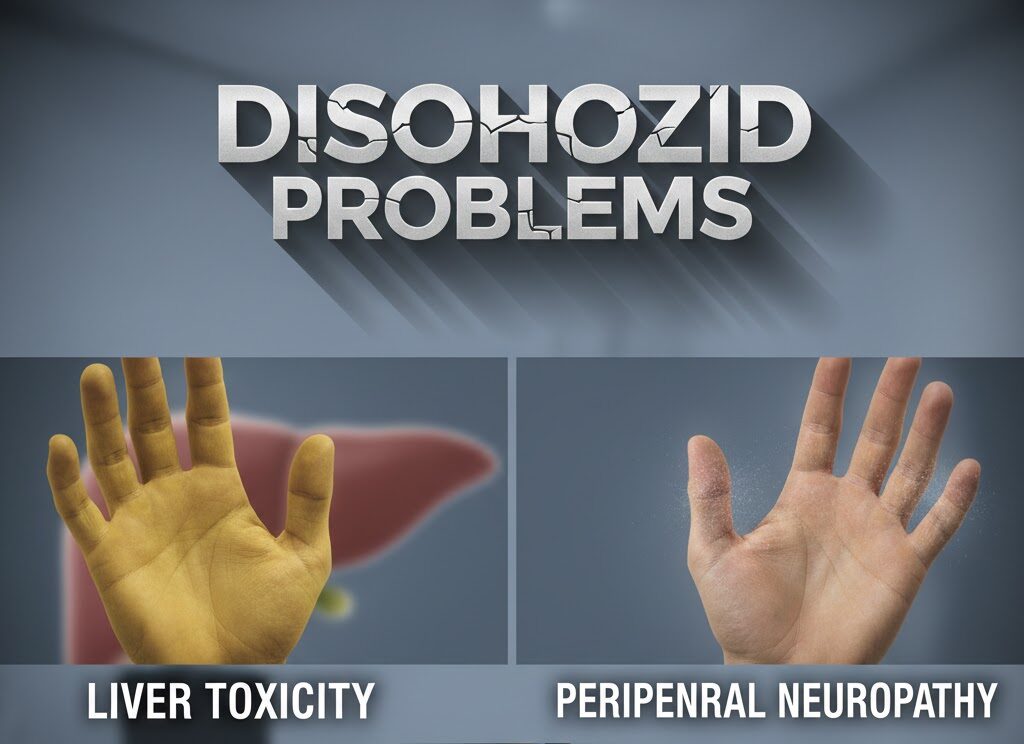
The introduction of high-potency synthetic compounds often creates a ripple effect throughout the body’s internal chemistry. One of the primary concerns involves how the substance interacts with the liver’s enzymatic systems. The liver is responsible for breaking down most pharmaceutical agents, and when a drug places excessive strain on these pathways, it can lead to a backlog of metabolites. This accumulation can interfere with the processing of other nutrients and medications, potentially leading to hepatotoxicity. Patients must undergo regular blood panels to ensure that their hepatic function remains within a healthy range during the course of their treatment.
Beyond the liver, the renal system also plays a crucial role in maintaining balance. If the kidneys cannot efficiently filter the compound from the bloodstream, systemic toxicity can occur. This manifests as changes in electrolyte balance, which can affect heart rhythm and muscle function. Monitoring creatinine levels and glomerular filtration rates becomes a standard part of the protocol. By understanding these physiological impacts, medical teams can predict potential hurdles before they become acute crises, allowing for preemptive adjustments to the patient’s regimen that protect long-term organ health.
Neurological Sensitivities and Cognitive Shifts
The blood-brain barrier is a highly selective filter, but some specialized medications are designed to bypass or interact with it to achieve their therapeutic goals. In doing so, they may occasionally cause unintended neurological effects. Some individuals report a sense of “brain fog,” characterized by decreased mental clarity and slower cognitive processing speeds. Others may experience heightened levels of anxiety or disturbances in their sleep patterns. These neurological shifts are often dose-dependent, meaning they may subside if the concentration of the agent in the bloodstream is carefully modulated.
In more sensitive populations, these effects can extend to peripheral neuropathy, where patients feel tingling or numbness in their extremities. This occurs when the medication affects the protective myelin sheath of the nerves. While often reversible upon cessation or adjustment of the therapy, it remains a significant concern for those requiring long-term intervention. Documenting these sensory changes is crucial for the attending physician, as it provides the necessary data to weigh the benefits of the treatment against the impact on the patient’s quality of life and daily functional capacity.
Gastrointestinal Disturbance and Nutrient Absorption
The gastrointestinal tract is often the first point of contact for oral medications, making it a common site for adverse reactions. Many patients experience a disruption in their digestive harmony, ranging from nausea and indigestion to more significant changes in bowel habits. These issues arise because the compound can alter the delicate microbiome of the gut or irritate the mucosal lining of the stomach. When the digestive system is in a state of constant irritation, it becomes less efficient at absorbing essential vitamins and minerals, which can lead to secondary issues like fatigue or weakened immunity.
To mitigate these challenges, healthcare providers often suggest dietary modifications or the use of probiotics to support the gut flora. It is also common to adjust the timing of the dose, such as taking the medication with a substantial meal to buffer its impact on the stomach lining. Persistent gastrointestinal issues are not merely a nuisance; they can lead to dehydration and unintentional weight loss if left unmanaged. Therefore, a proactive approach to digestive health is a cornerstone of any successful long-term therapeutic strategy involving complex pharmaceutical agents.
Dermatological Reactions and Skin Sensitivity
The skin often serves as a mirror for internal systemic stress, and dermatological symptoms are a frequent indicator of medication intolerance. Some individuals may develop localized rashes, hives, or generalized itching shortly after beginning a new regimen. These reactions are often the result of the immune system identifying a component of the medication as a foreign threat, triggering an inflammatory response. While most skin reactions are mild and can be managed with topical treatments, they require careful observation to ensure they do not escalate into more severe conditions like Stevens-Johnson syndrome.
Furthermore, certain compounds can increase photosensitivity, making the skin more susceptible to damage from ultraviolet radiation. Patients are typically advised to use high-SPF sunscreen and wear protective clothing when spending time outdoors. This increased sensitivity can also lead to hyperpigmentation or changes in skin texture over time. By maintaining a rigorous skincare routine and reporting any new blemishes or irritations to a dermatologist, patients can continue their treatment while protecting the integrity and health of their body’s largest organ.
Hormonal Imbalance and Endocrine Function
The endocrine system is a finely tuned network of glands that produce hormones to regulate everything from metabolism to mood. Some advanced therapies can inadvertently mimic or inhibit the action of these hormones, leading to a cascade of endocrine-related issues. For instance, changes in thyroid function may occur, resulting in unexplained weight gain, sensitivity to cold, or persistent lethargy. In other cases, the medication might interfere with the regulation of blood glucose, necessitating closer monitoring for individuals who are already at risk for metabolic disorders like diabetes.
These hormonal shifts can also affect reproductive health and bone density. Long-term use of certain agents has been linked to a gradual thinning of the bone matrix, increasing the risk of fractures. To counteract this, doctors may recommend supplemental calcium and vitamin D, along with regular bone density scans. Because the endocrine system affects nearly every other system in the body, maintaining its balance is essential for the patient’s overall vitality. Regular hormonal screening allows for the early detection of these imbalances, ensuring that corrective measures can be taken before the symptoms become debilitating.
Psychological Wellness and Emotional Stability
The link between physical health and mental well-being is undeniable, particularly when dealing with chronic conditions and their treatments. The psychological burden of managing potential side effects can lead to increased stress and emotional exhaustion. Furthermore, the chemical composition of certain drugs can directly influence neurotransmitter levels, such as serotonin and dopamine, which are responsible for mood regulation. This can lead to periods of low mood, irritability, or emotional lability that the patient may not have experienced prior to starting the medication.
Addressing these emotional shifts requires a holistic approach that includes psychological support and open communication. Patients are encouraged to keep a mood journal to track their emotional state in relation to their dosage schedule. Support groups and counseling can provide a valuable outlet for individuals to share their experiences and learn coping strategies from others in similar situations. Recognizing that mental health is a legitimate component of the overall treatment plan helps reduce the stigma associated with these side effects and empowers patients to seek the help they need to maintain their emotional resilience.
Long-term Management and Follow-up Protocols
Consistency in follow-up care is the most effective tool in managing the risks associated with modern medicine. A robust management plan includes scheduled diagnostic tests, such as blood work, imaging, and physical exams, to monitor the body’s response to the therapy. These appointments are not just for the physician to check data; they are an opportunity for the patient to discuss any subtle changes in their health. Effective communication between the patient and the medical team ensures that the treatment remains dynamic and responsive to the individual’s evolving needs.
In addition to medical follow-ups, lifestyle management plays a significant role in long-term success. Maintaining a balanced diet, staying hydrated, and engaging in moderate physical activity can help the body process medications more efficiently and reduce the severity of side effects. Patients should also be educated on the importance of adherence—taking the medication exactly as prescribed to avoid the “rebound” effects or decreased efficacy that can occur with missed doses. By combining professional medical oversight with proactive self-care, individuals can navigate their treatment journey with greater confidence and better health outcomes.
Comparison of Common Complications
FAQs
What are the most common disohozid problems reported by patients?
Most individuals report mild gastrointestinal issues, such as nausea, or neurological shifts like headaches and fatigue. These are typically most pronounced during the first few weeks of treatment as the body adjusts to the new chemistry.
Can these issues be prevented before they start?
While not all side effects can be prevented, staying hydrated, eating a balanced diet, and following the exact dosing instructions provided by your doctor can significantly reduce the risk of acute complications.
Is it dangerous to stop the treatment suddenly if I encounter issues?
Yes, stopping a potent medication abruptly can cause withdrawal symptoms or a flare-up of the condition being treated. You should always consult with your healthcare provider before making any changes to your medication schedule.
How often should I see my doctor for monitoring?
Typically, monitoring occurs once every three to six months, depending on the severity of your condition and how long you have been on the medication. Your doctor will determine a schedule that is right for your specific health profile.
Conclusion
Navigating the landscape of modern medicine requires a deep understanding of both the healing potential and the inherent risks associated with advanced pharmacology. While disohozid problems are a reality for some, they do not have to define the patient’s experience. Through diligent monitoring, proactive communication, and a holistic approach to wellness, the majority of these challenges can be managed or even avoided. The key lies in the partnership between the patient and the medical provider, where data-driven decisions meet empathetic care.
As we look toward the future of healthcare in 2026, the emphasis remains on the safe and effective use of specialized agents. By remaining vigilant for signs of metabolic, neurological, or gastrointestinal stress, we can ensure that therapies remain a benefit rather than a burden. Education is the first line of defense; when patients understand the “why” behind their monitoring protocols, they are more likely to stay compliant and report issues early. Ultimately, the goal of managing disohozid problems is to preserve the patient’s quality of life while achieving the best possible clinical outcome, proving that with the right knowledge, even the most complex treatments can be mastered.

Introduction
The intersection of biotechnology and dermatological science has paved the way for a new generation of high-performance skincare products. Among these innovations, the emergence of cilxarhu677 moisturizer mydecine represents a significant leap forward in topical delivery systems. Developed within the research-driven framework of Mydecine Innovations Group, this product is designed to do more than just hydrate the surface of the skin. It leverages advanced nanoemulsion technology to ensure that active ingredients penetrate deeper into the dermal layers, addressing concerns ranging from cellular aging to chronic dehydration.
As consumers become increasingly sophisticated, the demand for “science-backed” beauty has shifted from a marketing buzzword to a fundamental requirement. The development of cilxarhu677 moisturizer mydecine aligns with this trend, utilizing ingredients that are generally recognized as safe (GRAS) while enhancing their bioavailability through proprietary formulation methods. This article explores the technical foundations of this moisturizer, the role of Mydecine in the evolving biotech-beauty landscape, and how such innovations are redefining the standards for skin barrier protection and systemic skin health in 2026.
The Science of Nanoemulsion in Topical Delivery
At the heart of modern high-performance skincare is the challenge of the skin barrier itself. The human epidermis is an incredibly effective shield, designed specifically to keep foreign substances out. Traditional lotions often sit on the surface, providing temporary relief but failing to deliver nutrients where they are needed most. By utilizing nanoemulsion technology, the formulation achieves a droplet size significantly smaller than standard emulsions. This microscopic scale allows the active compounds to bypass the outermost layer of the skin more efficiently, ensuring a higher concentration of the formula reaches the target cells.
Nanoemulsions also offer superior stability for delicate bio-active ingredients. Many potent antioxidants and vitamins degrade quickly when exposed to air or light. The specialized delivery system wraps these sensitive molecules in a protective lipid layer, maintaining their integrity until they are absorbed. This results in a product that remains effective from the first pump to the last. Furthermore, the increased surface area of the nano-droplets provides a smoother application experience, leaving a weightless finish that is ideal for all skin types, including oily and combination skin that typically struggles with heavy creams.
Bio-Active Compounds and Cellular Regeneration
The selection of ingredients in advanced biotech moisturizers often draws inspiration from traditional medicine, refined by modern extraction techniques. Compounds such as reishi, cordyceps, and other adaptogenic fungi are increasingly utilized for their ability to combat oxidative stress and promote cellular turnover. These natural extracts are rich in polysaccharides and beta-glucans, which are known to soothe inflammation and support the skin’s natural healing processes. When integrated into a sophisticated carrier system, these ingredients can significantly improve the appearance of fine lines and uneven skin tone.
Beyond botanical extracts, the inclusion of peptides and bio-mimetic ceramides is crucial for maintaining the structural integrity of the skin. Ceramides act as the “mortar” between skin cells, preventing trans-epidermal water loss (TEWL). As we age, our natural ceramide production decreases, leading to dryness and sensitivity. By providing a topical source of these lipids in a highly bioavailable format, the moisturizer helps to “refill” the skin’s reservoir. This dual approach of providing external protection while stimulating internal regeneration is what differentiates pharmaceutical-grade skincare from standard cosmetic products.
Protecting the Skin Barrier Against Environmental Stress
Modern life exposes the skin to a constant barrage of environmental aggressors, including ultraviolet (UV) radiation, blue light from digital devices, and urban pollution. These factors contribute to the formation of free radicals, which damage DNA and accelerate the visible signs of aging. A robust moisturizing protocol must, therefore, include more than just water-binding agents; it requires a comprehensive defense strategy. The latest formulations incorporate “anti-pollution” shields—breathable, non-comedogenic films that prevent heavy metal particles and smoke from adhering to the skin.
Furthermore, the role of the microbiome in skin health cannot be overlooked. The skin is home to a complex ecosystem of beneficial bacteria that help defend against pathogens. Harsh cleansers and environmental toxins can disrupt this balance, leading to issues like acne, rosacea, and eczema. Advanced moisturizers now frequently include prebiotics and postbiotics to nourish this delicate flora. By fostering a healthy microbiome, the skin becomes more resilient and better equipped to manage inflammatory responses, resulting in a clearer, more radiant complexion over time.
Clinical Testing and Bio-Compatibility Standards
For a product to be considered a leader in the biotech space, rigorous clinical testing is non-negotiable. This involves independent laboratory studies to verify that the claims—such as increased hydration levels or reduced wrinkle depth—are biologically proven. Bio-compatibility is another key focus, ensuring that the formula works in harmony with the skin’s natural pH and biology. This reduces the risk of irritation, making the product suitable for those with sensitive skin or those recovering from dermatological procedures like chemical peels or laser treatments.
The transition from “clean beauty” to “clinical beauty” reflects a desire for transparency. Consumers want to see data on how a product performs under controlled conditions. This includes patch testing on diverse skin types and ethnicities to ensure universal efficacy. When a formulation is grounded in pharmaceutical standards, every ingredient serves a specific purpose, with no room for “filler” components that offer no benefit. This efficiency is a hallmark of the Mydecine approach to product development, where the goal is to maximize the therapeutic potential of every drop.
Integrating Skincare into Holistic Wellness Routines
Skincare is increasingly viewed as an extension of overall mental and physical wellness. The “inside-out” beauty philosophy suggests that topical treatments are most effective when supported by a healthy lifestyle. This includes proper nutrition, adequate sleep, and stress management. Interestingly, some biotech companies are exploring the link between the nervous system and skin health—often referred to as psychodermatology. Stress hormones like cortisol can trigger breakouts and dullness, making the sensory experience of applying a moisturizer a vital part of a daily self-care ritual.
The texture and scent of a high-end moisturizer are carefully engineered to provide a calming effect. Using essential oils or natural aromatics that promote relaxation can turn a standard hygiene task into a mindfulness practice. This holistic view encourages users to be consistent with their routines, which is the most important factor in seeing long-term results. When a product feels good to use, it reinforces the habit of protection and nourishment, leading to a virtuous cycle of health that manifests in the skin’s appearance and the user’s overall sense of well-being.
Sustainable Sourcing and Ethical Manufacturing
As the biotech industry grows, so does the responsibility to operate sustainably. The sourcing of raw materials, especially rare botanical or fungal extracts, must be managed carefully to avoid depleting natural resources. Many companies now opt for lab-grown alternatives or “biocultures,” which allow for the production of high-purity active ingredients without the environmental footprint of traditional farming. This method also ensures a consistent supply of ingredients that are free from pesticides and heavy metals, further enhancing the safety profile of the final product.
Ethical manufacturing also encompasses the packaging and distribution of the product. The use of recyclable glass, biodegradable plastics, and carbon-neutral shipping methods are becoming industry standards. Furthermore, the commitment to “cruelty-free” testing ensures that no animals are harmed in the pursuit of beauty. By prioritizing these values, brands can build a deeper level of trust with their audience. Consumers are no longer just buying a moisturizer; they are investing in a company’s vision for a more sustainable and ethical future.
Future Innovations in Personalized Dermatological Care
The next frontier for the skincare industry is personalization. We are moving toward a world where a moisturizer could be custom-compounded based on an individual’s DNA or a real-time analysis of their skin’s needs. Imagine a system where a smartphone app scans your face, detects areas of high inflammation or dehydration, and signals a device to adjust the ratio of active ingredients in your daily application. This level of precision would eliminate the guesswork often associated with finding the “perfect” product.
Research into longevity and cellular senescence (the “zombie cells” that stop dividing but don’t die) is also influencing skincare. Future formulations may include senolytic agents that help the skin clear out these aged cells, making room for healthy, new ones. As we continue to unlock the secrets of human biology, the boundary between medicine and cosmetics will continue to blur. The innovations seen today in products like cilxarhu677 moisturizer mydecine are just the beginning of a journey toward true age-reversal and lifelong skin vitality.
Comparison of Skincare Technology Tiers
| Feature | Standard Cosmetic | High-End Clinical | Biotech (e.g., Mydecine) |
| Delivery System | Simple Emulsion | Encapsulation | Nanoemulsion / GRAS-Nano |
| Active Ingredients | Low Concentration | Stabilized Vitamins | Bio-mimetic / Adaptogenic |
| Absorption Rate | Surface Level | Epidermal | Deep Dermal Penetration |
| Testing | Safety Only | Clinical Efficacy | Biocompatibility / IP Protected |
| Focus | Fragrance/Texture | Specific Concerns | Systemic Barrier Repair |
FAQs
What makes the “cilxarhu677 moisturizer mydecine” different from regular creams?
The primary difference lies in its nanoemulsion delivery system, which allows for deeper penetration of active ingredients compared to traditional formulas. It also focuses on bio-active adaptogens that support cellular regeneration rather than just providing surface-level moisture.
Can I use this product on sensitive or acne-prone skin?
Yes, the formulation is designed to be bio-compatible and non-comedogenic. It includes soothing agents and prebiotics that help balance the skin’s microbiome, making it an excellent choice for those with reactive or oily skin types.
How soon will I see results after starting this moisturizer?
While immediate hydration is noticeable after the first use, significant improvements in skin texture, tone, and barrier strength typically become visible after 28 days—the length of a natural skin cell turnover cycle.
Is the technology behind this moisturizer patented?
Yes, many biotech skincare products utilize proprietary delivery systems and unique ingredient combinations that are protected by international patents to ensure the exclusivity and quality of the formulation.
Conclusion
The evolution of skincare from simple hydration to advanced bio-intervention marks a turning point in the beauty industry. The cilxarhu677 moisturizer mydecine serves as a prime example of how scientific rigor and technological innovation can transform a daily essential into a powerful tool for health. By addressing the skin’s needs at a cellular level through nanoemulsion and bio-active sourcing, this product offers a solution for the modern consumer who refuses to compromise on efficacy or safety. The skin is our largest organ and our primary interface with the world; giving it the highest level of care is a fundamental act of self-preservation.
As we look to the future, the integration of biotechnology into our daily routines will only deepen. The lessons learned from pharmaceutical research are now being applied to help us age more gracefully and protect ourselves from an increasingly harsh environment. Whether you are looking to repair a damaged skin barrier, combat the effects of pollution, or simply maintain a youthful glow, the shift toward biotech-driven products offers a promising path forward. Investing in quality, science-backed skincare today is an investment in the long-term health and resilience of your skin for years to come.

In the modern era, the intersection of technology and personal well-being has become a focal point for millions seeking a balanced lifestyle. As we navigate the complexities of the digital age, undergrowthgames health emerges as a concept rooted in the synergy between interactive engagement and physical vitality. This approach prioritizes the idea that wellness should not be a chore, but rather an immersive experience that motivates individuals to push their boundaries. By weaving together the elements of play, data-driven insights, and consistent habits, people can find new ways to stay active without the monotony of traditional routines.
The evolution of this field suggests that the most effective way to maintain a long-term commitment to one’s body is through psychological fulfillment. When the mind is engaged in a rewarding process, the physical exertion follows more naturally. Undergrowthgames health represents this transition from passive consumption to active participation in one’s own longevity. As we look deeper into the mechanics of modern vitality, it becomes clear that the tools we use to track and enhance our daily movements are becoming more sophisticated, allowing for a personalized journey that respects individual limitations while encouraging steady growth.
The Evolution of Digital Fitness
The landscape of physical activity has undergone a massive transformation over the last decade. Gone are the days when a simple stopwatch and a paper log were the only tools available for tracking progress. Today, the focus has shifted toward interactive environments that simulate real-world challenges while keeping the user comfortably within their chosen space. This shift has allowed for a more inclusive atmosphere where individuals of all skill levels can find a starting point. By gamifying the experience, the psychological barriers to entry—such as boredom or lack of immediate reward—are significantly lowered.
Furthermore, the integration of social components has turned solitary exercise into a communal event. Even when working out alone, the ability to compete against global leaderboards or share milestones with a digital community provides a sense of accountability. This interconnectedness ensures that the motivation to continue remains high, even on days when the initial spark of enthusiasm might be lacking. The focus is no longer just on the destination, but on the richness of the journey itself.
Nutritional Foundations for Peak Performance
Fueling the body correctly is the cornerstone of any sustainable lifestyle. While movement is essential, the biological engine requires high-quality inputs to function at its best. A balanced diet rich in micronutrients, lean proteins, and complex carbohydrates provides the necessary energy to engage with demanding physical tasks. Modern science emphasizes that nutrition is not a one-size-fits-all solution; rather, it is a highly individualized aspect of wellness that must be tuned to one’s metabolic rate and daily output.
Hydration also plays a critical role in maintaining cognitive clarity and muscle efficiency. Often overlooked, the simple act of consuming enough water can drastically improve recovery times and prevent the onset of fatigue. By viewing food as more than just calories, but as information for the cells, individuals can make more informed choices that support their long-term goals. This holistic view ensures that the body remains resilient against the stressors of daily life and the demands of intense activity.
Mental Resilience and Cognitive Clarity
A healthy body is often the reflection of a focused mind. The psychological aspect of well-being involves managing stress, practicing mindfulness, and ensuring that the brain receives adequate rest. In a fast-paced world, the ability to disconnect and find a state of “flow” is invaluable. This mental state, where one is fully immersed in an activity, has been shown to reduce cortisol levels and improve overall happiness. Engaging in challenging tasks that require both focus and coordination helps to sharpen the intellect while providing a much-needed break from the digital noise.
Equally important is the practice of intentional rest. Meditation and breathing exercises can help regulate the nervous system, allowing the body to transition from a state of high alert to one of recovery. When the mind is at peace, the physical benefits of exercise are amplified, as the body can focus its resources on repair and growth. Cultivating this internal balance is what allows individuals to maintain a high level of performance over years rather than just weeks.
The Importance of Restorative Sleep
Sleep is perhaps the most underrated component of a vibrant life. It is during these hours of darkness that the body performs its most critical maintenance tasks, from muscle repair to memory consolidation. Without adequate rest, the benefits of even the most rigorous training programs are diminished. Quality sleep involves more than just the number of hours spent in bed; it is about the depth of the cycles and the consistency of the schedule. Establishing a nightly routine that minimizes blue light exposure and promotes relaxation is essential for hitting those deep, restorative stages.
For those who are highly active, sleep acts as the ultimate recovery tool. It regulates the hormones responsible for hunger and satiety, ensures the immune system is functioning optimally, and provides the mental energy needed for the following day. By prioritizing rest, individuals can ensure they are always operating at their highest potential, avoiding the pitfalls of burnout and overtraining that often derail long-term success.
Building Functional Strength and Flexibility
True vitality is measured not just by the size of one’s muscles, but by how well the body moves through space. Functional strength focuses on movements that translate to everyday life—lifting, pulling, pushing, and squatting with ease. This type of training emphasizes the core and the stabilizing muscles, which are vital for preventing injury as we age. When the body is strong in a functional sense, daily tasks become effortless, and the risk of chronic pain is significantly reduced.
Flexibility and mobility are the necessary counterparts to strength. A body that is strong but stiff is prone to imbalances and strains. Incorporating stretching, yoga, or mobility drills ensures that the joints maintain their full range of motion. This balance between power and elasticity allows for a grace of movement that is the hallmark of true physical health. By dedicating time to both aspects, individuals create a durable foundation that can withstand the test of time.
Community Support and Shared Goals
Human beings are inherently social creatures, and our wellness journeys are often more successful when shared with others. Being part of a group that shares similar values provides a layer of emotional support that is hard to replicate alone. Whether it is a local hiking club, an online forum, or a competitive league, the feeling of belonging can be a powerful motivator. It creates a space where successes are celebrated and setbacks are met with encouragement rather than judgment.
Shared goals also foster a sense of healthy competition. Watching a peer reach a milestone can inspire others to push a little harder, creating a rising tide that lifts all boats. This collective energy transforms the pursuit of health from a private struggle into a public triumph. In the digital age, these communities are more accessible than ever, allowing people from different walks of life to connect over a shared passion for self-improvement and physical excellence.
Sustainable Habits for Long Term Success
The key to any lasting change is consistency over intensity. While it is tempting to dive into a radical transformation, the most successful individuals are those who make small, manageable changes that stick. Building a sustainable lifestyle means finding activities that you genuinely enjoy and can see yourself doing for years to come. It involves setting realistic expectations and being patient with the process. Real progress is often slow and incremental, but the cumulative effect of these small wins is profound.
Sustainability also means listening to the body and knowing when to pull back. A well-rounded approach allows for flexibility, acknowledging that life will sometimes get in the way of the best-laid plans. Instead of viewing a missed day as a failure, it should be seen as a minor detour in a lifelong journey. By maintaining a positive outlook and focusing on the “big picture,” anyone can achieve a state of lasting vitality that enhances every other area of their life.
Comparative Wellness Metrics
| Category | Focus Area | Primary Benefit |
| Physical | Strength & Cardio | Longevity & Energy |
| Mental | Mindfulness | Stress Reduction |
| Recovery | Sleep & Stretching | Injury Prevention |
| Social | Community Interaction | Accountability |
Frequently Asked Questions
How does interactive technology improve physical results?
Interactive technology increases engagement by providing immediate feedback and rewards. When users see their progress in real-time, they are more likely to stick with the program and push themselves further than they would in a traditional setting.
What is the best way to start a new wellness routine?
The best way is to start small. Choose one or two habits, such as walking for twenty minutes or drinking more water, and master them before adding more complexity. Consistency is more important than the scale of the initial effort.
Can digital communities replace in-person support?
While in-person support is valuable, digital communities offer unparalleled accessibility and a wider range of perspectives. They can provide constant motivation and a sense of belonging regardless of geographical location.
Conclusion
Achieving a state of total well-being in the modern world requires a multifaceted approach that embraces both the physical and the digital. The concept of undergrowthgames health serves as a reminder that our environment, our tools, and our mindset are all deeply interconnected. By focusing on functional movement, proper nutrition, and mental resilience, we can build a life that is not only long but also full of energy and purpose. The integration of community and technology has made it easier than ever to track our progress and stay motivated, turning the pursuit of wellness into an engaging and rewarding adventure.
As we move forward, the most important thing to remember is that health is a continuous process, not a final destination. It is shaped by the choices we make every single day, from the food we eat to the way we rest. By adopting sustainable habits and staying connected with like-minded individuals, we can navigate the challenges of the modern era with confidence. The future of our well-being is in our hands, and with the right tools and perspective, the possibilities for growth and vitality are virtually limitless.

Disohozid Problems: Managing Risks and Side Effects

Cilxarhu677 Moisturizer Mydecine: Future of Biotech Skin Care

Charutbaye: Exploring Cultural Significance and Heritage

Keine Karriere-Subdomain Gefunden: Solutions and Fixes

BetterThisWorld Stocks | Sustainable Market Growth 2026

BetterthisCosmos Post Betterthisworld | Strategic Overview

BetterThisWorlding.com: Innovative Strategies for Growth

The Rise of Tommy Jacobs Gaming Eyexcon in Digital Media

Players Infoguide dmgconselistas: Strategic Gaming Mastery

Information Regarding isaiah david haeflinger oklahoma

KiloLimits: Comprehensive Guide to Data Caps

ABCBetting AG New Site: Official Access and Platform Guide

Guide to the Ingredients in xizdouyriz0: Detailed Analysis

Exploring iasweshoz1: Comprehensive Technical Guide

Decoding the Role of 6v5m4xw in Digital Architecture

Discover the growing influence of MarcelAsatnam

Understanding the Digital Signature of 6162263568

Understanding the Impact of donvirtex99 in Digital Spaces

Future of Wellness with Undergrowthgames Health

MagFuseHub com: Exploring Innovation and Digital Content

Achieving Long-Term BetterThisworld.com Success in 2026

Maximizing Efficiency with the g15tools com gadget

Understanding the Impact of bigcokc69420 in Digital Culture

Digital Evolution of Donvirtex99 and Modern Trends

Phone Number FamousParenting: Modern Parental Support

Incestfl8x: System Update and Performance Framework

BetterThisWorld.com Your Source for Motivation Money Guidance Tech Insights and Modern Living

BTWradiovent event by BetterThisWorld

Money BetterThisWorld: Financial Growth Mindful Living and Personal Empowerment

Stocks BetterThisWorld: Learn Investing With Calm Focus And Purpose

Gaming Vivid2201 Patches: Updates Improvements and Player Experience

BetterThisWorld BetterThisTechs News: Tech Trends and Digital Innovation

Betterthisworld Business: Guide to Smart Growth and Modern Success

Slothokiturbo.net 683786714: Exploring the Platform and Its Features

белочкш: Meaning, Context, and Its Role in Digital Expression

The Endless Barrel Roll Challenge: Exploring the Internet’s Wildest Gaming Stunt

DrivingMadio Do A Barrel Roll 2 Times: Guide to the Viral Gaming Trick

The Transformative Potential of Gaming: An Overview from BetterThisWorld

Helpful Guide Convwbfamily: Care Understanding and Practical Wisdom

BetterThisWorldcom: A Comprehensive Guide to Personal Growth

The Online Gaming Event PBLGamevent

BTWLetterNews By BetterThisWorld Website

Geekzilla Tio Geek: The Ultimate Tech and Culture Platform

Betterthiscosmos Posts Betterthisworld: Ideas Growth and Universal Inspiration

Python 54axhg5: Programming Guide for Modern Development

TGArchiveConsole Set Up: Guide for Easy Installation and Smooth Use

Is Fojatosgarto Hard to Cook: Understanding the Dish and Its Complexity

www BetterThisWorld com: Guide to the Platform of Growth and Self-Improvement

Understanding 6094104598: A General Guide to Identifying