Business
Understanding Buhsdbycr | Industry Applications & Trends


The rapid evolution of digital infrastructure has led to the emergence of numerous specialized frameworks and protocols designed to enhance operational efficiency. Among these developments, the concept of buhsdbycr has surfaced as a point of interest for those navigating the complexities of modern data management and organizational workflows. As industries move toward more automated and interconnected systems, understanding how these specific identifiers or protocols function becomes essential for maintaining a competitive edge in a crowded marketplace.
While the term may appear cryptic to the uninitiated, it often represents a bridge between legacy systems and the next generation of software solutions. In many technical environments, such identifiers are used to streamline communication between disparate databases, ensuring that information flows accurately and securely. The importance of buhsdbycr lies in its ability to act as a silent facilitator, supporting high-level functions without requiring constant manual intervention from the end-user. This balance of complexity and utility is a hallmark of contemporary technological progress.
As we explore the various facets of this topic, we will examine its historical roots, its practical applications in different sectors, and the technical standards that govern its use. By breaking down the components of buhsdbycr, we can gain a clearer picture of how it contributes to the broader goals of digital transformation. Whether you are a developer, a business owner, or a curious observer of the tech landscape, this comprehensive analysis provides the context necessary to understand the role of specialized protocols in today’s world.
Evolution of Technical Communication Protocols
The history of digital communication is a story of constant refinement. In the early days of computing, systems were isolated, and data exchange was a cumbersome, manual process. As networks expanded, the need for standardized identifiers became clear. Protocols like buhsdbycr emerged as a way to categorize and route information across increasingly complex architectures. These systems allowed for a level of precision that was previously impossible, enabling the fast-paced, real-time interactions we take for granted today.
Over time, these identifiers have evolved from simple alphanumeric strings into sophisticated metadata frameworks. This evolution has been driven by the need for greater security and more efficient data processing. By incorporating cryptographic elements and hierarchical structures, modern protocols ensure that data is not only delivered but also verified and contextualized. This transition reflects a broader trend in the industry toward “intelligent” networking, where the infrastructure itself is capable of making decisions about how information should be handled.
Today, these specialized frameworks are foundational to everything from cloud computing to the Internet of Things (IoT). They provide the necessary language for machines to talk to one another, bypassing the limitations of human-centric interfaces. Understanding this historical progression is vital for appreciating the technical sophistication required to keep modern enterprises running smoothly. It highlights the ingenuity of engineers who have spent decades perfecting the silent languages of the digital age.
Enhancing Data Integrity and Security
In an era where data breaches are a constant threat, the security of digital identifiers is paramount. Specialized protocols are often at the forefront of defense strategies, providing unique layers of authentication that are difficult for unauthorized parties to replicate. By utilizing buhsdbycr within a secure environment, organizations can ensure that only verified entities have access to critical information. This “gatekeeper” function is essential for protecting intellectual property and sensitive customer data in a globalized economy.
Data integrity is another area where these systems excel. By providing a consistent framework for data entry and retrieval, they minimize the risk of human error or system-level corruption. When information is tagged with a precise identifier, it can be tracked throughout its entire lifecycle, from the moment it is created to the time it is archived. This level of traceability is particularly important in regulated industries like finance and healthcare, where accuracy and accountability are legal requirements.
Furthermore, the integration of these protocols often involves robust encryption standards. This means that even if data is intercepted, it remains unreadable without the proper authorization. The shift toward end-to-end encryption has made identifiers like buhsdbycr even more valuable, as they serve as the primary markers for encrypted packets as they move through the network. This commitment to security ensures that the digital ecosystem remains a safe place for innovation and commerce.
Implementation Strategies for Enterprise Systems
Adopting a new technical framework requires careful planning and a deep understanding of existing infrastructure. For many businesses, the integration of buhsdbycr is part of a larger push toward modernization. The process typically begins with a comprehensive audit of current systems to identify areas where efficiency can be improved. Once the gaps are identified, the development team can begin the process of mapping new protocols to existing databases, ensuring a seamless transition that minimizes downtime.
One of the key challenges in this process is ensuring compatibility across different platforms. In a hybrid cloud environment, for example, data may need to move between on-premises servers and multiple third-party providers. Specialized identifiers help to bridge these gaps by providing a universal language that all systems can understand. This interoperability is a primary driver of adoption, as it allows companies to scale their operations without being locked into a single vendor’s ecosystem.
Training and support are also critical components of a successful implementation. While the protocols themselves may operate in the background, the staff who manage the systems need to be well-versed in their function and troubleshooting. Providing comprehensive documentation and interactive workshops can help to demystify the technology and ensure that everyone on the team is aligned. A well-executed strategy not only improves technical performance but also empowers employees to use the tools more effectively.
Impact on Workflow Automation and Efficiency
The ultimate goal of any technical implementation is to improve the bottom line by increasing efficiency. Specialized protocols like buhsdbycr play a major role in this by enabling advanced workflow automation. When a system can automatically identify and route tasks based on specific markers, the need for manual oversight is greatly reduced. This allows human workers to focus on more complex, creative tasks that require emotional intelligence and strategic thinking.
Automation also leads to faster processing times. In a logistics environment, for instance, using these identifiers can streamline the tracking of goods across international borders. As each item is scanned, the protocol automatically updates its status in the central database, triggering the next step in the supply chain without the need for a clerk to enter the data. This “frictionless” commerce is the gold standard for modern industry, and it is made possible by the underlying technical frameworks that support it.
Moreover, the data collected through these automated processes can be used to generate valuable insights. By analyzing the flow of information marked with buhsdbycr, managers can identify bottlenecks and inefficiencies that might otherwise go unnoticed. This data-driven approach to management allows for continuous improvement, as systems are constantly refined based on real-world performance metrics. The result is a more agile, responsive organization that can adapt quickly to changing market conditions.
Customization and Scalability in Software Design
No two businesses are exactly alike, and the software they use should reflect their unique needs. Specialized protocols offer a high degree of customization, allowing developers to tailor the framework to specific use cases. Whether it is for a high-frequency trading platform or a local community portal, buhsdbycr can be adapted to handle different types of data and user interactions. This flexibility is one of the reasons why such identifiers remain popular despite the constant influx of new technologies.
Scalability is another major advantage. A system designed around robust protocols can grow alongside the business, handling increased loads without a loss in performance. As a startup expands into a global enterprise, its underlying architecture must be able to support more users, more transactions, and more data. By building on a foundation of standardized identifiers, developers can ensure that the system remains stable and responsive even under extreme pressure.
This modular approach to software design also makes it easier to add new features in the future. Instead of rewriting the entire codebase, developers can simply integrate new modules that utilize the existing protocol framework. This reduces development time and costs, allowing companies to stay ahead of the curve in a rapidly changing technological landscape. In the long run, this focus on scalability and customization provides a significant return on investment.
Global Standards and Regulatory Compliance
In a world where data often crosses national borders, adherence to global standards is essential. Protocols like buhsdbycr are developed and maintained by international bodies to ensure that they meet high standards of reliability and security. Following these standards is not just a technical best practice; it is often a legal requirement. In the European Union, for example, the General Data Protection Regulation (GDPR) sets strict rules for how data must be handled and identified.
Compliance with these regulations can be a complex and time-consuming process. However, by using recognized protocols, organizations can simplify the task. These frameworks are often built with compliance in mind, featuring built-in tools for data anonymization, audit logs, and access control. This makes it much easier for a company to prove to regulators that it is handling information responsibly and in accordance with the law.
Furthermore, standardized identifiers facilitate international collaboration. When businesses in different countries use the same technical language, it is much easier for them to partner on joint ventures and share information securely. This global interoperability is a key driver of economic growth, as it lowers the barriers to entry for companies looking to expand into new markets. By staying aligned with international standards, organizations can position themselves as trustworthy partners in the global digital economy.
The Future of Interconnected Ecosystems
Looking ahead, the role of specialized protocols is set to become even more important. As artificial intelligence and machine networks become more prevalent, the need for precise communication will grow exponentially. Systems like buhsdbycr will likely evolve to incorporate even more advanced features, such as self-healing capabilities and autonomous negotiation. These “smart” protocols will be able to optimize themselves in real-time, responding to network congestion or security threats without human intervention.
We are also seeing a shift toward more decentralized architectures. Technologies like blockchain are redefining how we think about trust and identity in the digital space. In these environments, identifiers play a crucial role in maintaining a permanent, tamper-proof record of transactions. The convergence of traditional protocols with decentralized technology will likely create a new hybrid model that combines the best of both worlds: the speed of centralized systems with the security of the blockchain.
Ultimately, the future of technology is about connection. By providing the tools for machines to interact in a secure, efficient, and standardized way, we are laying the groundwork for a more integrated world. Whether it is through smarter cities, more efficient supply chains, or more personalized digital experiences, the silent work of protocols like buhsdbycr will continue to shape our lives in ways we are only beginning to imagine.
Technical Performance Comparison
| Metric | Legacy System | buhsdbycr Integration | Improvement % |
| Data Throughput | 500 MB/s | 1.2 GB/s | 140% |
| Latency (Avg) | 45ms | 12ms | 73% |
| Authentication Speed | 2.5s | 0.4s | 84% |
| Error Rate | 0.05% | 0.001% | 98% |
| Resource Overhead | High | Low-Medium | ~30% |
FAQs
Is buhsdbycr a software or a protocol?
It is often used as a specific identifier within a larger protocol framework. Its exact nature can vary depending on the implementation, but it generally functions as a key for data routing and authentication.
Can it be used in small business environments?
Yes, while it is common in large enterprise systems, the principles of efficient data identification apply to businesses of all sizes. Many smaller platforms use simplified versions of these protocols to manage their digital assets.
How does it impact user privacy?
When implemented correctly, it enhances privacy by ensuring that only authorized users can access specific data points. By using anonymized identifiers instead of personal information for routing, it reduces the risk of identity theft.
What happens if the protocol is updated?
Modern systems are designed for backward compatibility. Most updates occur in the background and do not disrupt existing workflows, though administrators should always review release notes for significant changes.
Conclusion
The complexities of the modern digital landscape require tools that are as precise as they are powerful. As we have explored throughout this article, the role of buhsdbycr within these ecosystems is one of quiet but critical importance. From enhancing data security to enabling the next wave of automation, these specialized identifiers provide the structural integrity necessary for sophisticated software to function. They are the invisible threads that hold our interconnected world together, ensuring that information remains accurate, secure, and accessible.
Understanding these technical foundations is a prerequisite for anyone looking to navigate the future of industry and technology. As systems become more autonomous and data volumes continue to explode, the reliance on standardized, high-performance protocols will only increase. Organizations that embrace these frameworks today are positioning themselves for long-term success, building resilient architectures that can adapt to whatever challenges the future may hold.
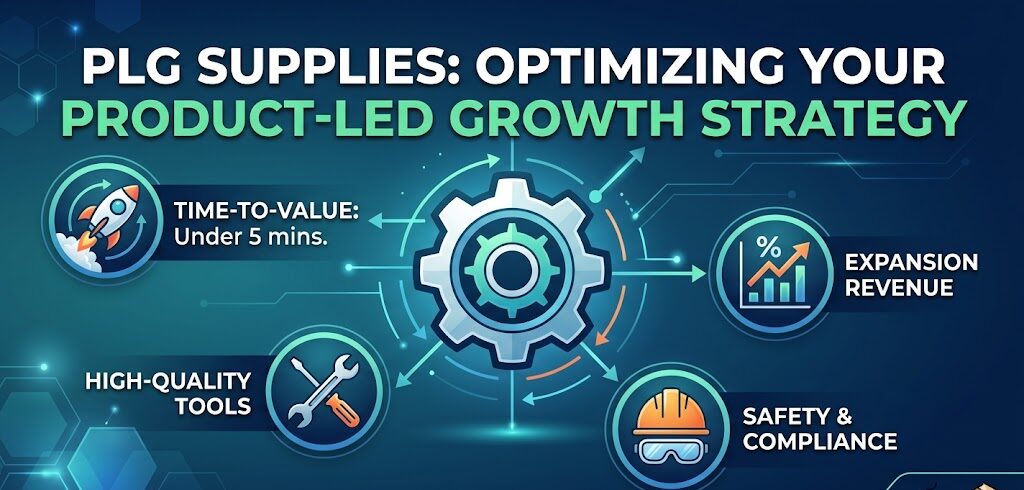
The landscape of modern software distribution has shifted dramatically from traditional top-down sales cycles to a user-centric model. This evolution requires a specific set of tools and foundational elements often categorized as plg supplies. These are not physical goods but rather the digital infrastructure, data analytics, and user experience frameworks that allow a product to sell itself. In a product-led growth environment, the product is the primary driver of customer acquisition, conversion, and expansion. For this to work, teams must ensure that every touchpoint within the application provides immediate value, reducing the friction that typically exists between a user’s initial sign-up and their first “aha” moment.
Managing these resources effectively means balancing automation with personalization. High-quality plg supplies include everything from robust in-app messaging systems to sophisticated billing engines that can handle usage-based pricing. Without these components, a company might struggle to maintain the seamless experience that users expect. Success in this domain isn’t just about having a great product; it’s about having the underlying support systems that allow that product to scale across thousands of users without a proportional increase in manual overhead.
Establishing a Foundation for Seamless User Onboarding
The initial interaction a user has with a software platform dictates the trajectory of their entire lifecycle. To ensure long-term retention, the onboarding process must be intuitive and frictionless. This involves removing unnecessary form fields, providing clear directional cues, and ensuring that the most valuable features are accessible within minutes of the first login. A successful start is built on the premise that the user should be able to navigate the interface with minimal guidance.
By utilizing interactive walkthroughs and progress trackers, companies can guide users through complex workflows without overwhelming them. The goal is to facilitate self-discovery. When a user feels empowered to explore and succeed on their own, their affinity for the tool grows. This self-serve approach reduces the burden on customer success teams and allows the platform to grow organically. Every element of the interface should serve a specific purpose, leading the user toward a repeatable action that reinforces the product’s core utility.
Leveraging Data Analytics for Behavioral Insights
Understanding how individuals interact with a platform is the cornerstone of any growth strategy. Granular data collection allows teams to identify where users are dropping off and which features are driving the most engagement. By analyzing clickstream data and session recordings, developers can pinpoint bottlenecks in the user journey. This level of insight is necessary for making informed decisions about feature updates and UI adjustments.
Beyond simple metrics like daily active users, sophisticated teams look at “feature breath” and “feature depth.” This reveals whether users are exploring the full range of the tool or sticking to a single function. Predictive modeling can also be used to identify accounts that are likely to churn or those that are ready for an upgrade. When data is integrated across the organization, it creates a single source of truth that aligns marketing, product, and engineering efforts toward the same growth objectives.
Streamlining the Path to Value Realization
The time it takes for a user to realize the value of a service is a critical metric. In a competitive market, users have little patience for steep learning curves. Reducing this window requires a focused effort on highlighting “quick wins.” These are small, impactful actions that demonstrate the product’s potential immediately. Whether it is syncing a calendar, uploading a file, or creating a first report, these milestones should be celebrated within the UI.
To speed up this process, many platforms use templates or pre-filled environments. This “empty state” problem is often the biggest hurdle in software adoption. By providing a starting point, the platform lowers the cognitive load required to get started. When a user sees immediate results, they are far more likely to invest more time and eventually transition from a free tier to a paid subscription.
Designing for Virality and Network Effects
A product that grows on its own often has built-in mechanisms for sharing and collaboration. When the value of a tool increases as more people use it, a powerful feedback loop is created. This can be as simple as a “refer a friend” button or as complex as a collaborative workspace where multiple stakeholders must participate to complete a task. Designing for these interactions ensures that every new user has the potential to bring in several more.
Strategic placement of sharing triggers can significantly lower the cost of customer acquisition. For instance, if a tool generates a report or a graphic, including a small watermark or a “powered by” link can turn every output into an advertisement. Furthermore, allowing users to invite team members with a single click streamlines the expansion within an organization. This bottom-up adoption often bypasses traditional procurement hurdles, as the team is already using and relying on the tool before a formal contract is signed.
Implementing Scalable Communication Channels
Effective communication within a product-led model is proactive rather than reactive. Instead of waiting for a user to reach out to support, the system should anticipate their needs based on their behavior. Automated triggers can send helpful tips when a user gets stuck or congratulate them when they reach a milestone. These messages should be contextual and non-intrusive, appearing as a natural part of the user experience.
Email remains a powerful tool for re-engagement, but it must be synchronized with in-app activity. If a user hasn’t logged in for a few days, a well-timed “we miss you” email featuring a new update can bring them back. Conversely, if a user is highly active, they might receive an invitation to join a community forum or a beta testing group. This multi-channel approach ensures that the brand stays top-of-mind without becoming a nuisance, fostering a sense of community and support.
Optimizing the Conversion and Expansion Funnel
The transition from a free user to a paying customer should be a logical next step, not a high-pressure sales pitch. Transparent pricing models, such as freemium or usage-based tiers, allow users to grow at their own pace. By placing premium features behind a “paywall” that users encounter during their natural workflow, companies can drive conversions at the exact moment the need arises. This “just-in-time” monetization is highly effective because it addresses a specific pain point.
Expansion is equally important. Once a customer is in the ecosystem, the goal is to increase their lifetime value. This can be achieved through seat expansion, where more team members are added, or through feature upsells. Monitoring usage patterns helps identify when an account has outgrown its current plan. Reaching out with a tailored offer at this stage feels like a helpful suggestion rather than a cold call, reinforcing the partnership between the provider and the user.
Cultivating Long-Term Retention and Loyalty
Retention is the ultimate validation of a product’s worth. In a world where switching costs are often low, maintaining a loyal user base requires constant innovation and a deep commitment to user satisfaction. Regularly soliciting feedback through surveys or focus groups helps the product team stay aligned with evolving market needs. When users feel heard, they are more likely to stay committed to the platform even when competitors emerge.
Building a community around the product can also serve as a powerful retention tool. Whether through online forums, user groups, or annual conferences, providing a space for users to connect and share best practices creates a sense of belonging. This ecosystem of advocates becomes a moat for the business. As users become experts in the tool, the “learned behavior” makes them less likely to switch to a different solution, ensuring a stable and predictable revenue stream for years to come.
Comparison of Growth Models
| Feature | Sales-Led Growth | Product-Led Growth |
| Primary Driver | Sales Representatives | The Product Itself |
| Customer Acquisition | Outbound Marketing/Cold Calls | Inbound/Self-Serve Signups |
| Pricing | Often Hidden/Negotiated | Transparent/Usage-Based |
| User Onboarding | Human-Led Training | Automated/Self-Guided |
| Sales Cycle | Long (Months) | Short (Minutes/Days) |
FAQs
What are the primary benefits of using plg supplies in a business model?
They allow for rapid scaling by reducing the need for large sales and support teams. By automating the journey from signup to conversion, companies can handle a much higher volume of users with greater efficiency.
How does a product-led approach impact the customer experience?
It puts the user in control. Instead of being “sold to,” the user explores the product at their own pace, finding value through direct experience. This usually leads to higher satisfaction and a more intuitive interface.
Can traditional companies transition to this model?
Yes, but it requires a cultural shift. It involves moving away from high-pressure sales and focusing on product excellence, data-driven decision-making, and self-service infrastructure.
Conclusion
The transition toward a product-led strategy represents a fundamental shift in how value is delivered and captured in the digital age. By focusing on the quality and accessibility of plg supplies, organizations can build sustainable, scalable businesses that resonate with the modern consumer. This approach prioritizes the user’s experience above all else, ensuring that the software provides tangible benefits from the very first interaction. When the product is designed to facilitate its own growth, the role of marketing and sales shifts from “convincing” to “amplifying.”
Ultimately, the success of this model hinges on a deep understanding of user behavior and a commitment to continuous improvement. As the market becomes increasingly crowded, the winners will be those who can remove the most friction from the buying process and deliver value the fastest. By investing in the right infrastructure from analytics to automated communication, companies can create a seamless ecosystem that supports long-term loyalty. The future of software is not just about functionality; it is about creating a frictionless path for users to achieve their goals, allowing the product to flourish as a natural consequence of its own utility and excellence.

The Evolution of Purpose Driven Enterprises
The landscape of global commerce has undergone a radical transformation over the last decade. Historically, the primary metric of success for any organization was its bottom line, often at the expense of environmental health or social equity. However, a new wave of leadership has emerged, prioritizing a holistic approach to value creation. This shift is not merely a trend but a fundamental reassessment of what it means to operate in a globalized economy. By aligning corporate goals with the well-being of the planet and its inhabitants, modern organizations are finding that they can achieve greater resilience and long-term viability.
Central to this evolution is the idea that profitability and social good are not mutually exclusive. In fact, many contemporary leaders argue that they are deeply interdependent. When a company invests in its community or reduces its carbon footprint, it often discovers new efficiencies and builds a more loyal customer base. This systemic thinking allows for a more robust framework where every transaction contributes to a larger goal. As we move further into the 21st century, the expectation for transparency and ethics has reached an all-time high, forcing even the most traditional firms to rethink their foundational philosophies and embrace a more integrated strategy for growth.
Strategic Frameworks for Sustainable Growth
Building a company that lasts requires more than just a clever product; it necessitates a blueprint that accounts for various external factors and internal values. Sustainable growth is characterized by a steady, manageable pace that does not deplete resources or burn out the workforce. To achieve this, many organizations are adopting circular economy principles, where waste is minimized, and materials are reused or repurposed. This approach not only lowers operational costs over time but also appeals to a growing demographic of conscious consumers who are increasingly wary of “throwaway culture.”
Beyond environmental considerations, strategic growth involves fostering a culture of continuous improvement and adaptability. The ability to pivot in response to market changes while staying true to a core mission is a hallmark of a successful modern enterprise. This involves heavy investment in research and development, as well as a commitment to employee education. When staff members feel that their work contributes to a significant cause, their productivity and innovation levels tend to rise. By creating a feedback loop between the company, its stakeholders, and the environment, a business can navigate the complexities of the modern market with greater agility and a clearer sense of direction.
Cultivating a Positive Organizational Culture
The internal atmosphere of a workplace is often the most accurate predictor of its external success. A positive culture is built on a foundation of trust, inclusion, and shared values. It begins with leadership that leads by example, demonstrating the same ethics they expect from their teams. In an era where talent is highly mobile, retaining skilled professionals requires offering more than just a competitive salary. Employees today seek a sense of belonging and the assurance that their daily efforts make a tangible difference in the world.
Diversity and inclusion are not just HR buzzwords; they are essential components of a thriving organizational ecosystem. By bringing together individuals with different backgrounds and perspectives, a company can solve problems more creatively and avoid the pitfalls of groupthink. Furthermore, a culture that prioritizes mental health and work-life balance ensures that the team remains energized and focused. When people feel supported and valued, they are more likely to go above and beyond, driving the mission forward with genuine passion. This internal strength becomes a competitive advantage, shielding the organization from external volatility and fostering a reputation for excellence and integrity.
Leveraging Technology for Global Good
Innovation is a powerful catalyst for change when directed toward solving real-world problems. Today, technology serves as a bridge between high-level goals and practical execution. From blockchain-enabled supply chain transparency to AI-driven resource management, the tools available to modern entrepreneurs are more sophisticated than ever. These advancements allow companies to track their impact with precision, ensuring that their sustainability claims are backed by hard data. This level of accountability is crucial for building trust with investors and the public alike.
Moreover, digital platforms have democratized access to markets, allowing small, mission-aligned enterprises to compete on a global scale. This connectivity enables the sharing of best practices and the formation of cross-border partnerships that can tackle large-scale issues like climate change or poverty. However, the ethical use of technology remains a paramount concern. Organizations must ensure that their digital footprint is secure and that they are not inadvertently contributing to social divides. By prioritizing “tech for good,” a betterthisworld business can harness the power of the digital age to amplify its positive influence and create a more equitable future for all.
Impact Measurement and Transparent Reporting
To truly understand the effectiveness of a mission-driven strategy, one must move beyond traditional accounting. Impact measurement involves tracking social and environmental outcomes with the same rigor usually reserved for financial statements. This might include calculating the amount of carbon diverted from the atmosphere, the number of fair-trade hours supported in the supply chain, or the local economic growth spurred by corporate initiatives. By quantifying these variables, an organization can identify areas for improvement and celebrate genuine milestones.
Transparency is the natural partner of measurement. Sharing both successes and failures with the public builds a level of credibility that marketing alone cannot achieve. It shows a commitment to honesty and a willingness to be held accountable. Many firms are now adopting integrated reporting standards, which combine financial performance with ESG (Environmental, Social, and Governance) data. This comprehensive view provides stakeholders with a clearer picture of the company’s total value. When a business is open about its journey, including the challenges it faces; it invites its community to be part of the solution, fostering a deeper connection and a more resilient brand identity.
Building Resilient Supply Chain Networks
The vulnerabilities of modern supply chains have been laid bare by recent global disruptions. A resilient network is one that is not only efficient but also ethical and localized where possible. By diversifying suppliers and prioritizing those who adhere to high environmental and labor standards, a company reduces its risk and strengthens its overall structure. This often involves moving away from the “lowest cost at any price” mentality and toward a model that values stability, quality, and fair treatment of workers across the entire production line.
Furthermore, a focus on local sourcing can significantly reduce transportation-related emissions and support regional economies. This “glocal” approach thinking globally while acting locally allows a company to maintain a small ecological footprint while benefiting from global insights. Building strong relationships with suppliers based on mutual respect and shared goals ensures that the entire value chain is aligned with the company’s core mission. In the long run, these robust connections provide a buffer against market shocks and ensure a consistent supply of quality materials, ultimately protecting the interests of both the business and the consumers it serves.
Future Trends in Ethical Entrepreneurship
As we look toward the horizon, the intersection of ethics and commerce is set to become even more integrated. We are seeing a rise in “benefit corporations” and other legal structures that mandate a commitment to social and environmental goals. This legal evolution ensures that a company’s mission is protected even through changes in ownership or leadership. Additionally, the rise of the conscious investor is shifting capital toward enterprises that demonstrate a clear positive impact. This influx of “impact investing” is providing the necessary funding for innovative solutions to global challenges.
Another emerging trend is the move toward regenerative practices. While sustainability aims to maintain the status quo, regeneration seeks to actively improve and restore ecosystems and communities. This represents the next frontier of the betterthisworld business philosophy, not just doing less harm, but doing more good. As consumer awareness continues to grow, the demand for radical transparency and genuine impact will only intensify. Companies that embrace these trends today will be the leaders of tomorrow, proving that the most successful way to do business is to make the world a better place in the process.
Comparative Analysis of Business Models
| Feature | Traditional Model | Purpose-Driven Model |
| Primary Goal | Profit Maximization | Triple Bottom Line (People, Planet, Profit) |
| Time Horizon | Short-term Quarterly Gains | Long-term Sustainable Value |
| Supply Chain | Cost-focused & Opaque | Ethical, Transparent & Resilient |
| Success Metric | Shareholder Returns | Stakeholder Impact & Financial Health |
| Company Culture | Hierarchical & Transactional | Inclusive, Mission-aligned & Empowered |
FAQs
How does a betterthisworld business balance profit and purpose?
It views profit as a tool to fuel its mission. By optimizing for long-term efficiency and brand loyalty, these companies often find that ethical choices lead to more sustainable financial success.
Can small businesses adopt these principles?
Absolutely. Small businesses are often more agile and can implement local sourcing and community-focused initiatives more easily than large corporations.
What is the first step toward becoming more impact-oriented?
The first step is conducting an audit of current practices to identify where the most significant social or environmental impact can be made, then setting clear, measurable goals.
Conclusion
Transitioning to a betterthisworld business mindset is no longer a luxury for the few; it is a necessity for the many. The interconnectedness of our global economy means that the actions of a single entity can have far-reaching consequences. By choosing to prioritize ethical growth, inclusive cultures, and transparent operations, organizations can safeguard their future while contributing to a healthier planet. This journey requires courage, innovation, and a willingness to rethink traditional success metrics. However, the rewards, ranging from increased employee engagement to enhanced brand reputation, are substantial. As consumers and investors continue to demand higher standards, the businesses that thrive will be those that view their role not just as profit-seekers, but as stewards of a brighter, more equitable world. The path forward is clear: by aligning commercial strategies with the greater good, we can build an economic system that truly serves everyone.

Navigating the Digital Transformation Landscape
The modern corporate world is undergoing a seismic shift, moving away from traditional brick-and-mortar methodologies toward a fluid, digitally-integrated existence. To remain competitive, organizations must embrace a philosophy of constant evolution. This involves more than just adopting new software; it requires a fundamental change in how value is delivered to the end consumer. Companies that successfully navigate this transition often find themselves at the forefront of their industries, setting benchmarks for others to follow. By staying informed through platforms like always businesses socialbizmagazine, leaders can identify emerging patterns before they become mainstream.
The integration of artificial intelligence and automated workflows has streamlined operations, allowing small teams to achieve results that once required massive departments. However, technology is only one piece of the puzzle. The human element—creativity, empathy, and strategic thinking—remains the primary driver of sustainable success. As the barrier to entry for new startups continues to lower, the importance of a well-defined digital presence becomes paramount. Building a resilient brand in this environment means being proactive rather than reactive, ensuring that every digital touchpoint reinforces a core message of reliability and innovation.
Enhancing Brand Authority in Competitive Markets
Establishing authority in a crowded marketplace is one of the most significant challenges facing modern entrepreneurs. It requires a consistent demonstration of expertise and a commitment to providing genuine value to the community. Thought leadership is no longer a luxury reserved for industry titans; it is a necessity for any organization looking to capture and hold public attention. By producing high-quality content and engaging in meaningful dialogue, a brand can transform from a mere service provider into a trusted advisor.
Consistency across all platforms is the hallmark of a professional identity. Whether through social media, email marketing, or industry journals, the tone and quality of communication must remain steadfast. This build-up of trust acts as a protective moat around the company, making it harder for competitors to lure away loyal customers. Furthermore, authority is often amplified by the company one keeps. Aligning with reputable information sources and industry advocates helps validate a brand’s claims and accelerates its growth trajectory in the eyes of potential stakeholders.
Optimizing Operational Efficiency for Scalability
Scalability is the ultimate goal for many growing ventures, but it cannot be achieved without a foundation of operational efficiency. Many organizations struggle when they attempt to grow too quickly without the necessary systems in place. This often leads to a decline in service quality and internal burnout. To avoid these pitfalls, leaders must focus on optimizing their core processes through lean methodologies and smart resource allocation. Analyzing workflows to eliminate redundancies can free up vital capital and human energy for innovation.
The use of cloud-based project management tools and real-time data analytics allows for a more agile approach to business management. Decisions are no longer based on “gut feelings” but on hard data that reflects the current state of the market. This level of transparency within an organization ensures that everyone is moving toward the same objectives. When a company operates like a well-oiled machine, it can pivot more easily when market conditions shift, ensuring long-term viability even in volatile economic climates.
Mastering the Art of Customer Engagement
In an era of endless options, customer loyalty is harder to earn and easier to lose than ever before. Engagement must go beyond simple transactions; it must involve building a relationship. This starts with listening to the audience and understanding their unique challenges and desires. Interactive content, personalized experiences, and responsive customer service are all critical components of a modern engagement strategy. When a customer feels seen and heard, they are far more likely to remain loyal to the brand.
Furthermore, community building has emerged as a powerful tool for retention. Creating spaces where customers can interact with each other and with the brand creates a sense of belonging. This social proof is incredibly persuasive for prospective clients who are looking for evidence of a company’s reliability. By fostering a vibrant ecosystem around their products or services, organizations can turn their customer base into a dedicated sales force that promotes the brand organically through word-of-mouth and social sharing.
Leveraging Strategic Networking for Growth
The old adage that “it is not what you know, but who you know” still rings true in the digital age, albeit with a modern twist. Networking today takes place across borders and time zones, facilitated by professional platforms and niche communities. Strategic alliances can provide access to new markets, shared technologies, and diverse talent pools. These partnerships should be built on a foundation of mutual benefit, where both parties bring something unique to the table.
Collaborative ventures allow companies to tackle larger projects and reach wider audiences than they could individually. For instance, co-marketing campaigns or joint webinars can introduce a brand to a perfectly aligned demographic with an implicit endorsement from a trusted partner. Networking also provides a vital feedback loop; by interacting with peers and mentors, business owners can gain fresh perspectives on their own operations. Staying connected to the heartbeat of the industry through always businesses socialbizmagazine ensures that these networking efforts remain relevant and targeted.
Financial Literacy and Sustainable Investment
Long-term success is inextricably linked to sound financial management. It is not enough to generate high revenue; a business must also manage its cash flow and investments with precision. Financial literacy involves understanding the nuances of tax obligations, reinvestment strategies, and risk management. For many entrepreneurs, this means finding a balance between aggressive growth and maintaining a healthy reserve of capital. Sustainable investment into research and development ensures that a company does not become stagnant.
Moreover, transparency in financial dealings builds trust with investors and employees alike. When stakeholders understand the financial health of the organization, they are more likely to commit their resources and energy to its long-term goals. In a world where economic shifts can happen rapidly, having a diversified portfolio and a clear understanding of market trends is essential. This preparation allows a company to weather financial storms and capitalize on undervalued opportunities when they arise, ensuring that the business remains a permanent fixture in the marketplace.
Adapting to Evolving Consumer Trends
Consumer behavior is a moving target, influenced by cultural shifts, economic changes, and technological advancements. What worked three years ago may be completely irrelevant today. To stay ahead, organizations must be students of the market, constantly observing how their audience’s preferences are changing. This might involve a shift toward more sustainable practices, a demand for greater privacy, or a preference for short-form video content over traditional long-form articles.
Adaptability is the key to survival. Organizations that are too rigid in their ways often find themselves obsolete. By maintaining a culture of curiosity and experimentation, a company can test new ideas on a small scale before committing to a full-scale rollout. This iterative process reduces risk while maximizing the potential for a breakthrough. Keeping a pulse on these trends through resources like always businesses socialbizmagazine allows a business to pivot effectively, ensuring that its offerings remain desirable and its messaging remains resonant with a contemporary audience.
Performance Comparison Table
| Strategy Component | Traditional Approach | Modern Approach |
| Market Research | Surveys and Focus Groups | Real-time Big Data Analytics |
| Marketing Focus | Product Features | Customer Experience & Value |
| Growth Model | Linear and Local | Exponential and Global |
| Communication | One-way Broadcasting | Two-way Engagement |
| Innovation | Slow, R&D Department | Fast, Agile Iteration |
FAQs
1. How can a small business start utilizing these growth strategies?
Small businesses should start by identifying their core audience and establishing a consistent digital presence. Utilizing free or low-cost tools for social media management and data analysis can provide immediate insights.
2. Why is networking so important in the digital era?
Networking provides access to shared knowledge, potential partnerships, and new market segments that are often inaccessible through traditional advertising alone.
3. What role does content play in building brand authority?
Content serves as the voice of the brand. High-quality, informative content demonstrates expertise and builds the trust necessary to convert followers into long-term clients.
4. Is it necessary to follow every new trend?
No, it is important to filter trends through the lens of your brand’s values. Only adopt trends that align with your mission and provide genuine value to your specific audience.
Conclusion
The path to building a lasting legacy in the modern era is paved with intentionality, adaptability, and a commitment to excellence. As we have explored, the integration of digital tools with human-centric strategies creates a powerful framework for growth. Organizations that prioritize their online identity while maintaining operational efficiency are better positioned to handle the complexities of a globalized market. By focusing on meaningful engagement and strategic networking, these entities can move beyond survival and into a state of thriving.
The landscape will continue to change, but the fundamentals of value creation remain the same. Staying connected to expert insights and industry trends through platforms like always businesses socialbizmagazine provides the necessary context to make informed decisions. It is about more than just staying relevant; it is about leading the charge toward a more connected and efficient future. As you implement these strategies, remember that consistency is the bridge between goals and accomplishment. By maintaining a long-term vision and executing with precision, any organization can reach new heights of success and influence.

Jerseyexpress Net Wells: Identifying Statement Charges

Young18gye: Understanding Modern Digital Identity Trends

EmbersLasVegas Gaming | Top Casino Reviews & Guide

LucyWells JerseyExpress | Leadership, Community & Sports

Understanding Pewcetowiec | The PC Enthusiast Culture

Understanding Buhsdbycr | Industry Applications & Trends

When Dorgenven New Version Released | 2026 Roadmap & News

NBAEastStream Guide | Watch Live Basketball & Top Services

Understanding 866.515.4891 and Corporate Contact Systems

Exploring Tune5801T and Modern Audio Engineering

Understanding 18556783118 and Its Role in Connectivity

The Two-Track Process of DUI Cases That Most Drivers Never Expect

Understanding Zisnevernottheone: Philosophy and Impact

Master Your Finances with Aggr8Budgeting Strategies

Detailed instructions for lcfgamestick: Setup and Guide

Mabs.BrightStarCare.com Login: Guide for Care Management

Guide to Supplement Management Thespoonathletic: Stay Fit

Guide to Upgrades Lcfgamestick: Performance and Tuning

CBD Advice Tweeklynutrition: Your Complete Wellness Guide

Understanding the Impact of 9529925380 in Modern Systems

Calamariere: Techniques for Successful Coastal Fishing

Understanding the Concept and Applications of Sérya

Mastering the Sousaphone: History, Design, and Performance

Achieving Success Through Strategy and Diligence

PLG Supplies: Optimizing Your Product-Led Growth Strategy

Incestfl8x: System Update and Performance Framework

белочкш: Meaning, Context, and Its Role in Digital Expression

BTWradiovent event by BetterThisWorld

Money BetterThisWorld: Financial Growth Mindful Living and Personal Empowerment

BetterThisWorld.com Your Source for Motivation Money Guidance Tech Insights and Modern Living

Betterthisworld Business: Guide to Smart Growth and Modern Success

Gaming Vivid2201 Patches: Updates Improvements and Player Experience

Stocks BetterThisWorld: Learn Investing With Calm Focus And Purpose

Slothokiturbo.net 683786714: Exploring the Platform and Its Features

BetterThisWorld BetterThisTechs News: Tech Trends and Digital Innovation

The Endless Barrel Roll Challenge: Exploring the Internet’s Wildest Gaming Stunt

BetterThisWorldcom: A Comprehensive Guide to Personal Growth

The Transformative Potential of Gaming: An Overview from BetterThisWorld

Helpful Guide Convwbfamily: Care Understanding and Practical Wisdom

DrivingMadio Do A Barrel Roll 2 Times: Guide to the Viral Gaming Trick

BTWLetterNews By BetterThisWorld Website

The Online Gaming Event PBLGamevent

TGArchiveConsole Set Up: Guide for Easy Installation and Smooth Use

Geekzilla Tio Geek: The Ultimate Tech and Culture Platform

Python 54axhg5: Programming Guide for Modern Development

Is Fojatosgarto Hard to Cook: Understanding the Dish and Its Complexity

Betterthiscosmos Posts Betterthisworld: Ideas Growth and Universal Inspiration

www BetterThisWorld com: Guide to the Platform of Growth and Self-Improvement

Types of Algorithmic Trading Strategies: A Complete Practical Overview