Health
CholerHiasis: Causes, Symptoms, Diagnosis, and Management



Snoring is one of the most common sleep-related problems, and it can affect more than just the person making the noise. A loud or persistent snore can interrupt sleep, disturb a partner, and leave both people feeling tired the next morning. Fortunately, there are several practical ways to reduce snoring and create a quieter, more comfortable sleep environment.
The right solution depends on why someone snores in the first place. Nasal congestion, sleeping position, alcohol consumption, excess weight, mouth breathing, and the natural structure of the throat can all contribute to noisy breathing during sleep. Understanding these factors makes it easier to choose an approach that fits your situation.
Understand Why Snoring Happens
Snoring occurs when air has difficulty moving freely through the upper airway while a person sleeps. As the throat relaxes, tissues around the airway can vibrate when air passes through them. That vibration creates the familiar sound associated with snoring.
For some people, the problem is temporary. A blocked nose caused by allergies or a cold can make nighttime breathing more difficult. Others may experience snoring regularly because of their sleeping position or the anatomy of their mouth, nose, and throat.
Occasional snoring is usually not a major concern. However, frequent and very loud snoring deserves attention, particularly when it is accompanied by daytime tiredness, morning headaches, gasping during sleep, or observed pauses in breathing. These symptoms can be associated with obstructive sleep apnea and should be discussed with a healthcare professional.
Change Your Sleeping Position
One of the simplest ways to reduce snoring is to change how you sleep.
For many people, snoring becomes worse when sleeping on the back. In this position, the tongue and soft tissues can move toward the back of the throat, reducing the available airway space. Sleeping on your side may help keep the airway more open.
A comfortable body pillow can make side sleeping easier. Some people also use pillows or other positioning techniques to discourage themselves from rolling onto their backs during the night.
Elevating the upper body slightly may also help certain people breathe more comfortably. However, simply adding several pillows under the head can sometimes bend the neck awkwardly. A supportive wedge-style pillow or an adjustable bed may provide a more natural position.
Keep Your Nasal Passages Clear
Nasal congestion can make nighttime breathing more difficult and may encourage mouth breathing. Allergies, seasonal irritation, colds, and dry air can all contribute to blocked nasal passages.
Keeping the bedroom clean can help reduce exposure to common irritants. Regularly washing bedding and controlling dust may be particularly useful for people who experience allergy-related congestion.
Saline nasal rinses or sprays may also help some people manage nasal stuffiness. If congestion is persistent, identifying and treating the underlying cause is more useful than simply trying to mask the symptoms.
Nasal strips can sometimes improve airflow through the nose, although they do not address every cause of snoring. Their usefulness depends on whether restricted nasal airflow is actually contributing to the problem.
Be Careful With Alcohol Before Bed
Alcohol can relax muscles throughout the body, including tissues in the upper airway. For some people, drinking alcohol close to bedtime can therefore make snoring noticeably worse.
If you regularly snore, consider avoiding alcohol for several hours before going to sleep and compare the difference. This simple change may reduce nighttime noise without requiring equipment or medication.
Sedating medications can also affect breathing and muscle tone. Anyone taking prescription medication should speak with their healthcare provider before making changes to their treatment.
Maintain a Healthy Sleep Routine
Poor sleep habits can make nighttime problems feel worse. Going to bed at inconsistent times, getting too little sleep, or frequently staying awake late can contribute to excessive fatigue.
When a person becomes extremely tired, the muscles of the upper airway may relax more during sleep. Establishing a consistent bedtime and getting adequate rest may therefore support healthier nighttime breathing.
A relaxing pre-bed routine can also make it easier to fall asleep without relying on habits that may worsen snoring. Keeping the bedroom dark, quiet, and comfortable can support better overall sleep quality.
Consider an Anti-Snoring Mouthpiece
When lifestyle changes are not enough, an oral appliance may be another option worth exploring. An anti-snoring mouthpiece is designed to help maintain better airflow by changing the position of structures in the mouth and upper airway.
Some devices use mandibular advancement technology. These appliances gently position the lower jaw forward, which can help create additional space in the upper airway. Other devices focus on stabilizing the tongue so that it is less likely to move backward during sleep.
Some modern mouthpieces combine both approaches. Before choosing one, it is useful to understand how the device works, how it fits, and whether it is appropriate for your dental and jaw health. A detailed anti-snoring mouthpiece guide can help explain the differences between device types and what to consider before using one.
Fit is especially important. A mouthpiece that feels excessively uncomfortable may be difficult to use consistently. Adjustable designs can also be useful because users may need time to find a comfortable position that provides adequate results.
People with significant dental problems, jaw disorders, loose teeth, or suspected sleep apnea should seek professional advice before relying on an oral appliance.
Improve Your Overall Health
Lifestyle factors can influence snoring as well. Maintaining a healthy body weight may reduce pressure around the upper airway for people whose snoring is associated with excess weight.
Regular physical activity can support overall health and healthy sleep patterns. It does not need to involve an intense workout routine. Walking, cycling, swimming, strength training, or other enjoyable activities can contribute to a more active lifestyle.
Smoking can also irritate the respiratory system and contribute to airway problems. Reducing or quitting smoking may provide broader health benefits in addition to potentially improving nighttime breathing.
When Should You Talk to a Doctor?
Not every case of snoring requires medical treatment, but certain warning signs should not be ignored.
Speak with a healthcare professional if snoring is persistent, extremely loud, or accompanied by:
- Pauses in breathing during sleep
- Gasping or choking at night
- Excessive daytime sleepiness
- Morning headaches
- Difficulty concentrating
- High blood pressure
- Waking frequently during the night
These symptoms may indicate obstructive sleep apnea. In such cases, treating the snoring alone may not address the underlying problem. A proper evaluation can determine whether a sleep study or another form of assessment is appropriate.
People who have already been diagnosed with sleep apnea should also discuss treatment options with their healthcare provider rather than replacing prescribed therapy without medical guidance.
Finding the Right Approach
There is no single solution that works for every snorer. Someone whose problem is caused primarily by nasal congestion may benefit from improving nasal airflow, while another person may see better results from changing sleeping position.
For persistent snoring, an oral appliance can be one potential option, particularly for people looking for an alternative to more cumbersome nighttime equipment. When considering a product such as Snorple, look at its fitting process, adjustability, materials, and the type of airway support it provides. You can also review the anti-snoring mouthpiece information before deciding whether this type of solution is suitable for you.
The most important step is to identify the likely cause instead of treating every case of snoring in exactly the same way.
Final Thoughts
Reducing snoring often starts with simple changes. Sleeping on your side, keeping nasal passages clear, limiting alcohol before bed, maintaining healthy sleep habits, and supporting overall health can all contribute to quieter nights.
When these measures are not sufficient, an anti-snoring mouthpiece may provide another option. However, persistent or severe snoring should never be dismissed, especially when it occurs alongside breathing pauses, gasping, or significant daytime fatigue.
A quieter night can benefit everyone in the bedroom. By understanding the possible causes of snoring and choosing an appropriate approach, it is possible to work toward better breathing, improved sleep quality, and more restful nights.
Introduction
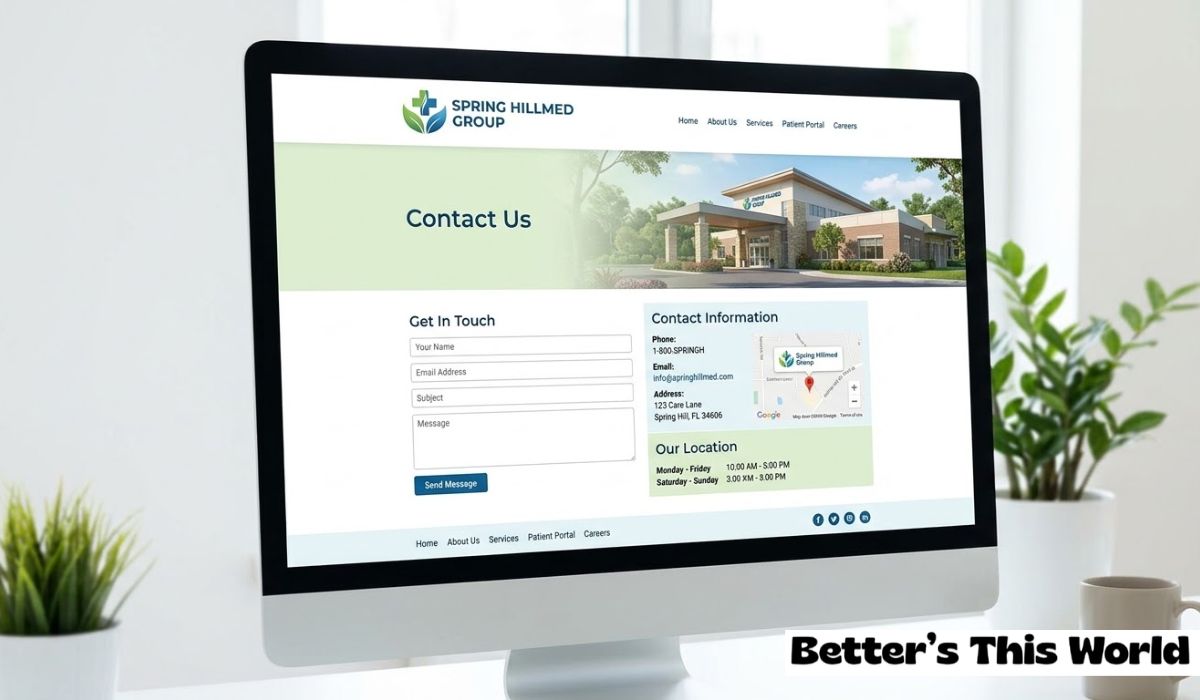
Navigating the modern medical landscape requires clear communication channels between patients and providers. When looking to contact spring hillmed group, individuals are often seeking more than just a phone number; they are looking for a gateway to comprehensive wellness and professional medical guidance. In an era where digital health records and telehealth are becoming the standard, understanding the various methods of engagement is essential for timely care. Whether you are a new patient seeking an initial consultation or a returning individual managing a chronic condition, the efficiency of your initial reach out sets the tone for your entire healthcare journey.
The integration of technology into clinical practice has expanded the ways in which patients can interact with their care teams. Beyond traditional landlines, secure messaging and online scheduling have simplified the process of securing medical attention. This article explores the broader context of healthcare accessibility, focusing on how patient centric organizations facilitate seamless interaction. We will examine the importance of prepared communication, the role of digital portals, and the various specialized services that become available once the initial connection is made. By streamlining the way you contact spring hillmed group, you ensure that your health concerns are addressed with the precision and urgency they deserve.
Streamlining the Appointment Scheduling Process
Securing a time slot with a healthcare provider is the first critical step in addressing any medical concern. Modern clinics have moved toward multi-channel scheduling systems to accommodate the diverse needs of their patient populations. While many still prefer the directness of a phone call, others find the convenience of 24/7 online booking to be a significant advantage. These digital tools often allow users to view available times in real-time, select their preferred practitioner, and provide a brief summary of their symptoms before they even step through the door. This level of preparation helps the medical staff allocate the appropriate amount of time for the visit.
Effective scheduling also involves an understanding of the triage process. When you reach out to a professional medical office, the administrative staff or a nursing professional may ask clarifying questions to determine the urgency of your needs. This ensures that acute issues are prioritized while routine wellness exams are placed appropriately in the calendar. Having your insurance information and a list of current medications ready during this initial phase can significantly speed up the registration process. By participating actively in the scheduling phase, patients contribute to a more efficient and responsive healthcare environment for everyone.
Leveraging Patient Portals for Secure Communication
The rise of secure patient portals has revolutionized the way individuals manage their long-term health data and interact with their doctors. These password-protected environments allow for the exchange of information that is too sensitive for standard email. Through a dedicated portal, patients can request prescription refills, view laboratory results, and send non-urgent messages directly to their care team. This asynchronous communication is particularly useful for follow-up questions that arise after an appointment has concluded, providing a written record of medical advice that the patient can refer back to at any time.
Furthermore, portals serve as a centralized hub for personal health records. Instead of keeping physical copies of test results or immunization records, patients can access their complete history with just a few clicks. This accessibility is invaluable during emergencies or when consulting with specialists outside of the primary network. It empowers individuals to take ownership of their health data, fostering a more collaborative relationship with their providers. As digital literacy continues to grow among all age groups, these portals are becoming the preferred method for managing the logistical side of medical care, offering a level of transparency and convenience that was previously unavailable.
Preparing for a Productive Initial Consultation
The quality of a medical consultation is often determined by the preparation that occurs before the meeting begins. For those reaching out to a new group, it is helpful to compile a comprehensive health history, including past surgeries, family medical history, and any known allergies. This documentation provides the physician with the necessary context to make informed decisions and avoids the need for repetitive questioning. Bringing a list of specific questions or goals for the visit ensures that the most important concerns are addressed within the allotted time frame.
During the consultation, clear communication is the bridge to an accurate diagnosis and effective treatment plan. It is important to be as detailed as possible when describing symptoms, including their duration, intensity, and any triggers that seem to worsen the condition. Patients should not hesitate to ask for clarification if medical terminology is confusing or if the rationale behind a proposed treatment is unclear. A successful visit is one where the patient leaves feeling heard and understood, with a clear set of next steps. This collaborative approach not only improves clinical outcomes but also builds the foundation of trust necessary for a long-term provider-patient relationship.
Understanding the Scope of Specialized Care Services
Once a connection is established with a comprehensive medical network, patients gain access to a wide array of specialized services that go beyond general practice. This can include everything from diagnostic imaging and laboratory testing to specialized clinics for cardiology, neurology, or orthopedics. The advantage of working within an integrated group is the seamless transfer of information between these departments. When a primary physician orders a test, the results are typically shared instantly across the network, allowing for faster interpretation and a more unified approach to treatment.
Specialized care also often involves a multidisciplinary team. For complex conditions, a patient might work with a primary doctor, a specialist, and a physical therapist simultaneously. Coordinated care ensures that all members of the team are working toward the same goals and that treatments do not conflict with one another. This holistic view of patient health is a hallmark of modern medical groups, emphasizing the treatment of the whole person rather than just a collection of isolated symptoms. By accessing these diverse resources, patients can receive highly tailored care that addresses their unique physiological and lifestyle needs.
Navigating Insurance and Financial Responsibilities
Understanding the financial aspects of healthcare is a common concern for many individuals. When engaging with a medical office, it is essential to verify that your specific insurance plan is accepted and to understand what your out-of-pocket responsibilities might be. Most professional groups have dedicated billing departments that can help clarify co-pays, deductibles, and the costs associated with specific procedures. Proactively discussing these details before receiving care can prevent unexpected financial stress and allow for better long-term planning.
In addition to traditional insurance, many groups offer various payment options or financial assistance programs for those who may be underinsured or facing financial hardship. Transparency in pricing is becoming more common, with many facilities providing estimates for common services upon request. This allows patients to make informed decisions about their care based on both medical necessity and financial feasibility. By maintaining an open dialogue with the administrative staff regarding billing and insurance, patients can focus more of their energy on their recovery and wellness, knowing that the logistical details are being handled professionally.
The Importance of Preventive Care and Wellness
While many people only think to contact a doctor when they are feeling unwell, the true value of a medical partnership lies in preventive care. Regular check-ups, screenings, and immunizations are designed to catch potential health issues in their earliest stages, when they are most treatable. These wellness visits provide an opportunity to discuss lifestyle factors such as diet, exercise, and stress management, which play a significant role in preventing chronic diseases like diabetes and hypertension. A proactive approach to health can lead to a higher quality of life and lower long-term medical costs.
Preventive care also includes mental health support and nutritional counseling. Modern medical groups recognize that physical and mental health are deeply intertwined. Offering screenings for anxiety or depression during routine exams allows for early intervention and support. Similarly, working with a nutritionist can help patients manage weight or address specific dietary needs related to medical conditions. By utilizing the full spectrum of preventive services offered by a healthcare network, individuals can build a robust defense against illness and maintain their vitality as they age. This shift from “sick care” to “well care” is a fundamental principle of modern clinical practice.
Ensuring Continuity of Care Across the Lifespan
Healthcare needs naturally evolve as individuals move through different stages of life. A comprehensive medical network is designed to grow with the patient, providing age-appropriate care from young adulthood through the senior years. This continuity of care is beneficial because it allows for a long-term medical record that tracks trends and changes over decades. A physician who has known a patient for several years is often better equipped to notice subtle changes in health that might be missed by a provider who is seeing the individual for the first time.
For seniors, this might involve specialized geriatric care and support for managing multiple chronic conditions. For younger adults, the focus may be on reproductive health, occupational medicine, or sports-related injuries. Regardless of the life stage, having a consistent point of contact within the medical community provides a sense of security and stability. It ensures that transitions between different types of care—such as moving from a primary doctor to a specialist for a specific procedure—are handled smoothly. This long-term relationship fosters a deeper understanding of the patient’s preferences and values, leading to a more personalized and satisfying healthcare experience.
Summary of Healthcare Access Channels
| Access Method | Typical Use Case | Key Benefit |
| Phone Call | Urgent queries and triage | Immediate human interaction |
| Patient Portal | Refills and non-urgent messages | Secure, written record of care |
| Online Booking | Routine appointments | 24/7 convenience and availability |
| In-Person Visit | Physical exams and procedures | Comprehensive clinical assessment |
| Telehealth | Consultations and follow-ups | Remote access from home |
FAQs
What information should I have ready when I contact spring hillmed group?
It is helpful to have your legal identification, current insurance card, a list of all medications including dosages, and a brief summary of the symptoms or reasons for your visit. If you are a new patient, having your previous medical records can also be highly beneficial.
How can I ensure my medical data remains secure during communication?
Always use the official patient portal provided by the medical group for sharing sensitive information. Avoid sending medical details through standard email or social media, as these channels may not be encrypted or HIPAA-compliant.
What should I do if I need medical advice after regular business hours?
For life-threatening emergencies, you should always dial emergency services immediately. For non-urgent matters, most medical groups have an after-hours answering service or a nurse line that can provide guidance on whether your situation requires an urgent care visit or can wait until the next business day.
Is telehealth an option for all types of appointments?
While many consultations, follow-ups, and mental health visits can be conducted via telehealth, certain situations require an in-person physical exam or diagnostic testing. The administrative staff can help you determine if a virtual visit is appropriate for your specific needs.
Conclusion
Establishing a reliable line of communication with a healthcare provider is one of the most important steps you can take for your long-term well-being. Whether you choose to contact spring hillmed group via phone, portal, or an online scheduling tool, the goal is the same: to access high-quality care that is tailored to your unique needs. As we have explored, modern healthcare is more than just treating symptoms; it is about building a partnership that emphasizes prevention, security, and the integration of specialized services. By taking a proactive approach to your medical interactions, you can navigate the complexities of the system with confidence and ease.
The digital tools available today have made it easier than ever to stay connected with your care team and take ownership of your health journey. However, the human element remains at the heart of medicine. The trust and understanding built through regular interactions with professional staff and physicians are what truly drive positive clinical outcomes. As you move forward, remember that your participation and preparation are vital components of the care process. By utilizing the diverse resources offered by an integrated medical group, you are investing in a future of better health and a more vibrant, active lifestyle.

Most of us don’t think much about light—until we’re exhausted at 2 PM or wide awake at midnight. Modern life has quietly disrupted something our bodies have relied on for thousands of years: natural light cycles.
Artificial lighting, long work hours, and too much screen time have made it harder for our internal clocks to function the way they should. The good news? Light therapy lamps offer a practical, science-backed way to get things back on track.
Understanding Light Therapy Lamps
Our bodies run on a circadian rhythm—a roughly 24-hour internal clock that regulates sleep, energy, mood, and hormone production. Natural sunlight is the primary signal that keeps this clock calibrated. When we don’t get enough of it, the whole system can fall out of sync.
Light therapy lamps are designed to simulate the intensity and spectrum of natural daylight. Most emit 10,000 lux of bright, white light—far more than standard indoor lighting. This concentrated exposure signals the brain to suppress melatonin (the sleep hormone) and boost alertness, essentially mimicking the effect of morning sunlight.
They’re widely used to manage seasonal affective disorder (SAD), but their benefits extend well beyond that.
Improving Sleep Quality
Here’s something counterintuitive: using a bright light in the morning can actually help you sleep better at night.
Melatonin production is closely tied to light exposure. When your eyes register bright light early in the day, your brain learns when “daytime” is—which means it also knows when nighttime should begin. The result is a more consistent sleep-wake cycle, with melatonin kicking in at the right time each evening.
For people who struggle with delayed sleep (the “can’t fall asleep before midnight” problem) or irregular schedules, morning light therapy can gradually shift the body clock earlier. Several studies have found that consistent morning light exposure reduces the time it takes to fall asleep and improves overall sleep quality.
Boosting Daily Energy
That sluggish, foggy feeling after waking up has a name—sleep inertia—and light is one of the most effective ways to clear it.
A short session with a light therapy lamp in the morning can accelerate the transition from sleep to full alertness. It suppresses residual melatonin and triggers a rise in cortisol, your body’s natural wake-up hormone. No caffeine required (though no one’s stopping you from combining the two).
The afternoon energy slump, usually hitting somewhere between 1 and 3 PM, is another area where light therapy lamps can help. A brief mid-afternoon session—around 20 to 30 minutes—can restore focus and reduce that creeping urge to nap. It won’t overstimulate you before bed, provided you keep sessions to earlier in the afternoon.
Practical Usage Tips
Getting results from light therapy comes down to timing and consistency. Here’s what tends to work best:
- Morning use: Aim for 20–30 minutes within an hour of waking. This is the highest-impact window for resetting your circadian rhythm and improving sleep quality.
- Positioning: Place the lamp about 16–24 inches from your face, slightly off to the side. You don’t need to stare directly at it—just having it in your field of vision while you eat breakfast or work is enough.
- Avoid evenings: Using bright light therapy lamps late at night can delay melatonin production and make it harder to fall asleep.
- Be consistent: Results build over time. Most people notice a difference within one to two weeks of daily use.
If you have any eye conditions or are sensitive to bright light, it’s worth checking with a doctor before starting.
The Long-Term Payoff
Sleep and energy aren’t isolated variables—they shape mood, cognition, immune function, and how you show up each day. Addressing the root cause (disrupted light exposure) rather than chasing symptoms with supplements or caffeine tends to deliver more lasting results.
Light therapy lamps won’t fix everything, but as part of a consistent daily routine, they’re one of the more reliable tools for supporting your body’s natural rhythms. Small habits, practiced regularly, have a way of compounding—and better mornings have a tendency to make everything else a little easier.
How to Invest in Gold and Precious Metals Wisely

How to Know When Your Roof Needs Replacement
Understanding IPTV Subscriptions for Arabic Entertainment and Streaming
Understanding Personal Injury Claims After an Accident

Key Benefits of Residential Elevators in Modern Homes
The Growing Role of IPTV in Modern Television
The Evolution of University Printing in the Digital Age

How to Reduce Snoring and Sleep Better Every Night

How Physical Therapy Relieves Pelvic Pain

FintechZoom.com: A Smart Resource for Financial News, Investment Education

How to Defend Drug Crime Charges

Tips for Sourcing Bedding Fabrics

Why British Property Investors Are Leveraging U.S. Real Estate Instead of Cashing Out

Guide to Choosing Industrial Portable Radios

Tips for Protecting Your Rights After an Accident

Why Sophisticated Global Investors Are Using Leverage Instead of Cash in U.S. Real Estate

Tips for Choosing Packaging Bags

Tips for Choosing Between Blinds and Shades

Building a Future, Not Just Buying a Home: Why Melbourne Families Are Choosing Smarter Communities

Why Palm Jumeirah Continues to Define the Future of Ultra-Prime Living in Dubai

How to Shop Smart During Festive Sales Without Compromising on Style?

How Child Custody Decisions Are Made In Boston

Streamlining Payroll Processes for Small Teams

The Future of Waterfront Luxury: Why Hudayriyat Island is Abu Dhabi’s Premier Investment Hub

Why Expanding Game Libraries Is Important for Digital Casinos

Incestfl8x: System Update and Performance Framework

белочкш: Meaning, Context, and Its Role in Digital Expression

BetterThisWorldcom: A Comprehensive Guide to Personal Growth

Money BetterThisWorld: Financial Growth Mindful Living and Personal Empowerment

Betterthisfacts Tips by Betterthisworld: Practical Insights for Smarter Daily Living

Betterthisfacts Tips from Betterthisworld: Practical Guide to Smarter Living and Everyday Success

Stocks BetterThisWorld: Learn Investing With Calm Focus And Purpose

ABCBetting AG New Site: Official Access and Platform Guide

BetterThisWorld.com Your Source for Motivation Money Guidance Tech Insights and Modern Living

Irobux Login: Accessing Features & Account Security Tips

Charutbaye: Exploring Cultural Significance and Heritage

Sryzvduebbcylzk: Meaning, Structure, and Digital Use Explained

Guide to Understanding the Error 8379xnbs8e02328ws Code

BTWradiovent event by BetterThisWorld

Why Eurothits Is Gaining Attention in Today’s Digital Environment

BetterThisWorld Stocks | Sustainable Market Growth 2026

BetterThisWorld Business: Redefining Impact in the Modern Era

Python 54axhg5: Programming Guide for Modern Development

Blog ThriftyEventsNet: Smart Guide to Budget Friendly Events and Planning

Betterthisworld.com Success: Modern Roadmap to Growth & Achievement

Gaming Vivid2201 Patches: Updates Improvements and Player Experience
Building a Future, Not Just Buying a Home: Why Melbourne Families Are Choosing Smarter Communities

Better ThisWorld.com: Exploring Purpose Driven Digital Content

A Comprehensive Look at Online Casinos Toptiercasinos.com 2025