Real Estate
Building a Future, Not Just Buying a Home: Why Melbourne Families Are Choosing Smarter Communities

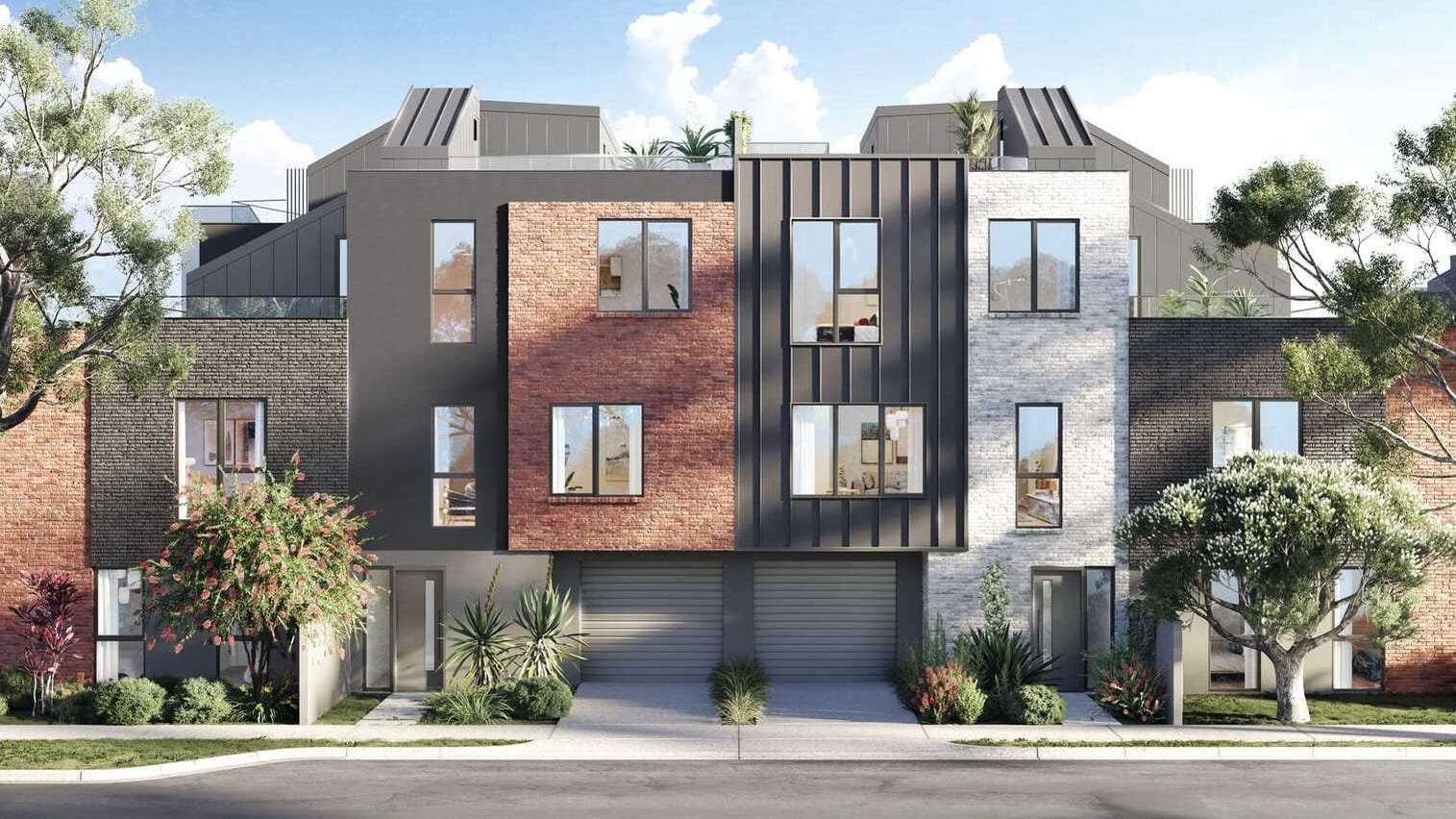
For much of Australia’s modern history, buying property followed a familiar formula. Buyers searched for a house, compared prices, calculated commuting times, and made a decision largely based on affordability and location.
But today’s market is fundamentally different.
Modern homebuyers are not simply purchasing buildings—they are choosing lifestyles, long-term environments, and communities capable of supporting evolving family needs. The conversation has shifted from “Where can I afford to buy?” to “Where can I build the kind of life I actually want?”
That distinction is reshaping Melbourne’s residential landscape.
Across the city’s growth corridors, masterplanned communities are becoming increasingly influential because they offer something many older suburbs struggle to provide: a sense of intentionality. Streets, parks, schools, recreation, and housing are being designed together rather than added incrementally over decades.
This changing buyer mindset is helping drive strong demand for berwick house and land packages while also increasing interest in modern homes and communities connected to the growing appeal of a house for sale in tarneit.
Together, these trends reveal a broader transformation underway in Australian suburban living.
The Modern Family Home Has Changed
The idea of the “perfect home” looks very different today than it did twenty years ago.
Previously, buyers often prioritised:
- Large formal living areas
- Bigger backyards
- Multiple separate rooms
- Proximity to CBD employment
Now, buyer expectations are evolving around how people actually live on a day-to-day basis.
Modern households increasingly value:
- Flexible floorplans
- Multi-purpose spaces
- Indoor-outdoor integration
- Energy efficiency
- Walkability
- Community infrastructure
- Access to nature
Remote and hybrid work patterns have accelerated this transition, but the shift was already underway long before that.
People increasingly want homes that support modern routines rather than older suburban conventions.
Why Buyers Are Looking Beyond Established Suburbs
Melbourne’s established middle-ring suburbs continue attracting demand, but affordability pressures have pushed many buyers to rethink where long-term opportunity exists.
For younger families especially, growth corridors now represent more than a financial compromise.
They increasingly offer:
- Larger homes
- Better-designed communities
- New infrastructure
- Modern amenities
- Greater lifestyle flexibility
Importantly, newer communities are often being planned around contemporary expectations from the outset.
That means:
- More green space
- Better integration of recreational areas
- Walkable neighbourhood design
- Family-oriented facilities
- Environmental planning
This is significantly changing how buyers perceive outer suburban living.
Berwick Waters and the Rise of Lifestyle-Led Planning
One of the clearest examples of this new suburban model can be seen at Berwick Waters in Melbourne’s south-east.
Unlike older suburban developments that focused primarily on residential density, Berwick Waters has been designed around landscape, wellness, and community integration.
The development incorporates:
- More than 50 hectares of wetlands and open space
- Over 9 kilometres of shared walking and cycling paths
- Parks and playgrounds integrated throughout the community
- Waterfront outlooks and nature-focused streetscapes
This emphasis on environmental integration is not simply aesthetic—it reflects changing buyer psychology.
People increasingly value communities that support:
- Outdoor activity
- Mental wellbeing
- Family recreation
- Slower-paced living
- Social interaction
That lifestyle orientation has become a major driver of demand for berwick house and land packages.
The Emotional Side of Property Decisions
Property discussions are often dominated by numbers:
- Interest rates
- Median prices
- Capital growth
- Borrowing capacity
But housing decisions are deeply emotional as well.
Buyers increasingly want homes that feel calming, connected, and sustainable over the long term.
This explains why communities built around water, open space, and greenery are performing strongly.
At Berwick Waters, wetlands and parklands are not treated as secondary inclusions—they form the backbone of the community identity. Residents have access to scenic walking trails, viewing platforms, and interconnected green corridors designed to encourage outdoor living and recreation.
These features shape how residents experience everyday life, and that emotional connection can significantly influence long-term desirability.
Why House and Land Packages Continue to Appeal
The continued popularity of berwick house and land packages reflects several broader market shifts.
Buyers Want More Control
Established homes often require compromise:
- Outdated layouts
- Renovation costs
- Poor energy efficiency
- Limited flexibility
Building a new home allows buyers to create spaces tailored to modern living.
Features many buyers now prioritise include:
- Open-plan kitchens and living areas
- Home office integration
- Better natural light
- Smart storage
- Energy-efficient construction
House and land packages make these priorities more achievable.
Buyers Want Predictability
In uncertain economic conditions, predictability matters.
New homes generally offer:
- Builder warranties
- Lower maintenance costs
- Modern construction standards
- Better long-term operating efficiency
This can reduce financial surprises compared to older established housing stock.
Buyers Want Simpler Pathways Into Ownership
For many households, sourcing land, selecting builders, and coordinating approvals independently can feel overwhelming.
Integrated house and land solutions simplify this process considerably, particularly for first-home buyers entering the market for the first time.
Tarneit and the Evolution of Melbourne’s West
While Melbourne’s south-east has become associated with nature-led masterplanning, the western corridor tells another important story about modern suburban growth.
Tarneit has emerged as one of Melbourne’s fastest-growing residential areas because it offers something increasingly valuable in today’s market:
balance.
The suburb combines:
- Relative affordability
- Expanding infrastructure
- New housing supply
- Growing retail and education networks
- Increasing community amenity
But Tarneit’s appeal extends beyond price alone.
Modern developments in the area are being designed around integrated living rather than isolated suburban expansion.
This is helping drive ongoing demand for a house for sale in tarneit among first-home buyers, upgrading families, and investors alike.
The Importance of Infrastructure Timing
One of the biggest frustrations historically associated with outer suburban growth was infrastructure lag.
Homes would arrive years before:
- Schools
- Shopping centres
- Public transport
- Recreational facilities
Today’s buyers are far less willing to accept that trade-off.
Modern communities are increasingly expected to provide:
- Early-stage amenity
- Education access
- Healthcare proximity
- Recreational infrastructure
- Retail convenience
Berwick Waters reflects this newer planning model.
The community already includes educational infrastructure, with Turrun Primary School and Wulerrp Secondary College opening in January 2025. Nearby shopping precincts, healthcare services, and recreational spaces also contribute to a more complete living environment.
This integration helps create stronger long-term confidence among buyers.
The Growing Importance of Wellness
Wellness has become one of the defining themes in modern residential planning.
And importantly, wellness today extends beyond gyms or fitness centres.
Buyers increasingly want communities that support:
- Reduced daily stress
- Better work-life balance
- Outdoor activity
- Family connection
- Social interaction
- Access to nature
This helps explain why communities designed around waterways, wetlands, parks, and walkability are resonating so strongly.
At Berwick Waters, wellness is intentionally integrated into the development philosophy itself, with open spaces and environmental features designed to encourage healthier everyday lifestyles.
Buyers Are Thinking Longer Term
Perhaps the biggest shift in today’s market is that buyers are increasingly making decisions with a long-term mindset.
Rather than focusing solely on immediate affordability, many households now evaluate:
- Future family needs
- Community evolution
- Infrastructure growth
- Lifestyle sustainability
- Long-term liveability
This broader perspective is changing how buyers assess value.
Suburbs and developments capable of adapting alongside resident needs are becoming significantly more attractive.
The Role of Community Identity
Another factor becoming increasingly influential is identity.
Modern buyers often want communities that feel distinctive rather than generic.
Masterplanned developments increasingly focus on:
- Streetscape consistency
- Landscape design
- Community events
- Shared public spaces
- Strong neighbourhood character
These elements contribute to stronger emotional attachment and social connection.
Communities that foster belonging often generate:
- Higher resident satisfaction
- Longer-term occupancy
- Stronger local engagement
- More resilient demand over time
Sustainability Is Quietly Reshaping Expectations
Environmental considerations are also becoming more important in subtle but meaningful ways.
Today’s buyers increasingly value:
- Water-sensitive urban design
- Energy-efficient homes
- Walkability
- Green corridors
- Reduced urban heat
- Natural landscape integration
Communities incorporating wetlands and extensive open space are increasingly viewed not just as visually appealing, but as healthier and more sustainable environments for long-term living.
This is becoming an increasingly important differentiator in competitive suburban markets.
Final Thoughts
Melbourne’s property market is not simply expanding outward—it is evolving.
Today’s buyers are approaching homeownership with a far more sophisticated understanding of lifestyle, community, flexibility, and long-term wellbeing.
The continued popularity of berwick house and land packages reflects growing demand for communities that combine nature, infrastructure, and modern family living within a thoughtfully planned environment.
At the same time, rising interest in a house for sale in tarneit highlights how buyers are embracing growth suburbs that offer affordability, flexibility, and access to emerging lifestyle infrastructure.
Together, these trends point toward a broader suburban reset—one where the future of Australian living is increasingly defined not by proximity alone, but by the quality of life communities are capable of delivering.

For decades, British buyers have treated U.S. property as a long term store of value, a way to diversify away from a London market that increasingly punishes leveraged ownership. But a quieter trend is now taking shape among UK investors and expats. Rather than selling U.S. property to release cash, many are borrowing against it instead, often working with specialist cross border lenders such as Global Mortgage Group (GMG) to structure the financing.
It’s a shift driven as much by frustration with the UK market as by opportunity abroad.
The UK Property Squeeze
Owning property in Britain has become an expensive exercise in patience. A foreign or additional property buyer purchasing in London can face Stamp Duty Land Tax of around 17% once the non resident and additional property surcharges stack on top of the standard rate for a higher value home. Add council tax, leasehold service charges that can run £20,000 to £50,000 a year in premium developments, and prime London gross rental yields of just 3.5% to 4.5%, and holding UK property purely for income starts to look thin.
At the same time, sterling has been structurally weaker against the dollar since 2016, meaning U.S. dollar denominated assets have quietly outperformed for many British holders simply by sitting still. It’s part of why British buyers have climbed back among the top ranks of foreign purchasers of U.S. residential real estate, according to the National Association of Realtors, a reversal after several years off the list entirely.
The result is a growing number of British investors and expats who already own U.S. property that has appreciated significantly, and who are increasingly reluctant to sell it.
Why Selling Isn’t the Obvious Answer Anymore
The instinct to sell an appreciated asset and bank the gain makes sense on paper. In practice, it comes with real costs: U.S. capital gains exposure, FIRPTA withholding at the point of sale, the loss of a dollar denominated hedge against sterling weakness, and the problem of giving up a property in a market like Miami, Austin, or Atlanta that may still have room to run.
For investors who bought well fifteen or twenty years ago, a Florida condo picked up for a few hundred thousand dollars that’s now worth several times that, the appreciation is real but locked up. Selling converts it into cash. Financing converts it into working capital, without giving up the asset.
This is the logic behind a growing wave of equity release and leverage strategies among British property owners with U.S. holdings: structuring finance for borrowers whose income, credit history, and wealth structures don’t fit neatly into a standard U.S. mortgage application.
The Underwriting Problem for British Borrowers
Most mainstream U.S. lenders are built around domestic borrowers: W-2 income, a U.S. credit score, a Social Security Number, conventional salary documentation. British investors holding assets through UK LLPs, holding companies, or family trusts often don’t fit that mould even when their net worth is substantial.
It’s a familiar frustration for anyone who has tried to remortgage a U.S. property from the UK. The asset is valuable and the borrower creditworthy by any sensible measure, but the paperwork doesn’t map onto a standard American underwriting model. Specialist cross border lenders close that gap by assessing deals on the strength of the property, the borrower’s overall balance sheet, and exit strategy, rather than insisting on a U.S. tax return.
Financing Tools British Investors Are Actually Using
A few structures come up repeatedly among British owners of U.S. property looking to unlock liquidity without selling.
Global Bridging Loans have become a common way to move quickly, funding a new acquisition, covering a liquidity gap, or bridging a transaction before longer term financing is arranged. This type of short term borrowing, secured against U.S. property, suits investors who need capital released fast against an asset they already own outright, rather than waiting on a lengthy conventional refinance.
For British investors whose wealth sits partly in investment portfolios rather than solely in property, borrowing against securities has become a complementary tool, freeing up capital without triggering a sale and the associated tax event.
Cash out refinancing on existing U.S. holdings is another route: extracting 50% to 65% of the equity in an appreciated property and redeploying it into further U.S. acquisitions, UK investments, or business capital, while keeping the original asset and its future upside.
Where This Is Happening Most
Florida remains the clear favourite for British buyers and investors. Miami, Palm Beach, Naples, and Sarasota benefit from direct flights out of Heathrow, an established British expat community, no state income tax, and rental yields of 5.5% to 8%, well above the London comparison. Atlanta has also gained traction as an entry point for investors priced out of the coastal markets, with quality investment properties still available in the $200,000 to $400,000 range.
These markets share liquidity and a track record of appreciation long enough that British owners who bought fifteen or twenty years ago now sit on properties worth several multiples of their original purchase price. That’s the profile of borrower for whom equity release financing makes the most sense: the asset has already done the hard work of appreciating, and the only question is how to access that value without disturbing the position.
Tax and Structuring Considerations
None of this happens in a vacuum. Capital gains on U.S. property are generally taxable in the United States, with FIRPTA withholding applied at sale, one more reason financing against an asset is often more attractive than selling it. U.S. estate tax can also apply to non resident aliens holding American assets above a fairly low threshold, though the UK-US estate tax treaty provides meaningful relief in most cases. None of this is a barrier to investing. It’s a planning consideration, typically handled alongside specialist UK-US tax advisers.
A Practical Shift, Not a Speculative One
None of this is about chasing yield for its own sake. It reflects an ordinary piece of financial logic that British investors have long applied to other asset classes but are only now applying more systematically to U.S. property: an asset that’s appreciated significantly doesn’t need to be sold to be useful. It can be borrowed against.
For a British family that bought a Florida property in the early 2000s and has watched it triple or quadruple in value since, the choice isn’t really “sell or hold.” It’s “hold and do nothing, or put some of that equity to work.” As sterling trades unevenly against the dollar and UK property taxation shows little sign of softening, more British investors are pairing property equity with tools like Share Financing to make their wealth work harder without giving up the underlying assets. That’s increasingly a financing conversation rather than a sales one.
Real Estate
Why Sophisticated Global Investors Are Using Leverage Instead of Cash in U.S. Real Estate

International investment in U.S. residential real estate continues to grow, yet one statistic stands out: nearly half of foreign buyers still purchase property entirely with cash.
According to the latest data referenced in the 2026 Global Investor Mortgage Guide, foreign buyers purchased approximately $56 billion worth of U.S. residential real estate during the most recent reporting period, while 47% of those buyers paid all cash. For many investors, that decision is not driven by necessity. Instead, it often reflects a belief that financing options are limited for non-U.S. residents or that cash is the simplest path to acquisition.
However, many experienced global investors view financing differently. Rather than using leverage because they need it, they use it because it allows them to deploy capital more efficiently across multiple opportunities.
For international investors evaluating the U.S. market, understanding how financing fits into a broader portfolio strategy can be just as important as selecting the right property. Firms such as America Mortgages work with foreign nationals, U.S. expatriates, family offices, and global investors seeking access to U.S. real estate financing solutions that support long-term investment objectives.
Why Paying Cash May Not Always Be the Most Efficient Strategy
One of the central themes emerging from global real estate investing is that the investors most capable of paying cash are often the ones who benefit the most from not doing so.
Consider a simple example. A $2 million rental property purchased entirely with cash may generate rental income, but the full $2 million remains tied to a single asset. By contrast, financing a portion of the acquisition can leave significant capital available for additional investments, liquidity reserves, or future acquisitions.
For sophisticated investors, leverage is often viewed as a capital allocation tool rather than a sign of constrained resources. The objective is not simply to acquire an asset but to maximize the efficiency of the capital deployed.
This perspective becomes increasingly important as investors seek to build portfolios rather than acquire individual properties.
Three Reasons Global Investors Continue to Target U.S. Real Estate
The guide highlights several factors that continue to attract international capital to the United States:
1. Strong International Demand
Foreign buyer activity increased significantly during the latest reporting period, with transaction volume and total purchase value both rising year over year. The United States remains a primary destination for global real estate investment.
2. Access to Long-Term Financing
Compared with many major international markets, the U.S. offers broader financing options for foreign investors, including long-term fixed-rate structures that are difficult to find elsewhere.
3. Exposure to U.S. Dollar Assets
For many investors, U.S. real estate serves not only as a property investment but also as a USD-denominated asset allocation. This creates exposure to both real estate performance and the world’s primary reserve currency.
How DSCR Financing Supports Portfolio Growth
For investors focused on building multiple-property portfolios, Debt Service Coverage Ratio (DSCR) financing has become an increasingly important tool.
Traditional mortgage underwriting typically evaluates a borrower’s overall debt-to-income position. As additional properties are acquired, qualifying for new financing can become increasingly difficult regardless of the performance of the underlying assets.
DSCR financing approaches the analysis differently. Individual properties are generally evaluated based on their own rental income and their ability to support the proposed debt obligation.
This structure can create significant advantages for investors seeking to scale.
A common growth cycle often follows this pattern:
- Acquire a cash-flowing property using financing.
- Allow the property to appreciate while building equity.
- Refinance and extract a portion of the accumulated equity.
- Redeploy capital into additional acquisitions.
- Repeat the process to expand the portfolio.
Because each property is evaluated on its own performance, investors can often pursue growth opportunities that would be more difficult under conventional qualification methods.
What Global Investors Should Consider Beyond the Property
Financing is only one component of a successful investment strategy. The guide also highlights several broader considerations that sophisticated investors often evaluate before entering the U.S. market.
Ownership Structure
Many international investors utilize U.S. LLC structures when acquiring real estate. Depending on the investor’s objectives, ownership structures may affect liability protection, privacy, reporting requirements, and long-term planning considerations.
Currency Exposure
For global investors, U.S. real estate represents more than a physical asset. Rental income, property value, and financing can all be denominated in U.S. dollars. When debt, income, and asset value are aligned in the same currency, investors may reduce certain forms of currency mismatch within the investment itself.
Due Diligence
Professional investors typically place significant emphasis on property-level and financing-level due diligence. Independent appraisals, title verification, rental income analysis, lender review, and source-of-funds documentation all play important roles in the acquisition process.
Four Situations Where Bridge Financing Can Be Valuable
Not every acquisition fits neatly into a traditional financing timeline. The guide identifies several situations where short-term financing can serve a strategic purpose.
1. Off-Market Opportunities
When desirable properties become available outside traditional listing channels, investors often need the ability to move quickly.
2. Competitive Acquisition Environments
In highly competitive markets, speed can be a significant advantage when multiple buyers are pursuing the same asset.
3. Distressed or Transitional Properties
Properties requiring renovation, stabilization, or repositioning may not always qualify immediately for long-term financing.
4. Time-Sensitive Closings
Some transactions simply require faster execution than conventional financing can accommodate.
In these situations, Bridge Financing can provide temporary capital designed to facilitate acquisition before transitioning into a longer-term financing solution.
An Increasingly Important Segment: U.S. Citizens Living Abroad
The guide also addresses financing considerations for Americans residing outside the United States.
Many U.S. citizens maintain investment objectives in the American housing market despite earning income abroad or maintaining residency in another country. Specialized financing programs can help address some of the documentation and qualification considerations associated with international income sources.
Investors seeking information about financing solutions designed specifically for expatriates can review available U.S. Expat mortgage programs, which are tailored to the needs of Americans living and working internationally.
The Bigger Picture for Global Investors
As international investment activity continues to expand, financing is becoming a more strategic component of portfolio construction.
The 2026 Global Investor Mortgage Guide suggests that many investors may be overlooking opportunities by assuming cash purchases are always the optimal approach. While cash remains an important option, leverage can create flexibility, preserve liquidity, and support long-term portfolio growth when used thoughtfully.
For global investors evaluating U.S. residential real estate, the question is increasingly not whether financing is available, but how financing can be used to support broader investment objectives. In a market that continues to attract billions of dollars in international capital, understanding that distinction may prove to be one of the most valuable advantages an investor can have.
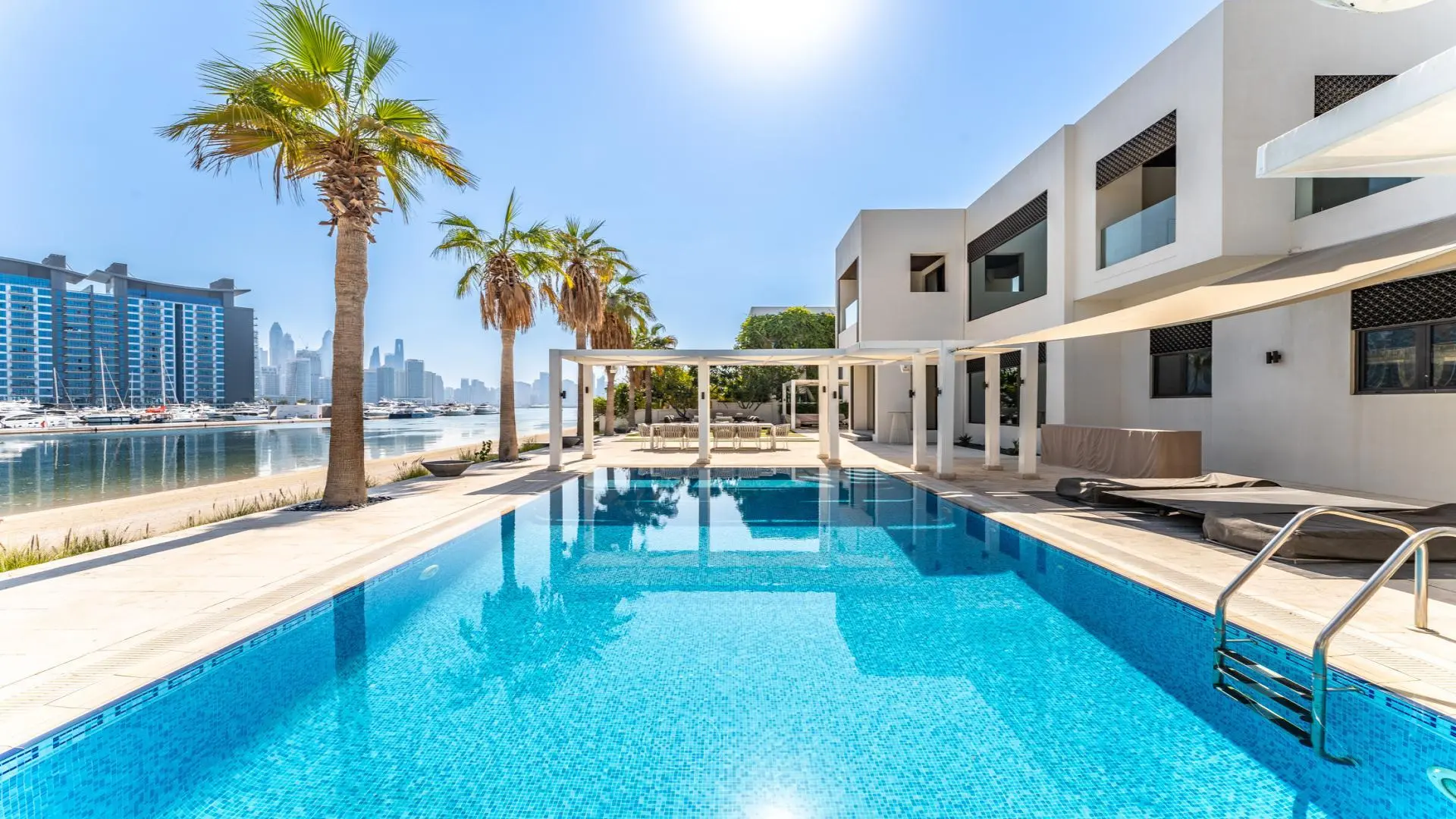
Dubai’s real estate market has undergone a remarkable transformation over the past two decades. What was once viewed as a rapidly growing regional property hub has evolved into one of the world’s most internationally recognised luxury real estate destinations.
Yet even within Dubai’s increasingly competitive premium property market, one location continues to stand apart:
Palm Jumeirah.
Globally recognised for its iconic design, waterfront exclusivity, and ultra-luxury residences, Palm Jumeirah has become far more than a prestigious address. Today, it represents a unique combination of lifestyle, scarcity, international demand, and long-term investment resilience.
For buyers exploring opportunities within the broader dubai real estate market, Palm Jumeirah remains one of the clearest examples of how strategic urban planning and waterfront scarcity can create enduring value.
At the same time, increasing global wealth migration and sustained demand for premium waterfront assets are reshaping the market for houses for sale in palm jumeirah dubai, turning the island into one of the most closely watched luxury residential ecosystems in the world.
But Palm Jumeirah in 2026 is not the same market it was five or ten years ago.
The buyers have changed.
The investment strategies have evolved.
And the definition of luxury itself is becoming more sophisticated.
Understanding these shifts is essential for anyone seeking long-term value in Dubai’s ultra-prime real estate market.
Palm Jumeirah Has Become a Global Luxury Brand
One of the most important reasons Palm Jumeirah continues outperforming many other luxury districts is simple:
it is internationally recognisable.
Very few residential destinations worldwide have achieved the same level of global branding as Palm Jumeirah.
For international investors, that recognition matters because it creates:
- stronger resale liquidity,
- broader buyer demand,
- and long-term prestige value.
Whether an investor is based in London, Singapore, Riyadh, or New York, Palm Jumeirah is instantly identifiable.
That level of global awareness is rare in real estate.
Over time, internationally recognised luxury districts often develop stronger resilience because demand is not dependent on one local buyer pool alone.
Instead, they attract global capital continuously.
Waterfront Scarcity Is Becoming Increasingly Valuable
One of the fundamental drivers behind Palm Jumeirah’s long-term performance is genuine scarcity.
Unlike inland communities that can continue expanding outward, true beachfront inventory remains naturally limited.
This scarcity becomes even more important in a growing city like Dubai, where population growth and international migration continue supporting residential demand.
According to recent market analysis, ultra-prime waterfront properties across Dubai continue attracting exceptionally strong demand from international high-net-worth buyers.
Within Palm Jumeirah itself, several scarcity layers exist simultaneously:
- private beach access,
- unobstructed sea views,
- branded luxury developments,
- and limited villa inventory.
As more global investors prioritise lifestyle-driven assets, these features are becoming increasingly valuable.
Why Luxury Buyers Are Prioritising Lifestyle Ecosystems
Luxury real estate globally is evolving beyond square footage and location alone.
Today’s high-net-worth buyers increasingly prioritise:
- wellness,
- privacy,
- hospitality integration,
- convenience,
- and lifestyle infrastructure.
Palm Jumeirah performs exceptionally well across all these categories.
Residents benefit from:
- private beaches,
- luxury resorts,
- fine dining,
- marinas,
- wellness facilities,
- and high-end retail
within a highly integrated waterfront environment.
This creates what many luxury buyers now seek most:
a self-contained lifestyle ecosystem.
Importantly, this ecosystem already exists.
Many emerging luxury districts promise future infrastructure. Palm Jumeirah already operates as a mature international destination.
That maturity significantly reduces investment uncertainty.
The Rise of Branded Residences and Hospitality-Led Living
One of the biggest trends reshaping Palm Jumeirah is the rise of branded residences.
Luxury hospitality brands and international lifestyle companies are increasingly partnering with developers to create:
- hotel-serviced apartments,
- branded penthouses,
- and ultra-prime beachfront residences.
These projects typically command significant pricing premiums because buyers associate them with:
- consistent service standards,
- operational quality,
- and global prestige.
In many cases, branded residences also support stronger:
- rental demand,
- resale liquidity,
- and international buyer interest.
This reflects a broader shift in luxury real estate globally:
buyers are no longer purchasing only homes.
They are purchasing experiences.
Palm Jumeirah’s hospitality-driven ecosystem positions it particularly well for this evolution.
The Psychology of Luxury Buyers Has Changed
Perhaps the most important shift in Dubai’s luxury market is psychological.
Luxury buyers today are far more sophisticated than during earlier market cycles.
They increasingly evaluate:
- long-term scarcity,
- international competitiveness,
- developer reputation,
- and global positioning.
This means buyers are no longer simply looking for expensive homes.
They are looking for assets capable of maintaining relevance over decades.
Palm Jumeirah benefits heavily from this trend because its positioning is difficult to replicate.
Globally, truly iconic waterfront residential districts remain relatively limited.
And unlike newer developments still building identity, Palm Jumeirah already possesses international prestige.
Why Villas Remain Especially Attractive
Although Palm Jumeirah contains a wide range of luxury apartments and penthouses, villas remain particularly desirable.
This is largely because:
- supply is inherently limited,
- land ownership is scarce,
- and beachfront positioning is difficult to duplicate.
Recent market commentary continues highlighting strong demand for ultra-luxury villas across Dubai’s prime waterfront locations.
Luxury villa buyers today often prioritise:
- privacy,
- outdoor space,
- direct beach access,
- and customisation potential.
Palm Jumeirah uniquely combines these preferences with proximity to Dubai’s urban core.
That balance is difficult to achieve in most global cities.
Dubai’s Luxury Market Is Becoming More Segmented
One of the clearest signs of market maturity is increasing differentiation between assets.
In earlier growth cycles, broad market momentum often lifted most luxury inventory simultaneously.
Today, performance is becoming more selective.
The market increasingly rewards:
- premium locations,
- established communities,
- exceptional architecture,
- and globally competitive assets.
At the same time, average or less differentiated luxury inventory faces greater competition from expanding supply elsewhere.
This segmentation benefits Palm Jumeirah because it sits firmly within Dubai’s ultra-prime category.
Its scarcity and global recognition create advantages that are difficult for newer districts to replicate quickly.
Global Wealth Migration Is Supporting Long-Term Demand
Dubai’s luxury property market is increasingly connected to international wealth migration.
According to recent wealth migration reports, the UAE continues ranking among the world’s leading destinations for incoming millionaires.
This trend matters because many high-net-worth individuals relocating to Dubai seek:
- lifestyle-driven homes,
- long-term residency options,
- and globally competitive luxury assets.
Palm Jumeirah aligns perfectly with these preferences.
Importantly, many of these buyers are not purely speculative investors.
They are purchasing:
- primary residences,
- family homes,
- second homes,
- or long-term wealth preservation assets.
That creates a more stable demand profile compared to speculative-only markets.
Why Developer Reputation Matters More Than Ever
In Dubai’s luxury market, the developer behind the property increasingly influences long-term value.
Top-tier developers tend to command stronger pricing because buyers associate them with:
- construction quality,
- maintenance standards,
- timely delivery,
- and long-term community planning.
As buyers become more sophisticated, developer reputation is becoming a major valuation factor.
This is particularly important in Palm Jumeirah, where ultra-premium buyers expect international standards across:
- design,
- finishes,
- amenities,
- and service integration.
Exploring Palm Jumeirah’s Luxury Housing Market
For buyers evaluating opportunities within Dubai’s ultra-prime waterfront segment, curated listings featuring houses for sale in palm jumeirah dubai provide insight into one of the city’s most prestigious residential ecosystems.
These listings allow buyers to compare:
- beachfront positioning,
- architectural styles,
- villa configurations,
- and lifestyle offerings
across one of Dubai’s most internationally recognised destinations.
At the same time, broader insights into the evolving dubai real estate market reveal how global wealth migration, waterfront scarcity, and luxury lifestyle demand continue reshaping the city’s premium property landscape.
Together, they reflect a market increasingly driven not by short-term momentum alone, but by long-term international relevance.
The Future of Palm Jumeirah
Palm Jumeirah’s future will likely be shaped by several major trends:
- growing ultra-prime global demand,
- increased branded residence development,
- hospitality-led luxury living,
- and rising scarcity value.
At the same time, Dubai’s broader luxury market is expected to become even more competitive and segmented.
This means:
- exceptional properties may continue outperforming,
- globally recognised waterfront assets may strengthen further,
- and buyers may become increasingly selective.
Palm Jumeirah is particularly well-positioned for this environment because its advantages are structural rather than temporary.
Its combination of:
- waterfront exclusivity,
- mature infrastructure,
- international branding,
- and limited inventory
creates long-term resilience that many emerging luxury districts still lack.
Final Thoughts
Palm Jumeirah’s success is not simply the result of luxury branding or ambitious architecture.
It reflects something deeper:
the increasing global value of genuinely scarce, internationally recognised waterfront real estate.
As Dubai continues evolving into one of the world’s leading luxury property markets, Palm Jumeirah remains uniquely positioned at the centre of that transformation.
For investors, buyers, and long-term residents alike, the island increasingly represents more than a prestigious address.
It represents:
- stability
- scarcity,
- global relevance,
- and long-term lifestyle value
within one of the fastest-evolving luxury real estate markets in the world.
And in an era where luxury buyers are becoming more selective than ever, those qualities may matter far more than short-term market cycles alone.

How to Know When Your Roof Needs Replacement
Understanding IPTV Subscriptions for Arabic Entertainment and Streaming
Understanding Personal Injury Claims After an Accident

Key Benefits of Residential Elevators in Modern Homes
The Growing Role of IPTV in Modern Television
The Evolution of University Printing in the Digital Age

How to Reduce Snoring and Sleep Better Every Night

How Physical Therapy Relieves Pelvic Pain

FintechZoom.com: A Smart Resource for Financial News, Investment Education

How to Defend Drug Crime Charges

Tips for Sourcing Bedding Fabrics

Why British Property Investors Are Leveraging U.S. Real Estate Instead of Cashing Out

Guide to Choosing Industrial Portable Radios

Tips for Protecting Your Rights After an Accident

Why Sophisticated Global Investors Are Using Leverage Instead of Cash in U.S. Real Estate

Tips for Choosing Packaging Bags

Tips for Choosing Between Blinds and Shades

Building a Future, Not Just Buying a Home: Why Melbourne Families Are Choosing Smarter Communities

Why Palm Jumeirah Continues to Define the Future of Ultra-Prime Living in Dubai

How to Shop Smart During Festive Sales Without Compromising on Style?

How Child Custody Decisions Are Made In Boston

Streamlining Payroll Processes for Small Teams

The Future of Waterfront Luxury: Why Hudayriyat Island is Abu Dhabi’s Premier Investment Hub

Why Expanding Game Libraries Is Important for Digital Casinos

Identifying 3463215186: A Guide to Numeric Security

Incestfl8x: System Update and Performance Framework

белочкш: Meaning, Context, and Its Role in Digital Expression

BetterThisWorldcom: A Comprehensive Guide to Personal Growth

Stocks BetterThisWorld: Learn Investing With Calm Focus And Purpose

Betterthisfacts Tips from Betterthisworld: Practical Guide to Smarter Living and Everyday Success

Betterthisfacts Tips by Betterthisworld: Practical Insights for Smarter Daily Living

ABCBetting AG New Site: Official Access and Platform Guide

Money BetterThisWorld: Financial Growth Mindful Living and Personal Empowerment

BetterThisWorld.com Your Source for Motivation Money Guidance Tech Insights and Modern Living

Irobux Login: Accessing Features & Account Security Tips

Charutbaye: Exploring Cultural Significance and Heritage

Sryzvduebbcylzk: Meaning, Structure, and Digital Use Explained

Guide to Understanding the Error 8379xnbs8e02328ws Code

BTWradiovent event by BetterThisWorld

Why Eurothits Is Gaining Attention in Today’s Digital Environment

BetterThisWorld Stocks | Sustainable Market Growth 2026

BetterThisWorld Business: Redefining Impact in the Modern Era

Python 54axhg5: Programming Guide for Modern Development

Blog ThriftyEventsNet: Smart Guide to Budget Friendly Events and Planning

Betterthisworld.com Success: Modern Roadmap to Growth & Achievement

Gaming Vivid2201 Patches: Updates Improvements and Player Experience

Betterthisworld Business: Guide to Smart Growth and Modern Success

The Endless Barrel Roll Challenge: Exploring the Internet’s Wildest Gaming Stunt
Building a Future, Not Just Buying a Home: Why Melbourne Families Are Choosing Smarter Communities