Gaming
EmbersLasVegas Gaming | Top Casino Reviews & Guide

The landscape of high-stakes entertainment has undergone a massive shift as the world transitions into 2026. No longer confined to the neon lights of physical strips, the thrill of the win has migrated to sophisticated digital environments that prioritize speed, security, and immersion. For the modern enthusiast, finding a platform that balances a classic atmosphere with cutting-edge technology is the ultimate goal. This search often leads to the discovery of emberslasvegas gaming, a concept that encapsulates the heat of the competition and the prestige of a high-tier venue.
In this new era, the distinction between a casual hobby and professional-grade play is defined by the quality of the interface and the transparency of the systems involved. Players are increasingly looking for experiences that offer more than just a digital version of a slot machine; they want a comprehensive ecosystem that includes social interaction, advanced loyalty rewards, and a vast library of titles from world-class developers. The evolution of this industry has been fueled by breakthroughs in mobile optimization and decentralized finance, making it easier than ever to access premium content from any device.
As we navigate through this guide, we will explore the essential components that make a platform stand out in a crowded marketplace. From the importance of licensing and regulatory compliance to the technical innovations that ensure fairness, understanding the mechanics of the industry is key to a safe and enjoyable journey. Whether you are a veteran of the tables or a newcomer curious about the digital shift, the following analysis provides the clarity needed to excel in the world of modern wagering.
Evaluating Platform Security and Regulatory Standards
Safety is the cornerstone of any reputable online environment, especially when financial transactions are involved. A platform that aspires to lead the market must implement the highest levels of encryption to protect user data. This typically includes SSL certificates and multi-layered firewalls that prevent unauthorized access. For many players, the presence of these security measures is the first thing they check before creating an account. Beyond technical defenses, the most trusted sites are those that operate under a valid license from recognized international bodies, ensuring that they adhere to strict codes of conduct.
Auditing is another critical aspect of maintaining a secure ecosystem. Independent organizations frequently test the software used by top-tier operators to ensure that the outcomes are truly random and have not been tampered with. This transparency builds a foundation of trust between the player and the house. Furthermore, the best sites provide clear information regarding their ownership and physical headquarters, moving away from the “anonymous” operations of the past. By prioritizing these standards, an operator demonstrates its commitment to the longevity of its community.
Modern platforms also incorporate advanced account protection tools. Features like Two-Factor Authentication (2FA) have become standard, providing an extra layer of defense against account takeovers. Additionally, secure payment gateways that support a variety of methods—from traditional credit cards to modern digital wallets—allow users to manage their funds with peace of mind. In a world where cyber threats are constantly evolving, a proactive approach to security is what separates the elite venues from the mediocre ones.
The Impact of Diverse Software Providers
The variety and quality of games available on a site are direct reflections of the partnerships the operator has established with software developers. In 2026, the industry is dominated by a few key players who have mastered the art of creating engaging, high-definition content. These developers focus on everything from the visual aesthetics of a slot game to the complex mathematics behind a poker algorithm. A site that hosts a wide range of providers can offer a more varied experience, catering to different tastes and skill levels.
Innovation in this space is moving toward greater interactivity. We are seeing more “gamified” elements where players can unlock achievements or participate in narrative-driven quests while they play. This adds a layer of depth that goes beyond simple wagering. Furthermore, the shift toward mobile-first development ensures that these high-quality graphics and smooth animations are accessible on smartphones and tablets without any loss in performance. This accessibility is a major driver of growth, as more people choose to play during their commute or in short breaks throughout the day.
Another trend is the rise of niche developers who specialize in specific types of games, such as high-volatility slots or decentralized applications. These smaller studios often bring fresh ideas to the table, challenging the established giants and keeping the industry vibrant. By offering a mix of classic titles and experimental new releases, a platform can keep its audience engaged for the long term. This diversity ensures that there is always something new to discover, preventing the user experience from becoming stale.
Advancements in Real-Time Dealer Interaction
For many, the social aspect of a casino is its biggest draw. Technology has successfully bridged the gap between home play and the physical floor through the introduction of high-definition streaming. This allows players to interact with professional dealers in real-time, bringing the authentic atmosphere of a VIP lounge to their computer screen. These live environments are filmed in specialized studios equipped with multiple camera angles, ensuring that every movement is visible and transparent.
The technology behind these streams has improved significantly, with low-latency connections ensuring that there is no delay between the dealer’s actions and the player’s reaction. This is particularly important for fast-paced games like Blackjack or Roulette, where timing is everything. Players can also use a chat function to talk to the dealer and other participants, creating a sense of community that is often missing from purely digital games. This human element is a powerful tool for building loyalty and trust.
Moreover, the variety of live games has expanded to include unique game shows and hybrid formats. These titles combine traditional mechanics with interactive features like multipliers and bonus rounds, offering a dynamic and entertaining experience. The ability to switch between a private table and a public game show at the touch of a button provides a level of flexibility that physical venues simply cannot match. As streaming technology continues to evolve, we can expect even more immersive features, such as 360-degree views and enhanced VR integration.
Strategic Bankroll Management and Responsibility
Success in the world of wagering is not just about luck; it is about discipline and strategy. The most successful players are those who treat their activity with a professional mindset, setting clear limits on how much they are willing to spend. Bankroll management is a skill that takes time to master, but it is essential for ensuring that the experience remains fun and sustainable. A common strategy involves setting aside a specific “entertainment fund” that is separate from one’s daily living expenses.
Responsible play is a two-way street between the user and the platform. Leading sites now provide a suite of tools to help players stay in control. These include the ability to set daily, weekly, or monthly deposit limits, as well as session timers that alert you when you have been playing for a certain amount of time. Self-exclusion options are also vital for those who feel they need to take a break. By promoting these tools, an operator shows that it values the health and well-being of its players over short-term profits.
Education is another key component of a responsible ecosystem. Many platforms provide resources and links to organizations that specialize in helping people manage their relationship with wagering. They encourage players to view the activity as a form of paid entertainment rather than a source of income. By fostering a culture of mindfulness and discipline, these sites create a safer environment for everyone. In the long run, this leads to a more loyal and satisfied user base that enjoys the thrill of the game without the stress of overspending.
The Integration of Modern Financial Solutions
The way we move money has changed dramatically, and the entertainment industry has been quick to adapt. Traditional banking methods are now supplemented by a wide array of digital options that offer faster processing times and lower fees. This flexibility is a major advantage for players who want to access their winnings quickly. Whether using a digital wallet or a direct bank transfer, the emphasis is on making the transaction as frictionless as possible.
Decentralized assets have also become a significant factor in the market. Many players prefer using these tokens because they offer a higher degree of privacy and often bypass the delays associated with traditional banking systems. This is particularly useful for international players who might otherwise face high currency exchange fees. The use of blockchain technology also adds an extra layer of transparency, as every transaction is recorded on a public ledger that cannot be altered.
However, with these new options comes the need for increased diligence. Players should always ensure that the platform they choose uses secure, encrypted gateways for all transactions. It is also important to be aware of the terms and conditions associated with different payout methods, as some may have higher minimums or longer processing times than others. By offering a diverse range of reliable financial solutions, a platform demonstrates its understanding of the needs of a modern, global audience.
Loyalty Programs and the VIP Experience
In a highly competitive industry, player retention is a top priority. This has led to the development of sophisticated loyalty programs that reward consistent play with a variety of perks. These programs often use a tiered system, where players “level up” as they accumulate points. The higher the tier, the better the rewards. This can include anything from higher withdrawal limits and faster payouts to dedicated account managers and exclusive access to new games.
Customization is a key trend in these programs. Instead of a “one-size-fits-all” approach, many sites now offer personalized bonuses that are tailored to the player’s specific interests. For example, if a player predominantly enjoys slots, they might receive a package of free spins, whereas a poker enthusiast might get invited to a private tournament. This level of attention makes the player feel valued and encourages them to stick with a single platform rather than jumping from site to site.
VIP programs also go beyond digital rewards. Some of the most prestigious venues offer their top-tier members real-world prizes, such as tickets to sporting events, luxury travel packages, or high-end electronics. These “lifestyle” rewards help to build a deep, emotional connection between the brand and the player. By creating a rewarding and engaging environment, an operator can turn a casual user into a lifelong advocate for the platform, ensuring a stable and growing community.
Technical Innovation and the Future of VR
As we look toward the future, the boundaries between the physical and digital worlds will continue to blur. The introduction of Virtual Reality (VR) into the gaming space is set to be a game-changer. Imagine walking through a fully rendered 3D casino, interacting with other players, and sitting down at a table, all from the comfort of your living room. While this technology is still in its early stages, the potential for immersion is staggering. It offers a level of depth that traditional 2D interfaces simply cannot match.
Artificial Intelligence (AI) is also playing a larger role behind the scenes. AI can be used to personalize the user experience, suggesting games based on previous playstyles or identifying potential security threats in real-time. It can also power more sophisticated customer support systems, providing instant answers to common questions and freeing up human agents to handle more complex issues. This efficiency benefits both the operator and the player, leading to a smoother and more professional experience.
Finally, the shift toward 5G technology will ensure that these advanced features are accessible on the go. Faster download speeds and lower latency will make high-fidelity VR and 4K live streams a reality on mobile devices. This constant push for innovation is what keeps the industry exciting and forward-looking. As technology continues to advance, the world of emberslasvegas gaming will undoubtedly remain at the cutting edge of what is possible in the digital entertainment space.
Comparison of Industry Leading Features 2026
| Feature Category | Standard Platform | Premium Venue | emberslasvegas gaming Standard |
| Security | Basic SSL | 256-bit + 2FA | Multi-Layer Encryption |
| Payout Speed | 3-5 Days | Under 24 Hours | Instant to 1 Hour |
| Game Library | 500+ Titles | 5,000+ Titles | 10,000+ Curated Titles |
| Live Dealer | 720p Stream | 4K / Multi-Angle | Ultra-HD Interactive |
| Support | Email Only | 24/7 Live Chat | Dedicated VIP Concierge |
FAQs
How do I know if a site is fair?
Look for certifications from independent auditors like eCOGRA or iTech Labs. These organizations test the Random Number Generators (RNGs) used by the best platforms, including emberslasvegas gaming, to ensure every result is mathematically sound.
What are the fastest withdrawal methods?
Digital wallets and decentralized assets are typically the fastest, often processing in less than an hour. Traditional bank transfers are secure but can take several business days depending on the institution.
Can I play on my phone?
Yes, modern platforms are built with a “mobile-first” philosophy. You can access almost all games directly through your mobile browser or by downloading a dedicated application for a more optimized experience.
What should I do if I think I am playing too much?
Reputable sites provide self-exclusion tools and session limits. You can also contact their customer support for help in setting stricter controls or finding professional resources for responsible play.
Conclusion
The evolution of digital entertainment has brought us to a point where the quality, variety, and security of the experience rival that of any physical venue. As we have explored throughout this guide, the world of emberslasvegas gaming represents the pinnacle of this development. By combining high-definition visuals with robust security and a commitment to responsible play, modern platforms have created a space where enthusiasts can pursue their passion with peace of mind. The transition from traditional models to these tech-driven ecosystems is a testament to the ingenuity of the developers and the demands of a global, sophisticated audience.
Success in this environment is a blend of making informed choices and maintaining personal discipline. By focusing on licensed operators with strong reputations and diverse game libraries, players can ensure that their time is well spent. The future of the industry looks even brighter, with VR and AI set to take immersion to new heights. However, the core principles of fairness, transparency, and community will always remain the foundation of a truly great platform.
Whether you are here for the strategic depth of the table games or the fast-paced excitement of the latest slots, the opportunities for entertainment in 2026 are limitless. By staying informed and utilizing the tools provided by these top-tier venues, you can enjoy everything the digital frontier has to offer. The embers of the old world are fading, but the new digital landscape is just beginning to glow.
In the rapidly evolving world of competitive play, the physical space where you engage with your favorite titles is just as important as the hardware inside your machine. A dedicated gaming corner zap-internet setup provides the foundational stability required for high-stakes matches, where even a millisecond of lag can mean the difference between victory and defeat. As we move through 2026, the integration of high-speed fiber and advanced routing technology has made it possible for enthusiasts to create professional-grade environments within their own homes. This guide focuses on how to leverage premium connectivity to ensure that your station is not just a place to play, but a command center for peak digital performance.
The concept of a gaming corner zap-internet installation is built around the philosophy of “zero friction.” This means optimizing every aspect of your network path, from the point of entry at your router to the final output on your screen. By prioritizing low-latency connections and stable bandwidth, players can immerse themselves in massive multiplayer worlds or fast-paced shooters without the frustration of jitter or packet loss. Throughout this article, we will explore the essential components of a modern station, including hardware placement, cable management, and the software optimizations that keep your connection running at its absolute limit, providing you with a competitive edge in any arena.
The Importance of Low Latency in Competitive Play
When engaging in real-time online environments, the speed at which data travels from your device to the server is the most critical metric for success. High latency, often referred to as lag, can cause a disconnect between your physical actions and the on-screen results. This is particularly noticeable in fast-paced genres like first-person shooters or fighting games, where split-second reactions are required. A stable connection ensures that your inputs are registered instantly, providing a fluid experience that allows your natural skills to shine without being hindered by technical limitations or environmental interference.
To achieve the best results, many professionals recommend moving away from wireless connections in favor of a dedicated wired setup. While modern Wi-Fi has made significant strides, it is still susceptible to interference from other household devices and physical barriers like walls. An Ethernet connection provides a direct, shielded path for your data, significantly reducing the chances of spikes or drops in performance. By ensuring a consistent flow of information, you can maintain a steady ping, which is essential for climbing the ranks in competitive ladders and participating in high-level tournaments.
Optimizing Router Placement for Maximum Coverage
The physical location of your networking equipment can have a major impact on the quality of your experience. For those who must rely on wireless signals, placing the router in a central, elevated position is key to minimizing dead zones. Avoiding enclosures like cabinets or placing the device behind large metal objects will help the signal travel more freely throughout the room. If your station is located far from the main access point, utilizing mesh systems or powerline adapters can help extend the reach of your high-speed signal without sacrificing stability.
Environmental factors such as high-density housing or the presence of numerous other wireless networks can also cause signal congestion. Most modern routers offer dual-band or tri-band capabilities, allowing you to move your high-priority devices to a less crowded frequency. By dedicating a specific band to your station, you can avoid the interference caused by smartphones, smart home devices, and other background traffic. This strategic approach to network management ensures that your most demanding applications always have the “right of way” on your home highway.
The Role of High-Speed Fiber in Modern Streaming
As the demand for 4K content and high-fidelity assets grows, the underlying infrastructure of your home network must be able to keep up. Fiber optic technology has become the gold standard for enthusiasts because it offers symmetrical upload and download speeds. This is particularly important for those who enjoy broadcasting their gameplay to live audiences. A high upload speed ensures that your stream remains crisp and clear, even during intense action sequences, without causing any lag for the person playing. This dual capability makes fiber the ideal choice for content creators and professionals alike.
Beyond streaming, a robust fiber connection allows for the rapid downloading of large titles and frequent updates. In an era where a single game can exceed one hundred gigabytes, waiting hours for a download is a significant barrier to enjoyment. With a high-bandwidth setup, these large files can be retrieved in minutes, allowing you more time to actually play. This efficiency is a cornerstone of the modern experience, where the goal is to reduce wait times and maximize the time spent interacting with the software and the community.
Hardware Selection for Elite Performance Levels
Choosing the right peripherals is a vital step in building a top-tier station. From high-refresh-rate monitors to mechanical keyboards with low actuation points, every piece of equipment should be selected for its ability to reduce input lag. A monitor with a high refresh rate provides smoother motion, making it easier to track fast-moving targets. Similarly, a high-quality mouse with an accurate sensor ensures that your aim is precise and consistent. These hardware choices work in tandem with your network to create a responsive and reliable environment.
Internal components like your processor and graphics card also play a role in how your network performs. A powerful CPU can handle the background tasks of network management and data encryption more efficiently, preventing bottlenecks that might occur during intense sessions. Ensuring that your drivers are up to date and that your system is optimized for performance will help you get the most out of your high-speed connection. By balancing your network capabilities with powerful hardware, you create a cohesive system that is built to handle the most demanding titles of the decade.
Cable Management and Ergonomic Station Design
A cluttered workspace can lead to both physical discomfort and technical issues. Proper cable management is not just about aesthetics; it also prevents cables from becoming damaged or tangled, which can interfere with signal quality. Using cable sleeves, ties, and under-desk trays can help keep your wires organized and out of the way. This also makes it easier to troubleshoot any issues that might arise, as you can quickly identify and trace each connection. A clean station promotes a focused mindset, which is essential for long sessions of focused play.
Ergonomics should also be a primary consideration when designing your corner. A chair that provides proper lumbar support and a desk at the correct height will prevent strain and fatigue over time. Positioning your monitor at eye level and ensuring that your wrists are at a neutral angle while typing or using a mouse will help you stay comfortable and alert. By investing in your physical well-being, you can maintain a high level of performance for longer periods, ensuring that you remain competitive and healthy as you enjoy your favorite digital hobbies.
Software Optimizations and Network Prioritization
Even with the best hardware and connection, software settings can sometimes act as a bottleneck. Many modern routers include Quality of Service (QoS) settings that allow you to prioritize traffic for specific devices or applications. By giving your console or PC top priority, you ensure that other household activities, like video streaming or large file downloads, do not interfere with your session. This level of control is essential for maintaining a stable environment in a multi-user household where bandwidth is constantly in demand.
On your computer, closing unnecessary background applications can free up system resources and bandwidth. Many apps periodically check for updates or sync data in the background, which can cause minor spikes in latency. Utilizing “game mode” settings in your operating system can also help by pausing these non-essential tasks while you are in a session. Taking the time to fine-tune your software environment ensures that every bit of performance is dedicated to your primary task, providing a smoother and more responsive experience overall.
Future Proofing Your Setup for Next Gen Innovations
The world of technology is always moving forward, and staying ahead of the curve requires a proactive approach to your setup. As we look toward the future, technologies like Wi-Fi 7 and advanced cloud rendering are set to redefine how we play. Ensuring that your equipment is compatible with these upcoming standards will save you time and money in the long run. Investing in a high-quality router with a multi-gigabit port or a motherboard that supports the latest networking protocols will ensure that you are ready for the next leap in digital entertainment.
Future-proofing also means considering the scalability of your physical space. As you add more devices or upgrade your peripherals, having a modular desk or a flexible storage system will allow your station to grow with you. Staying informed about the latest trends and updates in the industry helps you make smarter decisions about when to upgrade and what to prioritize. By building a versatile and forward-thinking corner, you can enjoy the latest innovations as soon as they become available, ensuring that your station remains a cutting-edge command center for years to come.
Comparison of Connectivity Solutions for Gaming
| Connection Type | Typical Latency | Stability Rating | Best For |
| Wired Ethernet | <10ms | Elite | Competitive Pro Play |
| Fiber Optic Wi-Fi | 15-30ms | High | 4K Streaming & Casual |
| Standard Cable | 40-60ms | Moderate | General Use |
| 5G Home Internet | 50-80ms | Variable | Mobile & Rural Access |
| Powerline Adapter | 20-40ms | Good | Extended Room Reach |
FAQs
Why is my ping high even though I have high-speed internet?
High ping is usually caused by the physical distance between you and the server, or by congestion on the network path. High-speed bandwidth refers to the volume of data you can move, while ping refers to the speed of the round trip.
Can a high-quality router really improve my performance?
Yes, advanced routers can process data faster, handle more simultaneous connections, and offer better prioritization tools like QoS, which directly impacts the stability and responsiveness of your connection.
How often should I update my networking hardware?
Typically, routers and modems should be evaluated every three to five years. If you find that your connection is unstable or you cannot reach the speeds promised by your provider, it may be time for an upgrade.
Is it worth getting a dedicated line for my gaming corner?
For most users, a standard high-speed fiber connection with proper QoS settings is sufficient. However, for professional players or those in extremely high-traffic households, a dedicated line can offer the ultimate level of stability.
Conclusion
Building the ultimate gaming corner zap-internet station is a journey of optimization and personal preference. By focusing on the core pillars of low latency, stable hardware, and ergonomic design, you can create a space that enhances your skills and provides hours of comfortable, high-performance play. The integration of 2026’s best connectivity options ensures that you are not just keeping up with the competition, but staying ahead of it. Whether you are a casual player enjoying immersive stories or a competitive professional climbing the ranks, the right setup makes all the difference.
In conclusion, the effort you put into your station pays off in every session. A well-organized, high-speed environment reduces stress and allows you to focus entirely on the challenges at hand. As the digital world continues to evolve, your gaming corner will remain your most important tool for navigating its vast and exciting landscapes. By staying vigilant about your network health and hardware performance, you ensure a reliable and rewarding experience every time you log on. The future of play is here, and it is more connected, responsive, and immersive than ever before.

The digital entertainment landscape is currently undergoing a massive transformation, moving toward platforms that prioritize community engagement and diverse content accessibility. Central to this evolution is the emergence of specialized portals like getwhocares.com gaming, which serve as a lighthouse for players navigating the vast sea of modern titles. As we move through 2026, the intersection of high-speed connectivity and sophisticated hardware has allowed for experiences that were once restricted to high-end consoles to be accessed by a global audience. This platform reflects a broader shift in the industry where the quality of the community and the ease of access are just as important as the graphical fidelity of the games themselves.
Understanding the nuances of getwhocares.com gaming requires a look at how contemporary gamers consume media. It is no longer just about the act of playing; it is about the social ecosystem that surrounds it. From live streaming integration to decentralized reward systems, the modern player expects a seamless transition between different modes of entertainment. This article provides a comprehensive overview of how these elements converge to create a robust environment for both casual enthusiasts and competitive professionals. By examining the structural and social components of the current market, we can better appreciate why these centralized hubs are becoming the preferred destination for a new generation of digital explorers seeking variety and reliability.
The Rise of Cross-Platform Synergy
One of the most significant shifts in the industry has been the breakdown of barriers between different hardware ecosystems. In the past, players were often restricted to specific networks based on whether they owned a console or a PC. Today, the focus has shifted toward a unified experience where progress is saved in the cloud and can be accessed from any device. This synergy allows for a more inclusive environment where friends can play together regardless of their chosen hardware. This technical evolution has necessitated more sophisticated backend management to ensure that latency and synchronization remain consistent across varying internet speeds and processing powers.
Furthermore, this cross-platform approach has encouraged developers to create more versatile titles that can scale from high-end desktop rigs down to mobile smartphones. This scalability ensures that a game can reach the widest possible audience without compromising the core mechanics that make it engaging. As we look at the successful launches of 2026, it is clear that those who embrace this fluidity are the ones who see the most sustained growth. The ability to start a session on a train using a tablet and finish it at home on a high-definition monitor has become a standard expectation for the modern consumer, driving a new wave of innovation in cloud computing.
Security and Fairness in Competitive Environments
As the stakes in online competition continue to rise, the importance of maintaining a fair and secure environment has become paramount. Anti-cheat technologies have evolved from simple signature-based detection to complex behavioral analysis powered by machine learning. These systems can identify anomalies in player movement or reaction times that suggest the use of unauthorized software. By ensuring that the playing field remains level, platforms can maintain the integrity of their leaderboards and keep the community engaged. Security is not just about stopping cheaters; it is also about protecting the personal data and digital assets of every individual involved in the ecosystem.
Encryption standards and multi-factor authentication are now the baseline for any reputable digital portal. With the rise of virtual economies, accounts often hold significant value in the form of rare items or earned currency. This makes them prime targets for malicious actors. Platforms are responding by implementing more transparent security logs and providing users with better tools to monitor their own account activity. By fostering a culture of security awareness, these digital hubs help users protect themselves while enjoying the latest entertainment. This proactive approach to safety is a key factor in building long-term trust and loyalty within a diverse and global user base.
The Impact of High-Speed Infrastructure
The rollout of advanced global networking has fundamentally changed the types of experiences that are possible in the digital realm. With lower latency and higher bandwidth, developers can now host thousands of players in a single persistent world without the lag that plagued earlier generations of online software. This has led to the rise of massive social hubs where players can interact in real-time, attend virtual events, or participate in large-scale collaborative projects. The infrastructure is the silent engine that powers these immersive environments, allowing for a level of detail and responsiveness that was previously unimaginable.
Beyond just speed, the reliability of modern connections has allowed for the growth of cloud-based services. Instead of downloading hundreds of gigabytes of data, players can stream high-quality content directly to their screens. This “instant-on” capability reduces the friction of trying new titles and allows for more spontaneous sessions. As fiber optics and satellite internet continue to reach remote areas, the digital divide is narrowing, bringing millions of new participants into the global community. This expansion is driving a more diverse range of content, as creators look to cater to the unique tastes and cultural nuances of a truly international audience.
Community Driven Content and Modding Culture
The relationship between developers and their audience has become more collaborative than ever before. Many of the most popular titles today owe their success to a vibrant modding community that creates custom maps, characters, and game modes. This grassroots innovation keeps content fresh long after the initial launch and allows players to tailor their experience to their specific preferences. Platforms that provide easy-to-use tools for content creation and sharing often see much higher retention rates. This empowerment of the user turns a passive consumer into an active contributor, fostering a deep sense of ownership and pride in the community.
This cultural shift has also led to the rise of “creator economies,” where talented individuals can monetize their contributions. Whether through direct sales of digital goods or through community support on streaming platforms, the line between hobbyist and professional is blurring. This has created a new career path for artists, programmers, and storytellers who can build a following by enhancing existing worlds. As we move forward, the ability to support and showcase these creators will be a defining characteristic of successful digital portals. By celebrating the creativity of their users, these platforms ensure a constant stream of new and exciting content that keeps the community coming back for more.
Psychological Wellness and Balanced Engagement
As digital entertainment becomes more immersive, the industry is placing a greater emphasis on the mental well-being of its participants. Modern software often includes features that encourage players to take breaks or set limits on their session times. This “healthy habits” approach is a response to concerns about the potential for excessive use and the impact it can have on physical and mental health. By promoting a balanced lifestyle, platforms are showing that they value their users as individuals, not just as metrics in a database. This shift toward responsible design is a positive step for the longevity of the industry.
Inclusive design is another critical aspect of this psychological focus. Ensuring that games are accessible to people with various physical or cognitive abilities allows more people to enjoy the benefits of digital play. This includes everything from customizable controls and high-contrast visuals to sophisticated text-to-speech and speech-to-text options for social interaction. By removing these barriers, the community becomes more representative of the real world, leading to richer and more varied social interactions. The goal is to create a space where everyone feels welcome and can participate in a way that is safe, healthy, and rewarding for their unique situation.
The Evolution of Narrative and Interactive Storytelling
The way stories are told in the digital age has moved far beyond linear scripts. Players now expect to have a meaningful impact on the world around them, with their choices leading to different outcomes and character developments. This interactive storytelling requires a complex web of branching paths and reactive environments that can adapt to the player’s decisions in real-time. This level of agency makes the experience more personal and memorable, as the player becomes the co-author of their own adventure. Advances in natural language processing are also allowing for more realistic interactions with non-player characters.
These narratives are often supported by world-building that extends beyond the screen. Transmedia storytelling, where a single universe is explored through games, books, and animated series, provides a deeper layer of immersion for those who want to dive into the lore. This holistic approach to storytelling ensures that there is always something new to discover, even outside of the core experience. As we look at the most successful franchises of 2026, it is clear that a well-crafted world is just as important as the mechanics of play. By providing a rich and engaging narrative foundation, platforms can build a loyal following that stays invested in the universe for years to come.
Sustainable Practices in the Tech Ecosystem
The environmental impact of large-scale digital operations is a topic of increasing importance. Data centers, which house the servers for our favorite online worlds, require significant amounts of energy for both processing and cooling. In response, many major players in the industry are committing to carbon-neutral operations by investing in renewable energy sources like wind and solar. Additionally, the development of more efficient hardware and software means that less energy is required to deliver the same high-quality experience. This focus on sustainability is essential for the long-term viability of the tech sector in a world facing climate challenges.
Sustainability also applies to the lifecycle of the hardware we use to access these platforms. There is a growing movement toward “right to repair” and modular design, which allows users to upgrade or fix their devices rather than replacing them entirely. This reduces electronic waste and makes technology more affordable for people in developing regions. By supporting these practices, the industry is demonstrating a commitment to the planet and to the future of its global audience. As consumers become more environmentally conscious, they are increasingly choosing to support platforms and developers that align with their values, making green initiatives a competitive advantage in the modern market.
Technical Specification and User Statistics
| Feature Category | Implementation Standard | Average User Impact |
| Server Latency | Sub-30ms Worldwide | Improved competitive timing |
| Storage Format | Distributed Cloud Sourcing | Reduced local storage needs |
| Security Model | Zero-Trust Architecture | Enhanced asset protection |
| Graphics API | Next-Gen Ray Tracing | Photorealistic environments |
| Update Frequency | Weekly Content Patches | Constant variety in play |
FAQs
What is the best way to get started with getwhocares.com gaming?
The best way is to create a secure account and explore the community forums to see which titles are currently trending. Many newcomers find success by joining a beginner-friendly group that matches their interests.
Are there age-appropriate filters for younger players?
Yes, modern platforms include robust parental controls that allow for the restriction of content based on age ratings and the management of social interaction settings to ensure a safe environment for all ages.
How does the platform handle digital asset ownership?
Asset ownership is typically managed through secure, centralized ledgers that track every transaction. This ensures that items earned or purchased remain tied to the user’s profile across all connected devices and sessions.
Can I contribute my own content to the site?
Absolutely. There are dedicated tools for creators to upload their mods, artwork, and guides. The community often votes on the best contributions, which are then featured on the main portal for wider visibility.
Conclusion
The journey through the world of getwhocares.com gaming reveals a landscape that is as complex as it is exciting. As we have seen, the success of modern digital play is built on a foundation of technical innovation, community engagement, and a commitment to security and sustainability. The platforms that thrive are those that can balance these diverse requirements while providing a seamless and enjoyable experience for their users. As technology continues to evolve, we can expect even more immersive and inclusive environments that push the boundaries of what is possible in interactive entertainment.
In conclusion, the future of this industry lies in its ability to adapt and grow alongside its audience. By prioritizing the human element—whether through ethical data management, inclusive design, or community-driven content—we are building a digital world that is not only more advanced but also more meaningful. Whether you are a casual player or a dedicated professional, the tools and opportunities available in 2026 are truly unprecedented. As we move forward, the focus will remain on fostering a global community where everyone has a place to play, create, and connect in a safe and supportive environment.
Getting Started with Your Retro Gaming Console
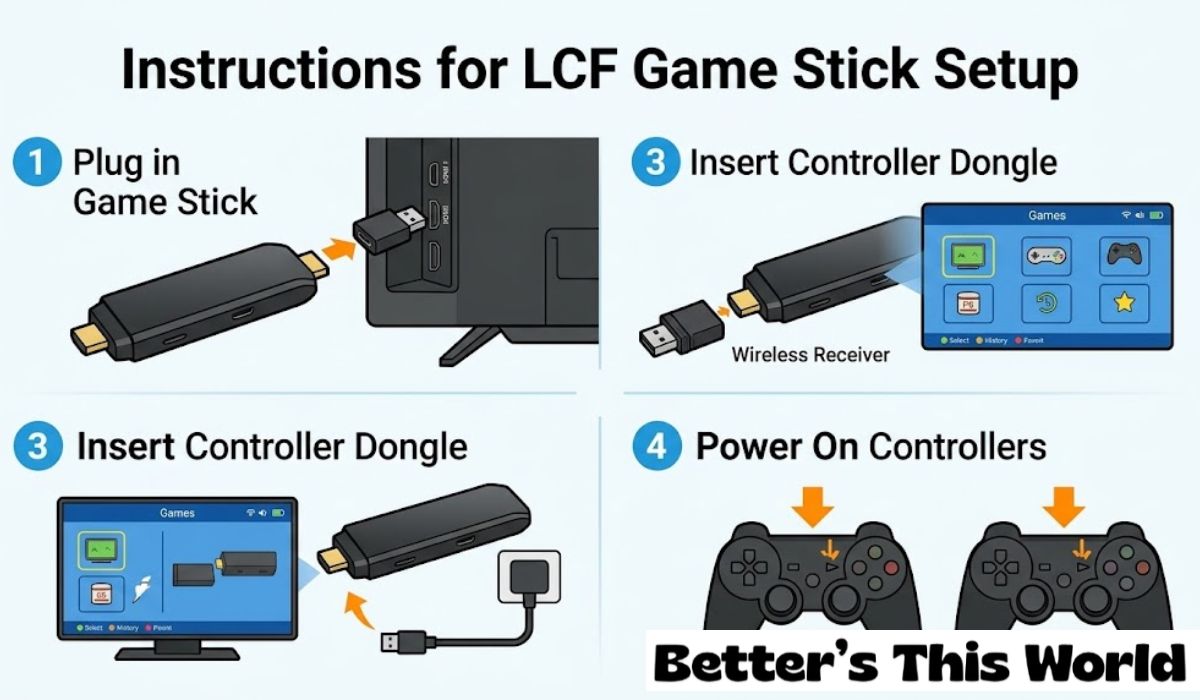
Retro gaming has seen a massive resurgence, allowing players to revisit the classics that defined their childhoods. Central to this experience is having a clear set of instructions for lcfgamestick to ensure the hardware is configured correctly for modern displays. This compact device packs thousands of titles into a small form factor, but the initial synchronization between the hardware, the wireless controllers, and the television requires a specific sequence of actions. Setting up this system is designed to be user-friendly, yet many enthusiasts overlook the technical nuances that ensure a lag-free and visually crisp experience on high-definition screens.
As you unbox the components, you will find the main console unit, a power cable, and the necessary peripherals to begin your journey. Following the instructions for lcfgamestick carefully will prevent common issues such as signal drops or controller latency. The goal of this guide is to provide a comprehensive roadmap from the moment you plug the device into your HDMI port to the second you start your first high-score run. By understanding the underlying architecture of the emulation software and the physical requirements of the hardware, you can transform any standard television into a versatile arcade machine.
Unboxing and Physical Component Overview
Before diving into the software side of things, it is essential to identify every piece of hardware included in your package. Typically, the kit consists of the HDMI dongle itself, a USB power cable, a small signal receiver for the controllers, and the gamepads. Inspecting these items for any physical damage during shipping is a vital first step. The dongle is designed to fit directly into an available HDMI slot on your television or monitor. If your TV is mounted close to a wall, you may need an extension cable to ensure the device is not bent or strained, which could lead to overheating or connection failures over time.
The wireless controllers usually require standard batteries, often AAA or AA, which are typically not included in the retail box. Ensuring you have fresh, high-quality batteries is crucial for maintaining a stable 2.4GHz connection between the gamepad and the console. Once the batteries are installed, locate the small USB receiver. This component is the bridge between your inputs and the screen. It must be plugged into the USB port located on the side of the main stick. Without this receiver properly seated, the console will boot into the menu, but you will find yourself unable to navigate or select any games.
Establishing a Stable Power Connection
One of the most frequent mistakes users make is attempting to power the device solely through the television’s built-in USB port. While some modern TVs provide enough amperage, many older models do not deliver the consistent five volts required for stable emulation. If the device receives insufficient power, you might experience random restarts, freezing during intense gameplay, or a failure to load certain high-demand titles. To avoid these frustrations, it is highly recommended to use a dedicated wall adapter. This ensures a steady flow of electricity, allowing the internal processor to maintain peak performance during long gaming sessions.
Once the USB power cable is connected to the stick and the power source, look for a small indicator light on the device. This LED signifies that the unit is receiving power and is initiating the boot sequence. If the light does not appear, double-check the cable seating at both ends. It is also wise to keep the power cable away from other high-voltage wires to minimize electromagnetic interference, which can occasionally affect the clarity of the video signal. Proper power management is the foundation of a reliable retro gaming setup, ensuring that your progress is never lost due to a sudden hardware shutdown.
Initial Configuration and Language Settings
When you first power on the system, the boot screen will lead you to a main menu. Depending on the factory settings, the interface might default to a language other than your primary tongue. Navigating the settings menu to find the language toggle is the first priority. Usually, this is represented by a gear icon or a globe symbol. Once you enter the system settings, look for the “Language” or “System Info” tab. Selecting your preferred language will immediately update all menu items, game descriptions, and system prompts, making the rest of the configuration process much more straightforward.
After the language is set, you should take a moment to calibrate the screen scaling. Modern televisions often use “overscan,” which can cut off the edges of the game screen, hiding important information like health bars or score counters. Within the display settings of the console, you can often find a “Screen Fit” or “Scaling” option. Adjust these parameters until the entire rectangular border of the interface is visible on your monitor. This ensures that the aspect ratio remains faithful to the original arcade or console experience, preventing the image from appearing stretched or distorted on a widescreen display.
Syncing Wireless Controllers for Gameplay
The magic of this system lies in the freedom of wireless play, but this requires a successful handshake between the controllers and the USB receiver. After inserting the batteries and turning the power switch on the controller to the “On” position, a light on the gamepad should begin to blink. This indicates it is searching for the receiver. Within a few seconds, the light should turn solid, confirming a successful link. If the controller fails to sync, try unplugging the USB receiver and re-inserting it while the controller is powered on. This often forces a refresh of the connection.
If you are setting up two controllers for multiplayer action, the system is designed to assign them as “Player 1” and “Player 2” automatically based on the order in which they are turned on. The first controller to establish a link will typically hold the primary navigation rights for the main menu. It is important to stay within a reasonable range of the console—usually within ten to fifteen feet—to avoid input lag. Obstacles like cabinets or other electronic devices can sometimes block the signal, so keeping a clear line of sight between the gamepad and the USB receiver will result in the most responsive gaming experience possible.
Navigating the Game Library and Emulators
The interface is organized into various categories, often separated by the original console manufacturer or the genre of the game. Using the directional pad, you can scroll through thousands of titles. Most systems include a search function or a “favorites” list, which is incredibly useful given the sheer volume of content available. To add a game to your favorites, there is usually a specific button command, such as a long press of a face button or a shoulder trigger. This allows you to curate a smaller list of your most-played classics, saving you from scrolling through the entire directory every time.
Understanding how to exit a game is just as important as knowing how to start one. In most instances, pressing the “Start” and “Select” buttons simultaneously will bring up a secondary menu. From this menu, you can save your current progress, load a previous save state, or exit back to the main library. Save states are a modern convenience that allow you to pause a game at any exact moment, which is a significant upgrade over the original hardware’s limited or non-existent saving capabilities. Familiarizing yourself with these button combinations will make your transition between different titles smooth and effortless.
Troubleshooting Common Technical Hurdles
Even with a perfect setup, you might occasionally encounter a black screen or a lack of audio. The first step in troubleshooting is always to verify the physical connections. A loose HDMI plug is the most common culprit for signal loss. If the video is working but there is no sound, check your television’s audio settings to ensure it is set to receive sound via HDMI. Sometimes, toggling the “Game Mode” on your TV can also resolve display issues and significantly reduce the delay between your button presses and the action appearing on the screen.
If the system seems to lag during specific games, it may be due to the emulation requirements of that particular title. While most 8-bit and 16-bit games run flawlessly, some 3D titles from later eras might push the hardware to its limits. In these cases, ensuring the device has plenty of ventilation can help, as heat can sometimes throttle the processor’s speed. If the controllers become unresponsive, replacing the batteries is the first logical step, even if they seem relatively new. Low voltage can cause the wireless chip to malfunction long before the buttons themselves stop working entirely.
Optimizing the Visual and Audio Experience
To get the most out of your retro gaming sessions, you might want to explore the advanced display filters often tucked away in the settings. Many enthusiasts prefer a “Scanline” filter, which mimics the look of old-fashioned cathode-ray tube (CRT) televisions. This can make the pixel art look more authentic and hide some of the harshness of upscaling low-resolution graphics to a 4K or 1080p screen. Additionally, you may find options for “Integer Scaling,” which keeps the pixels perfectly square, providing the sharpest possible image at the cost of some black bars on the sides of the screen.
On the audio front, some systems allow you to adjust the output frequency or toggle between stereo and mono sounds. Since these games were originally designed for very different speaker setups, experimenting with your TV’s “Movie” or “Music” modes can sometimes enhance the chiptune soundtracks. Always remember that the goal is personal enjoyment; there is no single “correct” way to view these games. Whether you prefer a crisp, modern digital look or a nostalgic, fuzzy glow, taking the time to tweak these settings ensures that the hardware performs exactly how you want it to for years to come.
Key Specifications and Controls
| Component | Description | Function |
| HDMI Connector | Male HDMI Interface | Plugs into TV for Video/Audio |
| Power Port | Micro USB / USB-C | Provides 5V/1A or 2A Power |
| USB Receiver | 2.4GHz Wireless Dongle | Connects Controllers to Stick |
| Micro SD Slot | External Memory Card | Stores Game ROMs and OS |
| Controller | Wireless Gamepad | Primary Input Device |
FAQs
How do I add more games to the device?
To add titles, you must remove the Micro SD card and connect it to a computer. Locate the “ROMs” folder and place your compatible files into the corresponding console subfolders. Always back up the original files before making changes.
Why are the games running in slow motion?
This usually indicates a power supply issue. Ensure you are using a wall plug adapter rather than a USB port on the TV. If the problem persists, the specific game might be too demanding for the internal processor.
Can I use a wired controller with this system?
Most versions of this hardware are designed specifically for the included wireless receivers. While some USB controllers might work, compatibility is not guaranteed, and the wireless experience is the intended method of play.
How do I save my game progress?
Press Start and Select at the same time during gameplay to open the emulator menu. Choose “Save State” to record your progress. You can use “Load State” later to return to that exact spot.
Conclusion
Successfully following the instructions for lcfgamestick ensures that your journey into the past is as smooth and enjoyable as possible. While the device is small, it represents a complex marriage of hardware and software designed to bring decades of gaming history into your living room. By taking the time to verify your power source, secure your physical connections, and understand the nuances of the menu system, you eliminate the technical barriers that often hinder the retro experience. This allows the focus to remain where it belongs: on the gameplay and the nostalgia of the titles themselves.
Maintenance is also a key factor in longevity. Keeping the device in a well-ventilated area and occasionally checking for software updates or SD card integrity will keep the system running for years. The versatility of this stick, from its portability to its vast library, makes it a premier choice for both casual players and dedicated collectors. As you become more familiar with the button combinations and save state features, you will find that these modern conveniences breathe new life into difficult classics. Enjoy the vast world of retro gaming, and may your high scores always be remembered.

How to Know When Your Roof Needs Replacement
Understanding IPTV Subscriptions for Arabic Entertainment and Streaming
Understanding Personal Injury Claims After an Accident

Key Benefits of Residential Elevators in Modern Homes
The Growing Role of IPTV in Modern Television
The Evolution of University Printing in the Digital Age

How to Reduce Snoring and Sleep Better Every Night

How Physical Therapy Relieves Pelvic Pain

FintechZoom.com: A Smart Resource for Financial News, Investment Education

How to Defend Drug Crime Charges

Tips for Sourcing Bedding Fabrics

Why British Property Investors Are Leveraging U.S. Real Estate Instead of Cashing Out

Guide to Choosing Industrial Portable Radios

Tips for Protecting Your Rights After an Accident

Why Sophisticated Global Investors Are Using Leverage Instead of Cash in U.S. Real Estate

Tips for Choosing Packaging Bags

Tips for Choosing Between Blinds and Shades

Building a Future, Not Just Buying a Home: Why Melbourne Families Are Choosing Smarter Communities

Why Palm Jumeirah Continues to Define the Future of Ultra-Prime Living in Dubai

How to Shop Smart During Festive Sales Without Compromising on Style?

How Child Custody Decisions Are Made In Boston

Streamlining Payroll Processes for Small Teams

The Future of Waterfront Luxury: Why Hudayriyat Island is Abu Dhabi’s Premier Investment Hub

Why Expanding Game Libraries Is Important for Digital Casinos

Identifying 3463215186: A Guide to Numeric Security

Incestfl8x: System Update and Performance Framework

белочкш: Meaning, Context, and Its Role in Digital Expression

BetterThisWorldcom: A Comprehensive Guide to Personal Growth

Stocks BetterThisWorld: Learn Investing With Calm Focus And Purpose

Betterthisfacts Tips from Betterthisworld: Practical Guide to Smarter Living and Everyday Success

Betterthisfacts Tips by Betterthisworld: Practical Insights for Smarter Daily Living

ABCBetting AG New Site: Official Access and Platform Guide

Money BetterThisWorld: Financial Growth Mindful Living and Personal Empowerment

BetterThisWorld.com Your Source for Motivation Money Guidance Tech Insights and Modern Living

Irobux Login: Accessing Features & Account Security Tips

Charutbaye: Exploring Cultural Significance and Heritage

Sryzvduebbcylzk: Meaning, Structure, and Digital Use Explained

Guide to Understanding the Error 8379xnbs8e02328ws Code

BTWradiovent event by BetterThisWorld

Why Eurothits Is Gaining Attention in Today’s Digital Environment

BetterThisWorld Stocks | Sustainable Market Growth 2026

BetterThisWorld Business: Redefining Impact in the Modern Era

Python 54axhg5: Programming Guide for Modern Development

Blog ThriftyEventsNet: Smart Guide to Budget Friendly Events and Planning

Betterthisworld.com Success: Modern Roadmap to Growth & Achievement

Gaming Vivid2201 Patches: Updates Improvements and Player Experience

Betterthisworld Business: Guide to Smart Growth and Modern Success

The Endless Barrel Roll Challenge: Exploring the Internet’s Wildest Gaming Stunt

Better ThisWorld.com: Exploring Purpose Driven Digital Content