Law
How Child Custody Decisions Are Made In Boston

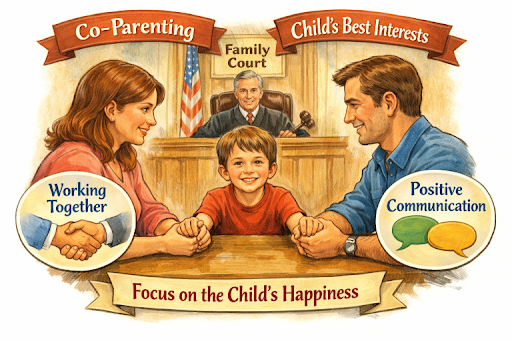
Key Takeaways
- Massachusetts courts always prioritize the best interests of the child in custody decisions.
- Several types of custody can be awarded, including legal and physical custody.
- Both parents are encouraged to create a parenting plan, but the court may step in if necessary.
- Factors like each parent’s fitness, the child’s needs, and evidence of domestic violence play a major role.
- Modification of custody orders is possible when significant changes occur.
Overview of Child Custody in Boston
Child custody decisions in Boston, and throughout Massachusetts, are shaped by a primary objective: protecting the best interests of the child. Family courts evaluate the unique circumstances of each family, examining all relevant factors to reach a decision that supports a child’s emotional, physical, and educational needs. This process does not automatically favor one parent over the other. Instead, both mothers and fathers begin with equal standing before the court. For parents navigating this complex area of family law, obtaining advice from local experts can offer critical guidance. Legal Custody Help in Boston is available for those needing support or a deeper understanding of their options.
Custody matters in Boston are considered on a case-by-case basis. Children adjust best when stability and strong relationships with both parents are preserved whenever possible. Mediation and negotiation are often encouraged to minimize conflict, keeping the child’s well-being at the forefront of the process. Parents should approach custody proceedings prepared to work collaboratively or, if necessary, present their case effectively to a judge.
Factors such as each parent’s living situation, work schedule, and willingness to facilitate ongoing contact with the other parent are closely examined. Courts also take the child’s wishes into account, especially as children grow older. Maintaining a cooperative spirit and focusing discussions on the child rather than past relationship issues is essential for successful outcomes.
Boston courts uphold the rights of both parents to be involved in their children’s lives unless evidence suggests that such involvement would not serve the child’s best interests. Parents need to document efforts to co-parent positively and to seek legal guidance early in the process if needed.
Massachusetts law recognizes several forms of child custody. The two primary categories are legal custody and physical custody. Legal custody grants a parent the right to make important decisions about the child’s upbringing, such as choices regarding education, healthcare, and religion. Physical custody, on the other hand, determines where the child will live daily.
Both legal and physical custody can be either sole (granted to one parent) or shared (jointly held by both parents). Courts generally prefer joint legal custody to encourage parental involvement in major decisions, unless there is evidence of domestic violence or another risk factor. Parenting plans, outlining schedules for holidays, school vacations, and day-to-day care, are frequently approved and enforceable by the court.
The Court Process for Child Custody Decisions
The process of determining child custody in Boston usually begins when one parent files a complaint or petition with the probate and family court. The court may order mediation to help parents reach an agreement before proceeding to litigation. If mediation is unsuccessful or if safety issues are present, a judge will hold hearings to review the circumstances. During these hearings, evidence such as witness statements, school records, and expert testimony may be considered.
If parents agree on a custody arrangement and submit a parenting plan, the court will typically approve it if it meets the child’s best interests. If no agreement can be reached, the judge will issue an order based on all available evidence and statutory guidelines.
Key Factors Considered by Boston Courts
Massachusetts courts use a broad set of factors to determine which custody arrangement will best serve the child. These include:
- The child’s age, health, and emotional development.
- The parents’ abilities to provide a stable environment and meet daily needs.
- The level of each parent’s involvement in the child’s education, extracurricular activities, and healthcare.
- The relationship between the child and each parent, as well as siblings and household members.
- The history of domestic violence or substance abuse, if any.
- The preference of the child, particularly for children who are older or deemed mature enough to express an informed opinion.
Judges have discretion to weigh these factors as appropriate for each particular family. If needed, court-appointed guardians ad litem or other evaluators may be asked to gather information and provide recommendations.
For a deeper understanding of how these factors are applied, parents can review guidelines provided by the Massachusetts Probate and Family Court, which regularly updates its rules and procedures.
The Importance of Parenting Plans
Parenting plans are a cornerstone of effective co-parenting after separation. In Boston, courts encourage parents to cooperate in drafting detailed plans that establish clear routines and responsibilities for both parties. A thorough parenting plan creates predictability for the child and reduces potential conflicts.
Such agreements typically address daily schedules, holiday arrangements, vacations, transportation, and guidelines for making important decisions together. If parents cannot develop a plan on their own, the court may intervene to establish terms that align with the child’s best interests.
Custody Order Modifications
If substantial changes occur after a custody order is in place, either parent can request a modification. Examples include relocation, significant changes in a parent’s living situation, or evidence of harm to the child. The petitioning parent must demonstrate that the modification is necessary to protect the child’s best interests. Courts will carefully review all new evidence before making adjustments to an existing order.
Parents are advised to act promptly if their family circumstances change, as delayed action could lead to unintended consequences or disputes.
Additional Resources
Additional information and guidance on child custody decisions in Massachusetts can be found at the Child Welfare Information Gateway. This comprehensive resource covers laws, court guidance, and frequently asked questions to support parents during child custody proceedings.
Conclusion
Child custody decisions in Boston revolve around one guiding principle: the best interests of the child. By understanding local legal standards, working toward cooperative parenting solutions, and remaining flexible in the face of change, parents can ensure that their child thrives in the aftermath of separation or divorce. Guidance from family law professionals is recommended for those facing complex circumstances or disputes. Communication, respect, and a child-centered approach remain at the heart of healthy co-parenting and fair custody outcomes in Massachusetts.
An unexpected accident can have a lasting effect on a person’s health, finances, work, and daily life. Whether the incident involves a vehicle collision, unsafe property, defective product, or another form of negligence, an injured person may face medical bills and other challenges while trying to recover.
Understanding the basic elements of a personal injury claim can make the legal process easier to understand. While every case is different, certain factors commonly play an important role in determining whether someone may have grounds for compensation.
What Is a Personal Injury Claim?
A personal injury claim is generally a legal action involving physical, emotional, or financial harm caused by another person’s negligence or wrongful conduct. The purpose may be to seek compensation for losses connected to the incident.
Negligence can occur when someone fails to act with reasonable care. For example, a distracted driver may cause a collision, while a property owner may be responsible for failing to address a dangerous condition that could reasonably cause an injury.
Personal injury cases can involve car accidents, truck crashes, motorcycle accidents, pedestrian incidents, slip and fall accidents, defective products, medical negligence, and wrongful death claims.
The circumstances of the incident are important because simply being injured does not automatically mean another party is legally responsible.
Common Causes of Personal Injury
Motor vehicle accidents are among the most common causes of personal injuries. Drivers who speed, drive while distracted, operate vehicles under the influence, or ignore traffic laws can create dangerous conditions for others.
Commercial truck accidents may be more complicated because several parties could potentially be involved. Depending on the facts, responsibility may involve a truck driver, trucking company, vehicle owner, maintenance provider, or another party.
People can also suffer serious injuries while walking or riding bicycles and motorcycles. Because these individuals have less physical protection than people inside vehicles, collisions can result in significant harm.
Outside of traffic accidents, personal injury claims may involve unsafe premises, dangerous products, animal attacks, medical errors, or other forms of negligence.
Why Evidence Is Important
Evidence can play a major role in establishing what happened during an accident. Important information may include photographs, videos, accident reports, medical records, witness details, employment records, and other documents.
For example, photographs taken shortly after an accident may show vehicle damage, road conditions, or a hazardous property condition. Witnesses may also provide valuable information about how an incident occurred.
Medical records are particularly important because they can document injuries, treatment, medications, rehabilitation, and future medical needs.
Collecting relevant information early can be useful because physical evidence can disappear and memories can become less reliable over time.
Medical Treatment and Recovery
After an accident, obtaining appropriate medical attention should be a priority. Some injuries are immediately noticeable, while others may become more apparent after several hours or days.
Medical professionals can evaluate symptoms and determine whether further treatment is necessary. Medical records can also provide documentation of the connection between an accident and the resulting injuries.
Following medical recommendations can help support recovery while creating a clearer record of the treatment required. If symptoms change or new problems develop, communicating those changes to a healthcare provider is important.
The cost of medical treatment can become a significant part of an injury claim, particularly when an injury requires ongoing care.
Financial Effects of an Injury
The financial consequences of an accident can extend beyond hospital bills. An injured person may need medication, physical therapy, follow-up appointments, medical equipment, or future treatment.
Missing work can create another financial burden. Someone recovering from a serious injury may lose wages or may have difficulty returning to the same type of employment.
Depending on the circumstances, compensation in a personal injury case may involve medical expenses, lost income, property damage, and other losses. The potential value of a claim depends on its individual facts and available evidence.
Keeping records of accident-related expenses can help create a clearer picture of the financial impact.
Pain and Quality of Life
Not every consequence of an injury can be measured through bills or receipts. Serious injuries can affect a person’s ability to participate in normal activities, spend time with family, exercise, work, or enjoy hobbies.
Physical pain and emotional distress can also influence everyday life. Someone who experiences a permanent injury may need to adjust their lifestyle or depend on others for assistance.
In appropriate cases, non-economic losses may be considered when determining potential compensation. The extent of these effects can vary significantly from one person to another.
Dealing With Insurance Companies
Insurance companies often become involved after accidents. An insurer may investigate the incident, review medical information, determine responsibility, and evaluate a potential settlement.
People should remember that insurance companies have their own interests when reviewing claims. An initial offer may not necessarily represent the full extent of an injured person’s losses.
Statements, documents, and other information provided during the claims process can also influence how an insurer evaluates a case. This is one reason why people with complicated or serious injuries may benefit from understanding their legal rights before making important decisions.
Choosing an Experienced Attorney
A personal injury attorney can help an injured person understand the legal aspects of a claim. An attorney may review evidence, communicate with insurance companies, evaluate damages, and explain potential options.
For people looking for a personal injury attorney in Alpharetta, GA, The Holliday Firm provides legal services involving personal injury matters in Georgia. The firm’s practice includes cases involving automobile accidents, truck accidents, motorcycle accidents, premises liability, defective products, medical malpractice, and other injury-related claims.
Choosing legal representation is an important decision. Individuals may consider an attorney’s experience, communication style, understanding of applicable laws, and familiarity with cases similar to their own.
Settlement and Litigation
Not every personal injury claim ends up in court. Many disputes are resolved through negotiations between the parties and their insurance representatives.
A settlement can provide a resolution without requiring a full trial. However, the appropriate decision depends on the facts of the individual case.
If the parties cannot agree on liability or compensation, litigation may become necessary. A properly prepared case can help support either negotiation or court proceedings.
The strength of the evidence, severity of injuries, financial losses, and applicable law can all influence how a claim develops.
Legal Deadlines Matter
Personal injury claims can be subject to legal deadlines. These deadlines vary depending on the type of claim and the circumstances involved.
Waiting too long can make it more difficult to pursue compensation and may affect a person’s legal rights. Evidence can also become harder to locate as time passes.
Anyone who believes another party may be responsible for an injury should consider learning about applicable legal deadlines as early as possible.
Moving Forward After an Accident
Recovering from an accident can be challenging, particularly when medical treatment, financial concerns, and insurance communications occur at the same time.
Understanding the basic parts of a personal injury claim can provide a clearer view of what may be involved. Evidence, medical records, financial losses, liability, insurance coverage, and legal deadlines can all affect the process.
For individuals dealing with a serious injury in Alpharetta or elsewhere in Georgia, professional guidance may help clarify their options. The Holliday Firm serves clients dealing with personal injury and related legal matters.
Ultimately, every injury case is unique. The best approach depends on the specific circumstances, available evidence, applicable law, and extent of the losses involved. Understanding these factors can help injured individuals make informed decisions while focusing on their recovery.

Being arrested for DUI is one of those experiences where everything is loud, confusing, and just plain weirdly fast all at once. Lights in the mirror. Questions you don’t fully process. Paperwork handed to you when your brain is still catching up. Most people walk away from that night thinking one thing:
“Okay… I have a court date. I’ll deal with it then.”
But here’s the part almost nobody expects — your case doesn’t move on just one path. It splits immediately into two separate processes that don’t wait for each other, don’t answer to each other, and can both seriously impact your life.
Attorneys at FrizWoods LLC often say the shock isn’t the arrest itself — it’s realizing how much starts happening afterward without you fully understanding it.
Track #1: The License Side (Administrative Process)
This part kicks in almost instantly, sometimes before you’ve even had time to sleep off the stress.
It’s handled by the Motor Vehicle Administration (MVA), not the criminal court. And it focuses on one thing only:
👉 Your right to drive
Not guilt. Not innocence. Just whether you keep your license.
What triggers this process?
Usually one of the following:
- A breath test over the legal limit
- Refusing a chemical test
- Certain DUI-related charges
- Prior violations on record
Once triggered, the MVA can move to suspend your license automatically unless you act quickly.
A knowledgeable severna park dui lawyer will often say this is the most urgent part — because deadlines here are short and unforgiving.
Why people miss this step
Honestly? Because no one explains it clearly.
After an arrest, you’re worried about:
- Work finding out
- Family reactions
- Bail conditions
- Court dates
License paperwork feels like background noise. But ignoring it can mean losing driving privileges before your criminal case even begins.
Track #2: The Criminal Case
This is the part everyone expects — the courtroom process.
Here, the focus shifts to legal questions such as:
- Was the traffic stop lawful?
- Were sobriety tests administered correctly?
- Was the breath device calibrated properly?
- Is the evidence strong enough to convict?
An experienced anne arundel dui lawyer digs into these details, often line by line, report by report.
Unlike the administrative track, this process can take months — sometimes longer — to resolve.
The Strange Part: The Two Tracks Don’t Depend on Each Other
This is where things get confusing.
You might assume:
“If I win in court, everything goes away.”
Not necessarily.
Because:
- You can lose your license even without a conviction
- You can resolve the criminal case but still face administrative penalties
- One process may finish long before the other
An annapolis dui lawyer will usually explain that you’re essentially fighting two battles at once — even though they come from the same incident.
Those First Few Days Matter More Than You Think
Right after an arrest, most people go into survival mode. Sleep, work, damage control. Legal strategy feels like something for later.
But early decisions quietly shape everything.
For example:
- Whether you request an MVA hearing on time
- What you say to officers or investigators
- How you handle paperwork
- Whether you seek legal advice immediately
A delay of even a week can limit your options.
A seasoned glen burnie dui lawyer will tell you: the timeline doesn’t pause just because you’re overwhelmed.
Chemical Test Decisions Echo Through Both Tracks
There is one aspect of a DUI arrest that has long-term implications: whether or not to submit to a breath or blood test.
This is a decision that people are forced to make under duress, confusion, or a lack of information.
But that decision affects:
- Administrative penalties
- Evidence available in court
- Potential defenses
- License suspension length
There’s no universally “perfect” choice — only consequences that play out differently in each track.
That’s why talking to a severna park dui lawyer early can help you understand how that single moment fits into the bigger picture.
Real-Life Consequences Start Before Court
One of the hardest parts for many drivers is that life disruptions begin long before any verdict.
Loss of driving privileges can affect:
- Commuting to work
- Taking children to school
- Medical appointments
- Family responsibilities
- Job security
At the same time, the criminal trial is still pending.
This is where an anne arundel dui lawyer is often working not only to defend a charge but to reduce the disruption to everyday life.
Because for most people, the practical impact hurts before the legal outcome arrives.
Local Knowledge Isn’t Just a Bonus — It Matters
Different courts operate with different expectations. Judges vary. Prosecutors vary. Even administrative hearing styles can differ.
A lawyer familiar with local procedures — whether an annapolis dui lawyer or glen burnie dui lawyer — understands:
- How cases typically move through that system
- What documentation is crucial
- What negotiation approaches work best
- What alternatives may be available
This isn’t about favoritism. It’s about experience with the environment.
Why Waiting Makes Everything Harder
Many people delay hiring an attorney because they assume:
“I’ll just see what happens first.”
But by the time the first court date arrives:
- Administrative deadlines may have passed
- Evidence collection opportunities may be gone
- Strategic options may be limited
The Emotional Side No One Talks About
Beyond legal consequences, the two-track system creates ongoing stress.
You’re not just dealing with one unknown, you’re dealing with two timelines, two sets of rules, two possible outcomes.
Individuals will talk about feeling like they can’t move forward because something is always pending:
- Waiting on hearing results
- Waiting on court dates
- Waiting on paperwork
- Waiting on decisions that affect daily life
Good legal guidance doesn’t erase stress, but it replaces confusion with clarity — which helps more than you might expect.
So Why Does the System Work This Way?
In simple terms, the administrative side is about public safety and licensing authority. The criminal side is about legal accountability.
They have different purposes, which is why they’re separate and independent.
But for those in the middle, that’s not really a distinction that makes a difference in the experience.
Final Thoughts
A DUI arrest isn’t just one case heading toward one courtroom decision. It is two processes that are happening simultaneously, one impacting your driving privileges and the other your criminal culpability.
It is important to grasp this early on to avoid mistakes, missed deadlines, and unnecessary pain.
Because in DUI cases, what you don’t know can be just as important as what actually happened that night.

How to Know When Your Roof Needs Replacement
Understanding IPTV Subscriptions for Arabic Entertainment and Streaming
Understanding Personal Injury Claims After an Accident

Key Benefits of Residential Elevators in Modern Homes
The Growing Role of IPTV in Modern Television
The Evolution of University Printing in the Digital Age

How to Reduce Snoring and Sleep Better Every Night

How Physical Therapy Relieves Pelvic Pain

FintechZoom.com: A Smart Resource for Financial News, Investment Education

How to Defend Drug Crime Charges

Tips for Sourcing Bedding Fabrics

Why British Property Investors Are Leveraging U.S. Real Estate Instead of Cashing Out

Guide to Choosing Industrial Portable Radios

Tips for Protecting Your Rights After an Accident

Why Sophisticated Global Investors Are Using Leverage Instead of Cash in U.S. Real Estate

Tips for Choosing Packaging Bags

Tips for Choosing Between Blinds and Shades

Building a Future, Not Just Buying a Home: Why Melbourne Families Are Choosing Smarter Communities

Why Palm Jumeirah Continues to Define the Future of Ultra-Prime Living in Dubai

How to Shop Smart During Festive Sales Without Compromising on Style?

How Child Custody Decisions Are Made In Boston

Streamlining Payroll Processes for Small Teams

The Future of Waterfront Luxury: Why Hudayriyat Island is Abu Dhabi’s Premier Investment Hub

Why Expanding Game Libraries Is Important for Digital Casinos

Identifying 3463215186: A Guide to Numeric Security

Incestfl8x: System Update and Performance Framework

белочкш: Meaning, Context, and Its Role in Digital Expression

BetterThisWorldcom: A Comprehensive Guide to Personal Growth

Stocks BetterThisWorld: Learn Investing With Calm Focus And Purpose

Betterthisfacts Tips from Betterthisworld: Practical Guide to Smarter Living and Everyday Success

Betterthisfacts Tips by Betterthisworld: Practical Insights for Smarter Daily Living

ABCBetting AG New Site: Official Access and Platform Guide

Money BetterThisWorld: Financial Growth Mindful Living and Personal Empowerment

BetterThisWorld.com Your Source for Motivation Money Guidance Tech Insights and Modern Living

Irobux Login: Accessing Features & Account Security Tips

Charutbaye: Exploring Cultural Significance and Heritage

Sryzvduebbcylzk: Meaning, Structure, and Digital Use Explained

Guide to Understanding the Error 8379xnbs8e02328ws Code

BTWradiovent event by BetterThisWorld

Why Eurothits Is Gaining Attention in Today’s Digital Environment

BetterThisWorld Stocks | Sustainable Market Growth 2026

BetterThisWorld Business: Redefining Impact in the Modern Era

Python 54axhg5: Programming Guide for Modern Development

Blog ThriftyEventsNet: Smart Guide to Budget Friendly Events and Planning

Betterthisworld.com Success: Modern Roadmap to Growth & Achievement

Gaming Vivid2201 Patches: Updates Improvements and Player Experience

Betterthisworld Business: Guide to Smart Growth and Modern Success

The Endless Barrel Roll Challenge: Exploring the Internet’s Wildest Gaming Stunt

Better ThisWorld.com: Exploring Purpose Driven Digital Content